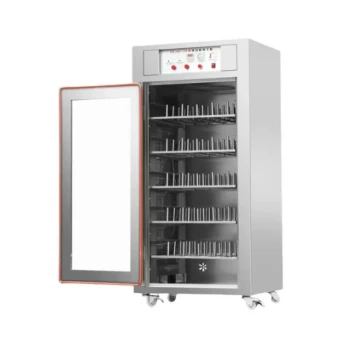
Forced circulation drying ovens sterilize beekeeping tools through the process of oxidation. By circulating dry hot air at temperatures ranging from 110°C to 150°C, these ovens physically destroy the cellular components of microbes residing on your equipment. This method is specifically designed for metal tools, offering a chemical-free sterilization solution that keeps equipment dry.
These ovens provide a reliable, physical disinfection method by exposing tools to controlled dry heat for 30 minutes. The process eliminates microbial threats through oxidation, making it indispensable for metal equipment where moisture and chemical residues must be avoided.
The Mechanism of Sterilization
Destruction via Oxidation
The core principle behind this technology is oxidation. Unlike steam sterilization (autoclaving), which uses moist heat to coagulate proteins, dry heat ovens transfer thermal energy to the microorganisms.
This intense heat causes the oxidation of cellular constituents. This process effectively burns up the microbial cell structures, rendering the pathogens inert and unable to reproduce or harm the hive.
The Role of Circulating Air
The "forced circulation" aspect is critical to the oven's efficiency. The system actively moves hot air around the chamber.
This ensures that the heat is distributed evenly across all surfaces of the tools. It prevents cold spots where bacteria might survive, guaranteeing that every inch of your equipment reaches the target temperature.
Operational Parameters
Critical Temperature Range
To achieve sterilization, the oven must operate within a specific temperature window. The effective range for this equipment is 110°C to 150°C.
Operating below this range may result in incomplete disinfection. Operating significantly above it may risk damaging the temper of certain metals or consuming unnecessary energy.
Required Duration
Heat alone is not enough; duration is equally important. The tools must be exposed to the target temperature for a specific period to ensure total microbial destruction.
The standard protocol requires a simplified cycle of 30 minutes at the operational temperature. This duration provides a sufficient safety margin to ensure the oxidation process is complete.
Understanding the Limitations
While effective, hot air ovens are not a universal solution for all beekeeping equipment. You must understand the physical constraints of dry heat.
Material Restrictions
This method is strictly ideal for metal beekeeping tools. Hive tools, scrapers, and metal excluders are excellent candidates.
However, you cannot use this method for wax combs, plastic frames, or wooden ware with heat-sensitive finishes. Temperatures of 110°C+ will melt wax and plastic instantly, destroying the equipment.
Dry Heat Requirement
These ovens are designed to keep tools dry. They function as "physical disinfection equipment" meant for items that should not be exposed to the moisture of an autoclave.
This means the tools do not need a drying cycle after sterilization. However, it also means this method does not penetrate porous materials as effectively as steam.
Making the Right Choice for Your Apiary
To effectively integrate forced circulation ovens into your sanitation protocol, categorize your equipment based on material composition.
- If your primary focus is Metal Tools: Use this oven for 30 minutes at 110°C-150°C to ensure complete sterilization without rust-promoting moisture.
- If your primary focus is Chemical Safety: Rely on this method to eliminate the risk of introducing chemical residues into the hive, protecting your bees' health.
By strictly adhering to the temperature and time guidelines, you ensure a sterile environment for your colonies using nothing but clean, dry heat.
Summary Table:
| Feature | Specification |
|---|---|
| Sterilization Method | Dry Heat Oxidation |
| Operating Temperature | 110°C to 150°C |
| Standard Cycle Duration | 30 Minutes |
| Ideal Materials | Stainless steel hive tools, scrapers, and metal excluders |
| Key Benefit | Chemical-free, moisture-free physical disinfection |
Elevate Your Apiary Sanitation with HONESTBEE
Maintaining a pathogen-free environment is critical for commercial apiary success. HONESTBEE provides professional-grade sterilization solutions and a full spectrum of beekeeping machinery tailored for distributors and large-scale operations. From advanced forced circulation ovens to honey-filling machines and essential consumables, our equipment ensures your tools remain sterile without chemical residues.
Ready to scale your beekeeping business with reliable hardware? Contact our wholesale experts today to find the right equipment for your needs.
References
- Mirjana Bojanić Rašović. THE MOST IMPORTANT METHODS OF DISINFECTION IN BEEKEEPING. DOI: 10.17707/agricultforest.67.3.14
This article is also based on technical information from HonestBee Knowledge Base .
Related Products
- HONESTBEE Professional Cabinet Bottle Dryer
- Economy Small Scale Honey Dryer Dehumidifier Thickening Machine
- Solar Beeswax Melter Easy Solar Wax Melter for Beeswax
- 0.5T Capacity Honey Dehumidifier Dryer with Vacuum Heating and Thickening Filtering Machine
- High Quality Honey Dehumidifier Dryer Thickening Machine for Beekeeping
People Also Ask
- Why use a Cabinet Drier for pollen at 38–41°С? Protect Sample Integrity and Heavy Metal Data Accuracy
- What is the role of an industrial forced-air drying oven in bee bread fermentation? Optimize Moisture and Nutrients
- What is the primary purpose of a constant temperature drying oven in bee bread production? Achieve Perfect Fermentation
- What are the technical requirements for using a constant temperature drying oven for raw propolis? Expert Guide
- How do professional-grade Pollen Drying Ovens preserve active ingredients? Ensure Bioactive Potency with Precision