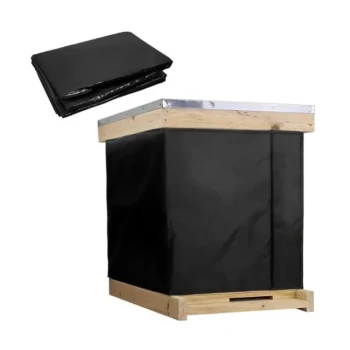
High-insulation foam beehives leverage superior thermal properties to decouple the colony's internal environment from external weather extremes. By maintaining a stable internal temperature, these hives significantly reduce the metabolic energy bees must expend on heating or cooling, directly translating into lower feed consumption and higher productivity.
The core advantage of high-insulation hives is energy conservation. By reducing the caloric "tax" of thermoregulation, colonies can redirect resources from mere survival to rapid brood expansion and honey production.
The Energy Economy of the Colony
Reducing Metabolic Costs
Honey bees generate heat by vibrating their flight muscles, a process that requires substantial carbohydrate consumption. High-insulation foam creates a barrier that retains this metabolic heat during winter.
Because the hive holds heat more efficiently, the colony burns fewer calories to maintain the necessary cluster temperature. This creates a direct correlation between insulation quality and the conservation of the colony’s energy reserves.
Optimizing Feed Conversion
In traditional setups with poor insulation, a significant portion of winter stores is consumed solely to fight the cold.
Foam hives change this equation. By stabilizing the internal environment, they reduce the amount of feed bees must consume to thermoregulate. This ensures that food stores last longer, increasing the likelihood of colony survival through harsh winters.
Strategic Advantages in Extreme Climates
Mitigating Temperature Fluctuations
In high-altitude regions (specifically those exceeding 1,300 meters), colonies face not just cold, but drastic swings between day and night temperatures.
A hive with a superior thermal insulation coefficient acts as a buffer. It prevents the internal temperature from plummeting rapidly when the sun sets, reducing the stress on the cluster.
Accelerating Spring Expansion
The benefits of insulation extend beyond winter survival. A warmer, more stable hive environment is critical for the rapid colony expansion required during the early spring.
When the hive retains heat efficiently, the colony can expand the brood nest earlier and faster. This positions the colony to take full advantage of the early spring nectar flow, rather than spending that critical time recovering from winter stress.
Protection from Summer Heat
While often associated with cold protection, these hives also shield the colony during extreme summer heat.
The same insulation that keeps heat in during winter keeps solar radiation out during summer. This reduces the energy bees must spend on fanning and water collection to cool the hive, further improving production efficiency.
Understanding the Operational Context
The Necessity of Harsh Conditions
While high-insulation hives provide clear benefits, their value is most pronounced in extreme environments.
The references specifically highlight high-altitude regions and harsh environmental conditions as the primary use cases. In mild, temperate climates, the drastic reduction in feed consumption and the necessity for such robust thermal buffering may be less critical compared to regions with severe winter cold or significant day-night thermal variance.
Making the Right Choice for Your Goal
To determine if high-insulation foam hives are the right technical solution for your apiary, consider your specific environmental challenges:
- If your primary focus is Overwintering Success: High insulation is critical in regions with extreme cold or high altitude (>1,300m) to minimize feed consumption and prevent starvation.
- If your primary focus is Spring Production: The thermal stability provided by foam hives facilitates earlier brood rearing, allowing for a population boom just in time for the first nectar flow.
By treating the beehive as a thermal envelope rather than just a container, you transform environmental challenges into manageable variables for your colony.
Summary Table:
| Feature | Benefit in Extreme Climates | Impact on Productivity |
|---|---|---|
| Thermal Regulation | Decouples internal environment from external extremes | Reduces metabolic energy & feed consumption |
| Winter Insulation | Retains metabolic heat within the hive | Enhances overwintering survival rates |
| Summer Shielding | Blocks solar radiation and external heat | Lowers energy spent on fanning and water cooling |
| Thermal Stability | Buffers drastic day-night temperature swings | Accelerates early spring brood expansion |
Maximize Your Apiary's Potential with HONESTBEE
At HONESTBEE, we understand that commercial success in beekeeping requires professional-grade equipment that can withstand the harshest environments. Whether you are managing high-altitude apiaries or looking to optimize your distribution network, our comprehensive wholesale offerings provide the competitive edge you need.
Our Value to You:
- Specialized Machinery: From high-precision honey-filling machines to industrial hive-making equipment.
- Complete Supply Chain: A full spectrum of beekeeping tools, machinery, and essential industry consumables.
- Growth Focused: Supporting commercial apiaries and distributors with reliable, high-performance hardware and honey-themed cultural merchandise.
Ready to scale your production and protect your colonies? Contact HONESTBEE today to explore our wholesale solutions and expert equipment range!
References
- Teshome Kassa Degu, Guta Regasa Megerssa. Role of Beekeeping in the Community Forest Conservation: Evidence from Ethiopia. DOI: 10.1080/0005772x.2020.1825308
This article is also based on technical information from HonestBee Knowledge Base .
Related Products
- Professional Insulated Plastic Bee Hives
- Professional Insulated Winter Hive Wrap for Beekeeping
- Inner Beehive Cover for Beekeeping Bee Hive Inner Cover
- Styrofoam Mini Mating Nuc Box with Frames Feeder Styrofoam Bee Hives 3 Frame Nuc Box
- Heavy-Duty Bee Smoker with Durable Plastic Bellows for Beekeeping
People Also Ask
- What are the advantages of plastic bee hives? Boost Efficiency & Durability for Your Apiary
- Are plastic bee hives any good? Unlock Durability & Efficiency for Your Apiary
- How do plastic bee hives compare to wooden hives in handling? Reduce Strain & Boost Efficiency
- Are plastic bee hives good? Durable, Low-Maintenance Hives for Modern Apiaries
- What are the disadvantages of plastic beehives? Key Operational and Environmental Risks Exposed