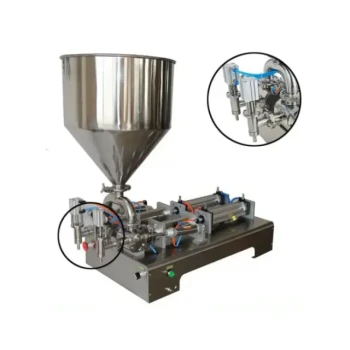
High-precision honey filling machines drive competitiveness primarily by strictly controlling material costs and ensuring regulatory compliance. These systems eliminate the variability inherent in manual processing, ensuring that every unit meets net weight standards without the financial loss of overfilling. By automating the dosing of high-viscosity liquids, producers can scale operations while meeting the rigorous hygiene standards required for formal retail distribution.
Core Takeaway While manual filling relies on artisanship, high-precision automation transforms honey production into a standardized commercial operation. The competitive edge comes from the simultaneous reduction of raw material waste and the mitigation of contamination risks, which is essential for entering high-value retail markets.
Maximizing Profitability Through Precision Control
Eliminating Product Giveaway
In honey production, the "giveaway"—the amount of product overfilled to ensure minimum weight compliance—can severely impact margins. High-precision machines use piston-style or weighing-based systems to ensure the net weight of each bottle strictly adheres to trade standards. This automated consistency reduces raw material waste compared to manual filling, directly improving the bottom line.
Managing High-Viscosity Challenges
Honey is technically difficult to package due to its thickness and tendency to cling to surfaces. Automated machines utilize precision metering to manage viscosity-related issues such as overflow and wall-clinging. By preventing spills and measuring accurately, these systems ensure that expensive raw product ends up in the jar, not on the production floor.
Increasing Operational Speed
Mechanized filling replaces slow manual transfer with rapid, automated dosing. This capability allows producers to significantly increase packaging efficiency and volume. This scalability is critical for producers looking to transition from small-batch sales to fulfilling larger commercial orders.
Ensuring Compliance and Product Integrity
Mitigating Contamination Risks
Manual handling is the primary vector for secondary contamination in food packaging. Automated filling systems operate in a closed environment, removing human contact from the critical transfer phase. This is vital for meeting modern food safety regulations and obtaining the health certifications necessary for export or large-scale retail.
Preserving Shelf Stability
Industrial-grade machines prevent atmospheric moisture from entering the honey during the filling process. Since excess moisture can lead to fermentation and spoilage, this airtight handling extends the product's shelf life. Maintaining a stable, unfermented product is essential for protecting brand reputation and reducing returns.
Enhancing Professional Presentation
Advanced machines are equipped with no-drip filling nozzles and automatic capping functions. This ensures a clean bottle neck and an airtight seal, preventing the sticky residue often associated with manual packing. A clean, professionally sealed package signals hygiene and quality to the consumer.
Understanding the Trade-offs
Calibration and Maintenance Requirements
While these machines offer precision, they require regular calibration to maintain that accuracy. Producers must account for the technical expertise or maintenance schedules needed to keep the weighing and piston systems functioning within tolerance, especially when honey viscosity changes due to temperature.
Initial Capital vs. Labor Flexibility
Automating the filling line represents a significant upfront capital expenditure compared to manual labor. Additionally, while machines offer speed, they may offer less flexibility than human workers when frequently switching between drastically different bottle shapes or sizes without downtime for retooling.
Making the Right Choice for Your Goal
To maximize the return on investment in filling technology, align the machine's capabilities with your specific business phase.
- If your primary focus is cost control: Prioritize machines with advanced weighing-based feedback systems to minimize overfill and reduce raw material waste to the absolute minimum.
- If your primary focus is market expansion: Select equipment with certified closed-loop hygiene systems and no-drip nozzles to meet the strict admission standards of supermarkets and health regulators.
Standardizing your filling process is the definitive step that transitions a honey producer from a local supplier to a competitive commercial brand.
Summary Table:
| Competitive Factor | Impact of Precision Filling Machines | Manual Filling Challenges |
|---|---|---|
| Material Waste | Minimal "giveaway" through precise piston/weighing systems. | Frequent overfilling and product loss. |
| Hygiene & Safety | Closed environments minimize secondary contamination. | Higher risk of human contact and spoilage. |
| Efficiency | Rapid, automated dosing for high-volume orders. | Slow, labor-intensive, and difficult to scale. |
| Product Quality | No-drip nozzles ensure clean, professional packaging. | Sticky residue and inconsistent bottle seals. |
| Shelf Stability | Airtight handling prevents moisture ingress/fermentation. | Exposure to atmospheric moisture risks spoilage. |
Transform Your Honey Production with HONESTBEE
Elevate your commercial apiary's competitiveness with HONESTBEE. As a premier partner for commercial apiaries and distributors, we provide more than just equipment—we provide the tools for scaling your success.
Our comprehensive wholesale portfolio includes:
- Advanced Machinery: High-precision honey-filling and hive-making machines engineered for efficiency.
- Full-Spectrum Tools: A complete range of beekeeping hardware and essential industry consumables.
- Cultural Merchandise: Honey-themed products to diversify your brand's reach.
Whether you are looking to eliminate product waste or meet strict international hygiene standards, HONESTBEE delivers the reliability you need. Contact us today to optimize your honey production line!
References
- Augusto Paschoalino, Helena Carvalho De Lorenzo. Limites e possibilidades para a apicultura na região central do Estado de São Paulo. DOI: 10.5902/1983465912830
This article is also based on technical information from HonestBee Knowledge Base .
Related Products
- Precision Durable Efficient HONESTBEE Rotary Honey Filling Machine
- Commercial Rotary Honey Filling Machine for Production
- Precision Automated Packaging Turntable Honey Spoon Filling Sealing Packing Machine
- Fully Automatic Honey Filling Packaging Machine for Processing Line
- Pneumatic Double Nozzle Honey Filling Bottling Packaging Machine
People Also Ask
- What are the common types of bottling machines used for honey? Choosing the Right Solution for Your Apiary
- How do honey filling and processing machines aid native bee product conservation? Boost Value with HONESTBEE Technology
- What quality control role does professional honey filling equipment perform? Ensure Consistency and Product Stability
- How do high-precision honey filling machines ensure quality? Optimize Your Commercial Production with HONESTBEE
- What is a key feature of the new generation of the honey filling machine? The Advanced Electronic Control Unit