Modern frame hives and purpose-built equipment generally deliver higher honey yields and more efficient operations than traditional log hives. Log hives have a lower entry cost, but their fixed comb makes inspection, disease control, colony expansion, and non-destructive harvesting difficult. Standardized frame, mobile, and extraction systems require more initial investment but support better colony management, faster harvesting, improved quality control, and commercial-scale fulfillment.
Core takeaway: Traditional log hives can suit low-input production, but modern modular hives are better aligned with reliable yields, disease management, labor efficiency, and distribution or export requirements. The greatest gains come from adopting the hive, frames, inspection tools, transport systems, and extraction equipment as one coordinated operating system.
Why Hive Design Changes Honey Yield
Fixed Comb Limits Colony Management
Traditional log hives generally contain fixed comb, so beekeepers cannot easily remove individual frames for inspection or rearrange the brood nest and honey stores.
This makes it harder to evaluate queen activity, brood development, food reserves, and disease symptoms before they affect the wider colony. It also limits the beekeeper’s ability to add space in response to strong nectar flows.
Modular Frames Create Usable Space
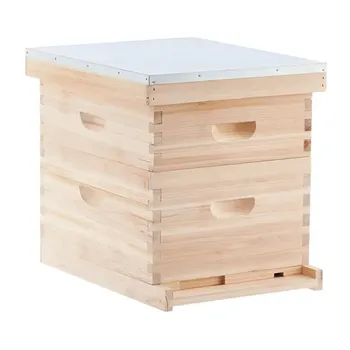
Modern box hives, including Langstroth and British National designs, use standardized removable frames within a modular structure.
Beekeepers can add boxes or frames as the colony grows, giving bees more organized space for brood rearing and honey storage. This reduces congestion and helps colonies take advantage of peak flowering periods.
Non-Destructive Harvesting Preserves Bee Productivity
In a log hive, harvesting may involve cutting or crushing comb. The colony must then rebuild that comb before returning fully to nectar collection.
Removable-frame systems allow honey to be extracted while preserving the comb structure. Because bees spend less time rebuilding comb, more of their energy can be directed toward gathering and storing nectar.
Higher Yields Are Possible, Not Guaranteed
The references report substantially higher yields from modern hives, with examples ranging from approximately 10–20 kilograms per hive to 25–30 kilograms, and up to 35 kilograms or more in high-performing regions.
Other reported comparisons place modern box hives near 24.4 kilograms per hive annually, versus approximately 5.6 kilograms for traditional hives. These figures should be treated as operating benchmarks rather than guarantees because forage availability, climate, colony strength, queen quality, and management practices strongly influence results.
How Equipment Improves Operational Efficiency
Routine Inspection Becomes Faster and More Precise
Removable frames let workers inspect colonies visually without dismantling or damaging the hive.
This makes it easier to monitor brood patterns, queen performance, honey stores, swarm risks, and early signs of disease. Problems can be addressed while they are still manageable, rather than discovered only after production has declined.
Disease Management Becomes More Practical
Fixed-comb log hives complicate disease inspection and can make consistent treatment or hygiene procedures difficult.
Standardized frames and accessible hive interiors support more systematic disease monitoring and management, including production practices intended to meet requirements such as VietGAP and other commercial quality controls.
Mechanical Extraction Reduces Labor and Honey Loss
Modern frames are compatible with centrifugal honey extractors and other specialized harvesting tools.
This improves processing speed, reduces comb damage, and limits losses during extraction. It also creates a more repeatable workflow for larger apiaries and businesses supplying wholesalers, distributors, or export channels.
Standardization Simplifies the Supply Chain
A standardized hive system allows frames, foundations, boxes, covers, stands, tools, and extraction equipment to work together.
For commercial buyers, this is more valuable than purchasing isolated products. A compatible product portfolio reduces procurement complexity, simplifies replacement planning, and helps ensure that new equipment integrates with existing apiary operations.
Why Mobility Can Increase Production
Hives Can Follow Peak Flowering
Mobile hive systems allow colonies to be transported directly to fields during important flowering periods.
This reduces the distance worker bees need to travel to reach nectar sources. Less travel time and energy expenditure can support stronger foraging activity and higher honey production when transport and site management are handled correctly.
Mobile Frames Support Faster Field Decisions
Interchangeable frames make it easier to inspect colonies before and after relocation.
Beekeepers can identify weak colonies, confirm queen activity, balance resources, and monitor whether a site is producing as expected. These decisions improve the productivity of each apiary location.
Mobility Requires Operational Discipline
Transportable hives also require suitable vehicles, secure hive components, site planning, and careful timing.
Without reliable logistics, movement can stress colonies, increase labor requirements, or create avoidable losses. Mobility is therefore most effective when supported by durable equipment and responsive fulfillment of replacement parts.
What Commercial Buyers Should Source Together
Core Hive Components
A commercial frame-hive system typically requires:
- Standardized hive boxes and compatible lids
- Removable frames and foundation sheets
- Hive stands and transport supports
- Queen-management and inspection tools
- Spare frames and replacement components
Compatibility matters. Frames, boxes, foundations, and extraction equipment should be selected as a system rather than purchased solely on individual unit price.
Harvesting and Processing Equipment
Specialized harvesting equipment may include:
- Mechanical honey extractors
- Uncapping tools and trays
- Food-contact containers
- Strainers and filtration equipment
- Honey pumps or transfer systems where appropriate
This equipment helps convert higher field production into consistent, marketable output. A productive hive still creates a bottleneck if harvesting and processing capacity cannot keep pace.
Equipment for Quality and Compliance
Commercial honey buyers need more than volume. They also require traceability, clean handling, consistent moisture control, and reliable batch processing.
Modern hive and processing systems make these practices easier to standardize. This supports suppliers serving formal retail, wholesale, distribution, and export markets.
Understanding the Trade-offs
Higher Capital Requirements
Log hives require less specialized hardware and may be attractive where investment funds are limited or production is primarily subsistence-oriented.
Modern systems require upfront spending on boxes, frames, foundations, tools, transport equipment, and extraction machinery. The investment is justified when improved yields, labor savings, quality control, and repeatable production are important.
Training and Maintenance Are Essential
Modern equipment does not automatically produce better results.
Workers must understand frame manipulation, inspection procedures, disease management, seasonal expansion, harvesting, and equipment sanitation. Frames and hive boxes also require maintenance, cleaning, and timely replacement.
Standardization Can Reduce Flexibility
A standardized frame system improves efficiency but creates dependence on compatible components.
If a supplier changes dimensions or replacement parts are unavailable, operations can become difficult to maintain. Buyers should assess long-term component availability, after-sales support, and delivery reliability before adopting a system.
Yield Comparisons Need Proper Context
Reported yields vary widely across regions and management systems. Differences between traditional and modern hives may reflect not only hive design, but also better queens, stronger colonies, improved forage access, mobile placement, disease control, and more skilled management.
The correct commercial question is not whether a modern hive guarantees a particular yield. It is whether the complete system improves the apiary’s yield potential, labor productivity, harvest frequency, and output consistency.
Making the Right Choice for Your Goal
Select equipment according to the production model, workforce, forage conditions, and expected sales channel.
- If your primary focus is low-cost or subsistence production: Log hives may minimize initial investment, but accept lower inspection access, more difficult disease management, and less predictable harvesting.
- If your primary focus is higher honey yield: Use standardized modular frame hives with adequate expansion space, quality foundations, and strong colony-management practices.
- If your primary focus is commercial distribution or export: Build an integrated system around frame hives, inspection tools, extraction machinery, hygiene controls, and traceable processing.
- If your primary focus is seasonal forage utilization: Add mobile hive equipment and transport supports so colonies can be positioned near peak flowering resources.
- If your primary focus is procurement efficiency: Work with a supplier able to provide compatible hive components, harvesting equipment, replacement parts, technical guidance, and rapid order fulfillment from one product portfolio.
The most effective upgrade is not simply replacing a log hive with a modern box; it is adopting a compatible, supportable system that turns better hive design into reliable commercial performance.
Summary Table:
| Aspect | Traditional Log Hives | Modern Frame Hives |
|---|---|---|
| Initial Cost | Low | Higher |
| Inspection | Difficult | Easy with removable frames |
| Disease Control | Limited | Systematic monitoring and treatment |
| Honey Yield | ~5.6 kg/hive/year | ~24.4 kg/hive/year (up to 35+ kg) |
| Harvesting | Destructive, comb crushing | Non-destructive, centrifugal extraction |
| Mobility | Rarely mobile | Transportable, follows nectar flows |
| Quality Control | Hard to standardize | Supports traceability and compliance |
| Labor Efficiency | Lower | Higher with specialized tools |
| Scalability | Limited | Suitable for commercial operations |
Maximize your honey yield and operational efficiency with HONESTBEE's comprehensive range of modern hive equipment and honey processing machinery. As a trusted supplier for commercial apiaries and distributors, we offer a one-stop sourcing solution covering everything from hive boxes and frames to extractors and filling lines. Our rapid response, dedicated service, and ultra-fast delivery ensure your operations never stall. Whether you're scaling up or optimizing existing setups, we provide OEM/ODM support, certifications, and reliable supply. Contact us today to upgrade your apiary and boost your bottom line!
Related Products
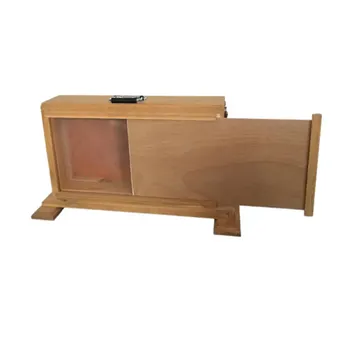
- Professional Observation Hive: The Ultimate Portable Solution for Beekeeping Education, Exhibitions, and Colony Displays
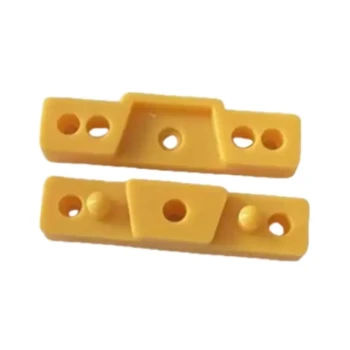
- Durable Plastic Interlocking Hive Connector for Beekeeping
- Professional Engraved Round Hive Number Tags for Beekeeping
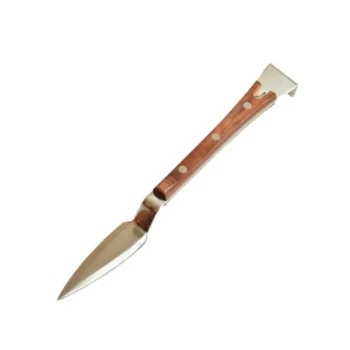
- HONESTBEE Premium Italian Style Hive Tool with Hardwood Handle
- Durable Plastic Hive Number Set for Beekeeping
People Also Ask
- How does transitioning to modern hives boost honey yield? Increase production and product quality for your commercial apiary
- How do Langstroth and Dadant standard beehives compare regarding brood chamber management and component compatibility? Find the Perfect Fit for Your Apiary
- What are the key operational differences and structural trade-offs between Langstroth beehives and top-bar beehives for apiary management? Discover which hive system fits your operational needs.
- What are the primary differences between Langstroth, horizontal top bar, and Warré hive box designs when selecting beekeeping equipment? Choose the Right Hive for Your Apiary
- Why do commercial apiary operators transition from traditional hive structures, such as clay cylinders, to standardized Langstroth hive boxes? Discover Scalable Beekeeping Solutions