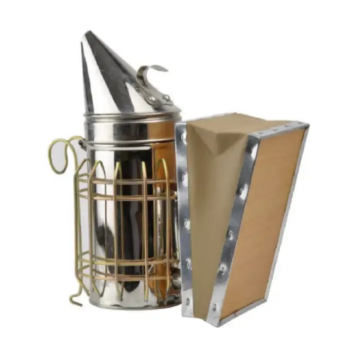
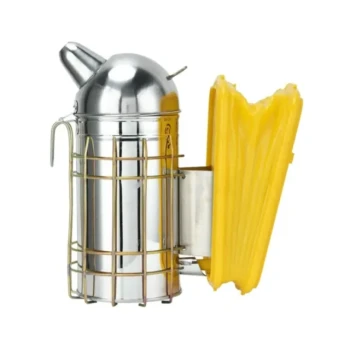
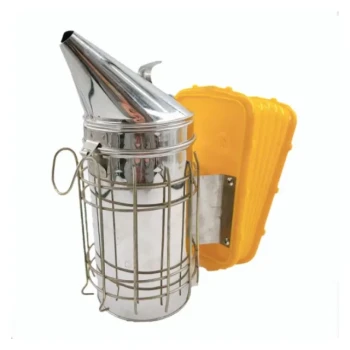
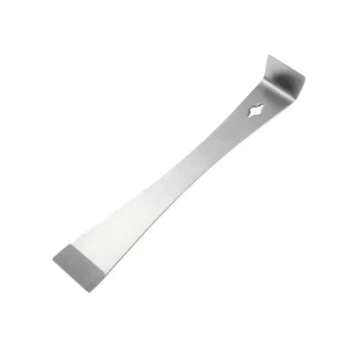
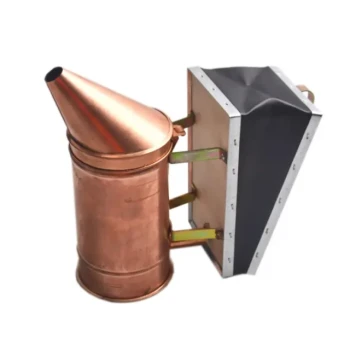
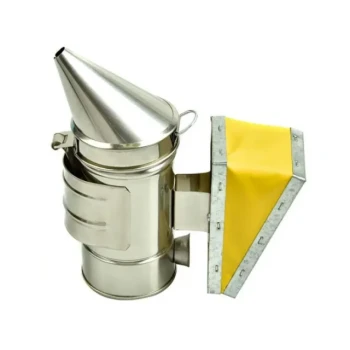
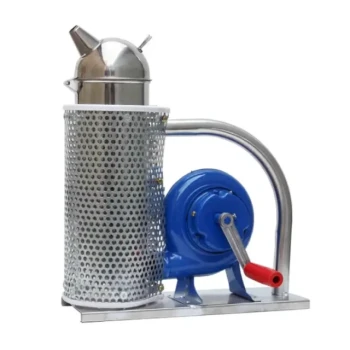
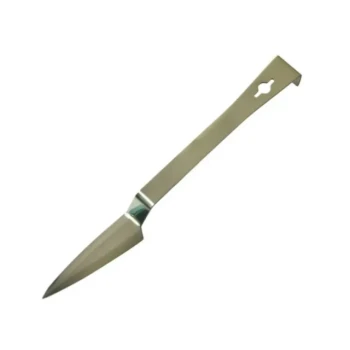
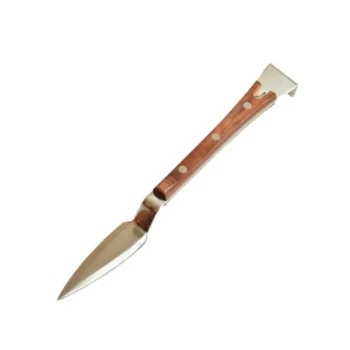
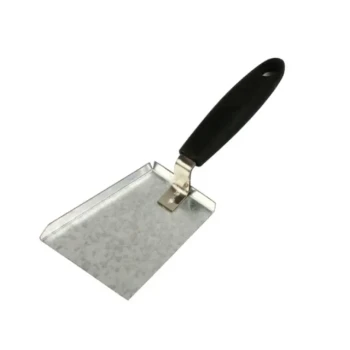
Hive tools and smokers work together to make hive operations safer and more controlled. A hive tool separates propolis-sealed boxes and frames, helps prevent crushing bees, and can scrape a bee stinger from the skin without squeezing the venom sac. A smoker produces controlled, cool smoke that disrupts alarm-pheromone signaling, helping calm the colony and reducing the risk of additional defensive behavior.
Core takeaway: The hive tool provides precise mechanical control, while the smoker manages colony behavior. Used correctly, they reduce unnecessary disturbance during inspections and help limit escalation after a sting.
How Hive Tools Assist During Hive Operations
Separating propolis-sealed equipment
Bees use propolis to secure covers, brood boxes, supers, and frames. The flat edge of a hive tool provides leverage to break these seals without jolting or striking the hive.
Gentle movement matters because vibration and sudden impacts can agitate bees. A suitable hive tool allows the operator to work deliberately and keep hive components under control.
Lifting and positioning frames
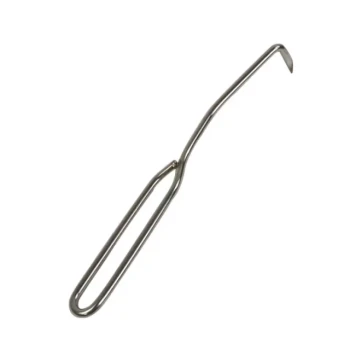
The hooked end of many hive tools helps lift frames that are tightly packed or bonded by wax and propolis. This makes it easier to inspect brood, honey stores, queen activity, and signs of pests or disease.
Controlled frame handling also reduces accidental crushing. Crushed bees can release additional alarm signals and make the colony more defensive.
Cleaning hive components
Scraping edges can remove excess wax, brace comb, and propolis from frame rests and hive runners. Keeping these areas clean supports smoother reassembly and reduces the force needed during the next inspection.
For professional apiaries, this makes the hive tool a multi-purpose item rather than a single-use pry bar. A durable, well-designed tool can support inspection, maintenance, and emergency sting response.
How Hive Tools Help With Bee Stings
Scraping rather than pinching
If a worker bee leaves a barbed stinger in the skin, the hive tool can be used to scrape it away. Scraping helps avoid squeezing the attached venom sac and pump mechanism.
Pinching or pulling the stinger incorrectly may force more venom into the tissue while the mechanism remains active. The priority is to remove the stinger promptly without compressing the venom sac.
Using the tool safely
The hive tool should be applied carefully and at a shallow angle. The objective is to lift or scrape the stinger from the skin, not to dig into the wound or apply unnecessary pressure.
The tool should also be kept clean and maintained appropriately. A dedicated sting-removal card or scraper may be preferable for some operators, while the hive tool remains a practical field backup.
Understanding the smoker’s role after a sting
A sting releases alarm pheromone that can alert and agitate nearby bees. A small amount of smoke directed near the sting site can help mask that scent and reduce the chance of other bees reacting to it.
Smoke does not neutralize venom or replace appropriate first aid. Anyone experiencing breathing difficulty, swelling of the face or throat, dizziness, or other signs of a serious allergic reaction should seek emergency medical assistance.
How Smokers Keep Colonies Calm
Disrupting alarm communication
Smoke interferes with the bees’ ability to respond to alarm pheromone signals. This reduces the likelihood that a single defensive incident will rapidly involve more bees.
The effect is behavioral rather than sedative. Bees may retreat between the frames and become easier to handle, giving the beekeeper time to work smoothly.
Using smoke before opening the hive
On a suitable inspection day, begin with a few gentle puffs at the entrance. Allow time for the smoke to take effect before removing the cover.
After opening the hive, a small waft beneath the crownboard or inner cover can encourage bees away from the working area. The operator should use targeted puffs rather than continuously smoking the colony.
Choosing cool, controlled smoke
A reliable smoker should produce cool, dense smoke without escaping flames or excessive heat. Thin, hot smoke, sparks, or burning material can distress bees and may damage bees or brood.
Keeping fuel properly lit and the smoker within easy reach supports slow, deliberate operation. Fast, improvised movements often create more disturbance than the original inspection.
A Controlled Workflow for Safer Inspections
Prepare before opening
Inspectors should choose calm, warm conditions when foragers are active outside the hive, with supplementary guidance identifying approximately 16°C or above as a suitable threshold. They should also have protective clothing, a lit smoker, and a hive tool ready before disturbing the colony.
Tools should be positioned where they can be reached without stepping away from an open hive. This reduces interruptions and prevents the operator from leaving equipment balanced on unstable surfaces.
Open the hive gradually
Use the hive tool to break propolis seals gently rather than levering abruptly. Apply a few light puffs at the entrance, then a small amount beneath the cover, allowing the colony time to respond.
During the inspection, smoke only where needed, such as around frame edges or crowded top bars. The goal is to redirect bees and prevent crushing, not to fill the hive with smoke.
Reassemble with the same care
Before replacing boxes and covers, use smoke sparingly to move bees away from contact points. This reduces the chance of trapping or crushing bees between components.
The hive tool can then help align and close the equipment without force. Smooth reassembly limits further alarm signals and leaves the colony in a more stable condition.
Understanding the Trade-offs
Too little smoke can allow escalation
Insufficient smoke may leave guard bees highly alert, particularly when the colony is already defensive or the inspection involves heavy manipulation. The result can be more buzzing, stinging, and difficult frame handling.
Smoke should be applied early and in small, deliberate amounts rather than introduced only after the colony has become agitated.
Too much or overly hot smoke can create problems
Excessive smoke can disturb bees, contaminate the working environment, and make it harder to observe normal colony behavior. Hot smoke or sparks can injure bees and brood and may increase distress instead of reducing it.
Controlled, cool puffs are more effective than continuous or forceful smoking.
A hive tool cannot replace careful handling
A strong hive tool provides leverage, but careless prying can jolt equipment, damage comb, or crush bees. Mechanical advantage must be paired with slow movements and awareness of where bees are positioned.
Likewise, a hive tool should not be treated as a substitute for proper protective equipment or sting-response procedures.
Product quality affects operational consistency
For distributors, wholesalers, and professional beekeepers, inconsistent smokers or poorly finished hive tools can interrupt inspections and increase handling risk. Product selection should consider durability, grip, corrosion resistance, smoker airflow, heat control, and dependable availability.
A broad product portfolio and responsive fulfillment are operational advantages when apiaries need replacement tools, smoker fuel, protective equipment, or related hive-management supplies from one source.
Making the Right Choice for Your Goal
Select equipment based on the work it must support, not simply on the lowest purchase price.
- If your primary focus is sting management: Keep a clean, sturdy scraping edge immediately available, remove stingers without pinching, and maintain separate first-aid and emergency-response supplies.
- If your primary focus is calm colony inspections: Choose a reliable smoker that produces cool, controlled smoke and use a hive tool that separates frames and boxes without jolting them.
- If your primary focus is professional apiary efficiency: Standardize durable hive tools and smokers across teams so operators can work consistently and replacements can be sourced quickly.
- If your primary focus is distribution or resale: Build a dependable, full-spectrum supply offering around core tools, smoker accessories, protective equipment, and responsive order fulfillment.
With the right tools and disciplined technique, beekeepers can protect themselves, minimize colony disturbance, and conduct more efficient hive operations.
Summary Table:
| Aspect | Hive Tool | Smoker |
|---|---|---|
| Primary Function | Mechanical leverage: separating propolis, lifting frames, scraping | Behavioral control: producing smoke to calm bees |
| Sting Management | Scrapes stinger without squeezing venom sac | Masks alarm pheromone after a sting |
| Usage Technique | Gentle prying and scraping at shallow angles | Cool, controlled puffs before and during inspection |
| Benefit | Reduces bee crushing and precise handling | Disrupts alarm signals, reduces defensiveness |
| Risk if Misused | Jolting hive, damaging comb, crushing bees | Too hot or excessive smoke can distress bees |
Enhance your hive operations with professional-grade hive tools and smokers. At HONESTBEE, we offer a comprehensive range of beekeeping equipment and supplies, from hive tools to full apiary solutions. Our B2B services include OEM/ODM support, certifications, and rapid fulfillment to keep your business thriving. Contact us today to discuss your wholesale needs and experience reliable partnership.
Related Products
- European Stainless Steel Bee Smoker for Honey Bee Hive
- Stainless Steel Honey Bee Smoker Hive and Honeycomb Smoker for Beekeeping
- Stainless Steel Bee Hive Smoker Beekeeping Smoker for Wholesale
- Economy Galvanized Beekeeping Honey Bee Smoker for Wholesale
- Stainless Steel Electric Beehive Smoker for Beekeeping and Bee Keeper Use
People Also Ask
- What type of bee smoker is recommended for a beginner? Top Picks for Easy Hive Management
- Why is a stainless steel bee smoker considered indispensable? Master Hive Management with Cool Smoke Technology
- What are bee smokers made out of? Choose the Right Material for Your Apiary
- What are the differences between stainless steel and galvanized steel bee smokers? Choose the Right Smoker for Your Apiary
- What is the technical necessity of using bee smokers? Essential Tools for Safe and Efficient Hive Management