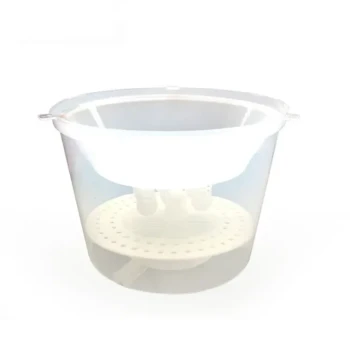
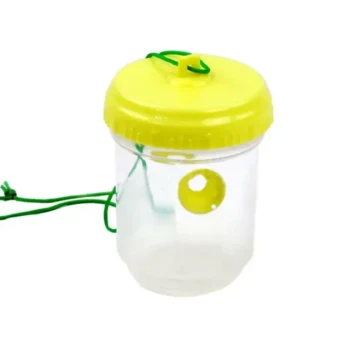
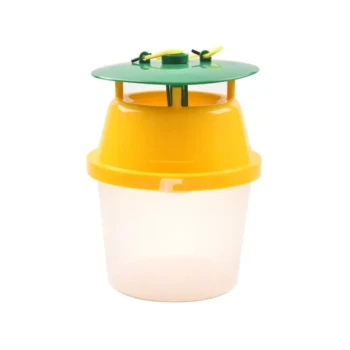
In-hive beetle traps function by leveraging the natural defensive behavior of the honey bee colony against pests. These devices are designed to fit securely between the frames of the hive, creating a space that mimics a safe crevice. As bees chase and harass the beetles, the pests retreat into the trap's openings seeking refuge, only to fall into a reservoir where they are trapped and eliminated.
The success of an in-hive trap relies on a partnership: the trap provides the lethal reservoir, but the bees must actively herd the beetles into it.
The Mechanics of Capture and Control
The Bee-Driven Pursuit
The primary mechanism of action is physical harassment by the bees. As your bees defend the hive, they aggressively chase small hive beetles across the combs and frames. The beetles, looking for a place to hide from the bees, view the narrow slots of the trap as a safe harbor.
The Lethal Reservoir
Once the beetle scurries through the trap's intake slots, it falls into a containment chamber. While some traps rely on starvation, most utilize a small amount of vegetable oil. The oil serves two purposes: it prevents the beetle from climbing back out, and it coats the beetle to cause suffocation and death.
The Role of Attractants
While the bees provide the "push," some traps utilize a "pull" in the form of bait. You can enhance the trap's effectiveness by adding natural attractants like apple cider vinegar or pollen to lure beetles that are not currently being chased. However, the oil itself remains the primary killing agent.
Optimizing for Effectiveness
Strategic Placement
Beetles naturally congregate in areas where bees cannot easily reach them, such as the corners of the hive box. Consequently, traps should be placed between the frames near the outer corners of the top box. For severe infestations, utilizing two traps per hive box is recommended to increase the surface area of capture.
Creating a Flush Fit
For the trap to work, it must sit perfectly flat against the frames. You must scrape away all burr comb and propolis from the top bars before installation. If gaps exist under the rim of the trap, beetles will simply hide underneath the trap rather than entering it, rendering the device useless.
Regular Monitoring
These are not "set and forget" devices. You must inspect the traps regularly to remove dead beetles and replenish the oil. A trap that is clogged with debris or has gone dry can actually become a breeding ground or safe harbor for the very pests you are trying to eliminate.
Common Pitfalls and Trade-offs
Colony Strength is Critical
A trap is a passive tool that requires an active colony to function. Weak colonies cannot effectively chase beetles into the traps. Therefore, traps should be viewed as a support system for a strong colony, not a cure for a weak, overwhelmed hive.
Maintenance Risks
Using oil-based traps introduces a risk of spillage. If you are clumsy during inspections or if the hive is tipped, oil can spill onto the bees and brood, causing damage. Additionally, you must be vigilant about "flaps" on disposable traps; beetles often hide under these flaps, requiring you to manually crush them during inspections.
Making the Right Choice for Your Goal
To get the most out of in-hive beetle traps, align your usage with your current hive conditions:
- If your primary focus is routine prevention: Install one oil-filled trap between the outer frames of the top box to monitor beetle levels.
- If your primary focus is controlling a severe infestation: Use two traps per box and ensure you manually clear propolis to eliminate all alternative hiding spots.
- If your primary focus is ease of use: Opt for disposable traps that can be discarded after a single cycle to avoid the mess of cleaning and refilling.
Effective pest management is about consistency, so keep your traps clean and your colonies strong to ensure the beetles have nowhere to run.
Summary Table:
| Feature | Mechanism/Detail | Optimization Tip |
|---|---|---|
| Primary Driver | Bee harassment/chase behavior | Maintain strong colonies to push beetles into traps. |
| Lethal Agent | Vegetable oil reservoir | Ensure oil is clean; refill regularly to prevent dry traps. |
| Strategic Placement | Between frames, near outer corners | Scrape away all propolis for a flush fit. |
| Attractant Options | Apple cider vinegar or pollen | Use to lure beetles even when bees aren't chasing them. |
| Maintenance | Cleaning and refilling | Check during every inspection to avoid spillages. |
Maximize Your Colony Yield with HONESTBEE Beekeeping Solutions
Protecting your investment from small hive beetles requires more than just traps—it requires professional-grade equipment that lasts. HONESTBEE specializes in supporting commercial apiaries and distributors with a comprehensive wholesale range of beekeeping tools, specialized hardware, and industrial machinery.
From high-efficiency honey-filling machines and durable hive-making equipment to essential consumables and honey-themed cultural merchandise, we provide the full spectrum of products needed to scale your operations and ensure hive health.
Ready to optimize your honey production and pest management?
Contact HONESTBEE Today to discuss our bulk pricing and tailored wholesale solutions for your business!
Related Products
- Black Plastic Beetle Barn Hive Beetle Trap for Beehives
- Removable Washable Hive Beetle Trap Attractants for Small Hive Beetles
- Reusable Aluminium Beetle Trap for Small Hive Beetles Silver Bullet
- Reusable Clear Small Hive Beetle Traps for Beehives Beetle Trapping Tools
- Plastic Beetle Blaster Trap Beekeeping Tools and Supplies
People Also Ask
- How should powdered substances be used in beetle traps for hive beetle control? Expert Guide for Maximum Colony Protection
- What are the three main types of hive beetle traps? Expert Solutions for Protecting Your Bee Colonies
- What are the types of hive beetle traps available? Master Your Beetle Control Strategy
- What are the main types of hive beetle traps available? A Beekeeper's Guide to Effective Control
- What mechanical methods can be used to manage small hive beetles? Effective Physical Solutions for Your Beehive