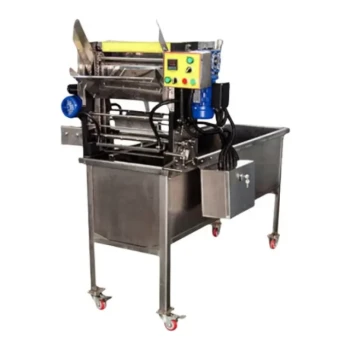
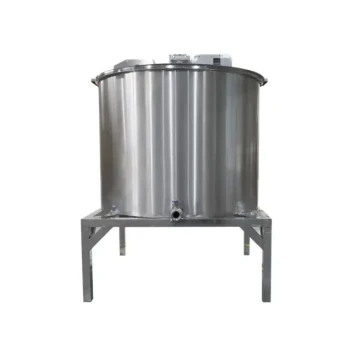
Industrial-grade automated honey filling machines guarantee product quality through a combination of precise metering controls and advanced hygiene protocols. By utilizing vacuum anti-drip technology and minimizing human contact, these systems strictly prevent contamination while ensuring every container meets standardized volume specifications.
Core Takeaway Automated filling systems are not just about speed; they are critical preservation tools. By isolating honey from the environment through sealed piping and minimizing human handling, these machines preserve the product's biological integrity, extend shelf life, and ensure the consistent presentation required for consumer trust.
The Mechanics of Hygiene and Standardization
Minimizing Contamination Risks
The primary advantage of industrial automation is the drastic reduction of human intervention. By minimizing human contact, these machines eliminate the most common source of biological and particulate contamination.
Furthermore, advanced systems utilize sealed piping and precision pumps. This closed-loop design ensures the honey is not exposed to open air during the transfer from tank to bottle, maintaining a strictly hygienic environment.
Precision Metering for Consistency
Product quality is also defined by reliability. Industrial machines employ high-precision quantitative filling technology, often using piston or weighing-based systems.
This ensures that the net content of every jar complies strictly with label specifications. This level of accuracy reinforces the professional image of the producer and builds consumer confidence in the brand’s integrity.
Vacuum Anti-Drip Technology
To maintain a clean packaging process, these machines utilize vacuum anti-drip technology and specialized nozzles.
This feature prevents honey from trailing onto the bottle neck or exterior. A clean seal is vital for preventing secondary contamination at the cap line and ensures the final product is aesthetically pristine for direct-to-consumer sales.
Preserving Chemical Integrity and Shelf Life
Controlling Moisture and Oxidation
Honey is hygroscopic, meaning it absorbs moisture from the air. Automated fillers minimize air contact time, preventing the honey from absorbing environmental moisture that could raise water content above 20 percent.
Maintaining low moisture levels is critical to inhibit yeast reproduction. By preventing fermentation, the machinery directly contributes to extending the product's stable shelf life.
Material Safety and Purity
High-quality industrial fillers are constructed from food-grade stainless steel. This prevents the honey from reacting with lesser metals, avoiding metal ion contamination or oxidation.
For organic or monofloral varieties, this material standard is non-negotiable. It ensures the unique biological characteristics and flavor profiles of the honey remain unaltered during the high-speed bottling process.
Temperature and Viscosity Management
Different honey types, from fluid blossom to thick chestnut honey, require specific handling. Automated systems often include constant temperature filling capabilities.
By managing temperature relative to viscosity, the machine ensures a smooth fill without overheating the product, which preserves the honey’s physical properties and prevents thermal degradation.
Understanding the Trade-offs
Maintenance and Calibration
While automation ensures consistency, it requires a higher standard of operational discipline. Cleaning protocols for anti-drip nozzles and sealed piping must be rigorous to prevent cross-contamination between batches.
Flexibility vs. Speed
Industrial machines are optimized for specific bottle sizes and honey viscosities. Switching between drastically different container types or honey varieties often requires time-consuming re-calibration or tooling changes, which can impact agility for smaller, multi-varietal runs.
Making the Right Choice for Your Goal
To maximize the value of your honey production, align your equipment choice with your specific business objectives:
- If your primary focus is Organic Certification: Prioritize machines with certified food-grade stainless steel construction and sealed piping to eliminate oxidation and metal ion contamination.
- If your primary focus is Brand Image: Look for systems with vacuum anti-drip technology and automatic capping to ensure a clean, professional visual presentation on the shelf.
- If your primary focus is Shelf Life: Ensure the machine offers sealed, rapid filling cycles that strictly limit air exposure and moisture absorption to prevent fermentation.
By leveraging the right automation technology, you transform filling from a simple task into a critical quality assurance checkpoint.
Summary Table:
| Quality Metric | Automated Solution | Impact on Product |
|---|---|---|
| Hygiene | Sealed piping & minimal human contact | Eliminates biological & particulate contamination |
| Accuracy | High-precision piston/weighing systems | Ensures compliance with label specs & consumer trust |
| Cleanliness | Vacuum anti-drip nozzles | Prevents secondary contamination at the bottle neck |
| Shelf Life | Rapid, sealed filling cycles | Lowers moisture absorption and prevents fermentation |
| Purity | Food-grade stainless steel construction | Protects biological integrity and flavor profiles |
Elevate Your Honey Production with HONESTBEE
At HONESTBEE, we specialize in empowering commercial apiaries and distributors with the professional tools needed to dominate the market. Our comprehensive wholesale catalog includes everything from high-precision honey-filling machines and hive-making equipment to specialized hardware and honey-themed cultural merchandise.
Whether you are scaling your brand for direct-to-consumer sales or optimizing a large-scale distribution network, our industrial-grade machinery ensures your honey maintains its biological integrity and premium presentation. Partner with the industry experts—contact us today to discover how our tailored equipment solutions can grow your business!
References
- Dejan KLICKOVIC, Borut Bosančić. Analysis of attitudes of honey consumers in the municipality of Novi Grad (Bosnia and Herzegovina). DOI: 10.17707/agricultforest.63.2.06
This article is also based on technical information from HonestBee Knowledge Base .
Related Products
- Fully Automatic Honey Filling Packaging Machine for Processing Line
- Precision Durable Efficient HONESTBEE Rotary Honey Filling Machine
- Precision Automated Packaging Turntable Honey Spoon Filling Sealing Packing Machine
- Automatic Honey Filling and Filtering Machine for Beekeeping Bottle Filling
- Automatic Single-Dose Snap & Squeeze Honey Sachets Packing Machine
People Also Ask
- Why are fully automatic honey filling and packaging lines essential? Boost Your Honey's Market Value and Quality
- What is a fully-automatic honey filler? Streamline Your Production with High-Precision Automation
- How do automated honey filling and packaging machines affect profitability? Boost Margins with HONESTBEE Technology
- How do automated honey filling and packaging machines contribute to the market value of honey products? Maximize Your ROI
- How do industrial-grade automated honey filling and packaging machines mitigate the risk of physical contamination?