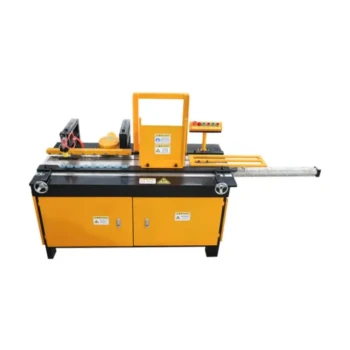
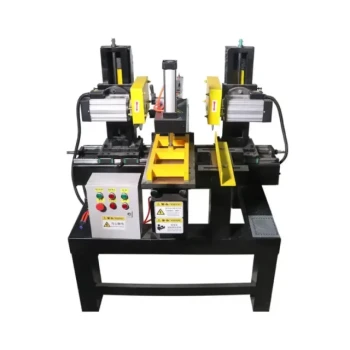
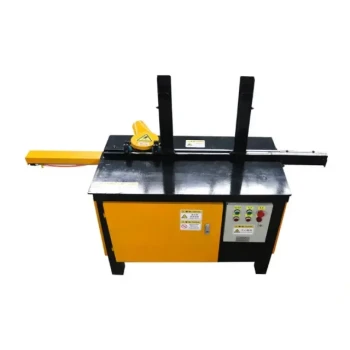
Industrial-grade hive-making machines are the linchpin of modern commercial apiaries, facilitating the transition from traditional craft to scalable industrial operations. By ensuring the precise, automated production of hive components, these machines create a standardized hardware ecosystem that allows for interchangeable parts, unified extraction processes, and rapid operational scaling.
Core Takeaway The primary value of industrial hive-making machinery is not merely production speed, but the absolute standardization of components. This consistency allows for the complete interchangeability of frames and bodies across thousands of colonies, which is the prerequisite for mechanization, streamlined management, and cost-effective expansion.
The Foundation of Modern Beekeeping: Standardization
Precision and Interchangeability
The most critical contribution of these machines is the production of hive bodies and frames with exact dimensional consistency. In a large-scale operation, every frame must fit into every hive box without modification.
This interchangeability allows apiarists to move combs between different colonies seamlessly. It simplifies complex tasks such as queen rearing and balancing colony resources, which are difficult or impossible with inconsistent, hand-made equipment.
Enabling Mechanized Operations
Standardized dimensions are a requirement for the use of advanced processing equipment. Unified extraction machinery relies on frames being uniform in size and shape to function correctly.
By guaranteeing this uniformity, hive-making machines enable apiaries to automate the honey harvesting process. This significantly increases production capacity and reduces the manual labor required per hive.
Operational Efficiencies at Scale
Rapid Colony Expansion
For commercial apiaries, growth is often limited by the availability of infrastructure. Industrial machines enable the automated, high-volume production of supers and internal components in-house.
This capability provides the physical foundation necessary for rapid colony expansion. Apiaries can scale their operations quickly without relying on external suppliers or facing procurement delays.
Streamlined Logistics and Migration
Commercial beekeeping often involves migratory operations, moving thousands of hives to follow bloom cycles. Standardized, machine-produced hives stack securely and transport efficiently.
Furthermore, uniform equipment lowers the cost of fixed asset investment and maintenance. Replacement parts are identical to the originals, simplifying inventory management and reducing long-term operational overhead.
Enhancing Colony Health and Stability
Environmental Control and Sealing
Modern hive-making machines produce well-sealed components that offer superior protection compared to traditional construction. Tighter tolerances improve internal airflow and humidity management.
This structural integrity provides stable living conditions for the bees. It helps maximize production potential by allowing the colony to regulate its environment more energy-efficiently.
Disease and Pest Mitigation
High-precision manufacturing reduces gaps and crevices where pests can enter or hide. Well-sealed hives significantly lower the risk of infestation by pests and diseases.
Additionally, this standardization supports better integration with advanced management systems. Easier monitoring allows for scientifically scheduled relocations, helping apiaries avoid peak pesticide application times in surrounding agricultural areas.
Understanding the Trade-offs
The Necessity of System Integration
Investing in industrial machinery requires a simultaneous investment in management systems. The hardware (the hive) is only effective when paired with industrial-scale protocols; using these machines without a transition to professional management (typically 150+ colonies) yields diminishing returns.
The Lock-in Effect
Once an apiary commits to a specific dimensional standard produced by their machinery, changing that standard becomes operationally difficult. You must ensure the initial specifications are optimized for your specific bee species and local climate before beginning mass production, as retrofitting thousands of standardized units is not improved by interchangeability.
Making the Right Choice for Your Goal
To maximize the value of industrial hive-making technology, align your equipment choice with your specific operational focus:
- If your primary focus is Rapid Scaling: Prioritize machines with high-volume automation capabilities to eliminate infrastructure bottlenecks during expansion phases.
- If your primary focus is Operational Efficiency: Focus on machines that guarantee high-precision tolerances to ensure seamless integration with mechanical extraction lines and migratory equipment.
- If your primary focus is Colony Health: Select machinery capable of producing optimized, well-sealed structures that enhance airflow control and exclude pests.
Success in commercial beekeeping relies on treating the hive not as a home, but as a standardized, interchangeable tool for production.
Summary Table:
| Benefit Category | Impact on Commercial Operations | Key Outcome |
|---|---|---|
| Standardization | Universal interchangeability of frames and hive bodies | Seamless colony management & resource balancing |
| Mechanization | Uniform dimensions required for automated extraction | Increased honey production & reduced manual labor |
| Scalability | High-volume, in-house production of hive components | Rapid colony expansion without procurement delays |
| Durability | High-precision sealing and structural integrity | Improved environmental control & pest mitigation |
| Logistics | Uniform equipment stacking and transport | Reduced overhead for migratory beekeeping operations |
Elevate Your Apiary with HONESTBEE Precision Engineering
Transitioning from traditional beekeeping to a scalable industrial operation requires more than just bees—it requires a standardized hardware ecosystem. HONESTBEE specializes in empowering commercial apiaries and distributors with the high-performance machinery needed to dominate the market.
How we add value to your business:
- Industrial-Grade Machinery: From high-precision hive-making units to automated honey-filling machines, we provide the tools for complete operational autonomy.
- Comprehensive Wholesale Range: We supply the full spectrum of beekeeping tools, specialized hardware, and essential industry consumables.
- Strategic Growth Support: Our equipment is designed to ensure the absolute standardization necessary for mechanized extraction and rapid colony scaling.
Ready to transform your production capacity and streamline your logistics? Partner with an industry leader who understands the demands of large-scale beekeeping.
Contact HONESTBEE Today to Discuss Your Wholesale Needs
References
- Tomaž Oštir. Bees And Beekeeping In Cambodia. DOI: 10.1080/0005772x.2014.11417597
This article is also based on technical information from HonestBee Knowledge Base .
Related Products
- High-Efficiency Pneumatic Bee Hive Making Machine for Rapid Box Assembly
- Mini Desktop Bee Hive Frame Forming Making Machine
- Beehive Handle and Frame Rest Cutting Machine: Your Specialized Hive Machine
- Beehive Machine Double End Saw for Precision Hive Component Manufacturing
- Automatic High-Speed Bee Hive Box Stapling Machine
People Also Ask
- How does the introduction of professional beehive-making machinery benefit sustainable beekeeping? Scale Your Apiary
- Why is specialized beehive-making machinery critical for low-defense breeding? Enhance Selection with Precision Tools
- How does the introduction of specialized beehive making machinery contribute to increasing the scale of regional beekeeping industries?
- What is the importance of specialized beehive making machinery in a circular bio-economy? Build Local Sustainability
- Why is specialized beehive-making machinery essential? Scale Your Apiary with Precision Industrial Standards