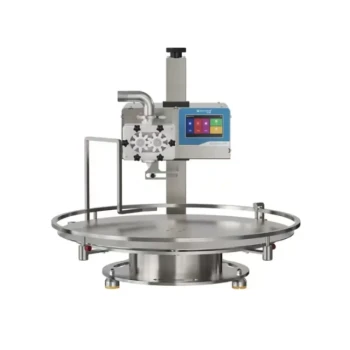
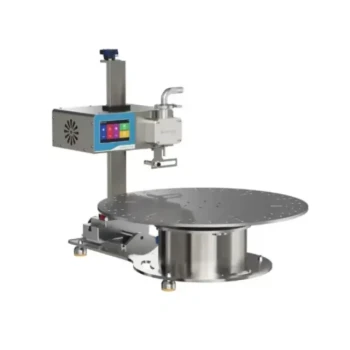
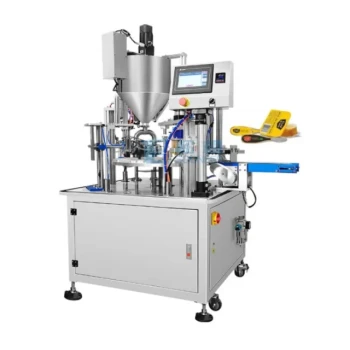
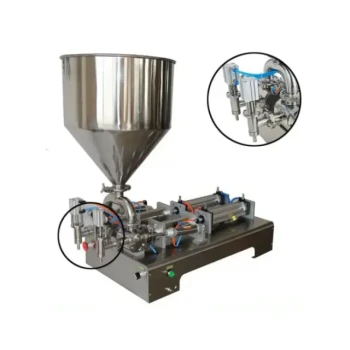
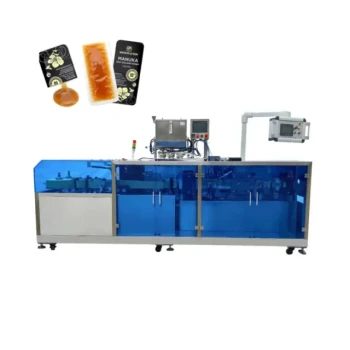
Industrial-grade honey filling machines act as the critical technological bridge that transforms raw bee products into standardized, commercially viable goods. By utilizing high-precision quantitative filling technology, these systems manage varying viscosities—from liquid honey to thick royal jelly—to ensure consistent packaging, vastly improved production efficiency, and the strict hygiene control required for export-grade quality.
Core Takeaway The commercial success of bee products relies on moving from bulk agriculture to trustworthy retail packaging. Industrial filling machines facilitate this shift by ensuring the rigorous hygiene, precise volume control, and shelf stability necessary to enter high-value markets and build a premium brand.
Driving Value Through Standardization
Precision Quantitative Control
Commercialization requires consistency. Industrial machines utilize automated measurement technologies to ensure every unit contains the exact net weight promised on the label.
This precision eliminates product giveaway (overfilling) and prevents consumer complaints regarding underfilling. It establishes the baseline trust required for retail distribution.
Handling Complex Viscosities
Bee products vary wildly in texture, requiring adaptable equipment. High-quality industrial fillers are engineered to handle these differences without stalling or clogging.
Whether processing free-flowing honey or dense royal jelly, the machinery maintains flow and accuracy. This versatility allows producers to expand their product lines without requiring separate processing lines for every variation.
Strict Hygiene and Safety
For export and high-end retail, hygiene is non-negotiable. These machines are designed to minimize human contact, significantly reducing the risk of biological contamination.
By implementing standardized sanitary operations, producers ensure the final product meets the stringent regulatory compliance required for food, pharmaceutical, and cosmetic applications.
Elevating Market Position
Establishing a Premium Image
The transition from a primary agricultural product to a high-value good is largely visual and tactile. Automated filling and sealing create a polished, professional appearance that manual packaging cannot replicate.
This consistency allows native products, such as stingless bee honey, to shed the image of a "cottage industry" item. It positions them as premium goods worthy of higher price points in competitive markets.
Extending Shelf Life
Commercial viability depends on distribution time. Industrial machines provide airtight, hygienic sealing that protects the product from oxidation and secondary contamination.
This process prevents fermentation during storage and transport. By stabilizing the product, producers can confidently access international markets and extended retail supply chains.
Supporting Sustainable Models
The commercialization enabled by these machines has a ripple effect on local economies. By increasing the added value of native bee products, the technology provides a financial incentive for communities to engage in habitat protection.
This fosters a sustainable model where commercial success directly supports conservation efforts.
Understanding the Trade-offs
Capital Investment vs. Scale
While industrial machines drive efficiency, they represent a significant upfront cost. They are most effective when the volume of production justifies the investment; for very small producers, the ROI may not be immediate.
Operational Complexity
Transitioning to automated equipment introduces a need for technical maintenance. Operators must be trained to handle calibration, cleaning protocols, and troubleshooting to keep the line running smoothly.
Maintenance of Natural Integrity
High-speed processing must be balanced with the delicate nature of raw honey. Poorly configured machines can introduce heat or aeration that degrades the quality of minimally processed natural goods. Equipment selection must prioritize systems designed to preserve the biological properties of the honey.
Making the Right Choice for Your Goal
To leverage this technology effectively, align your equipment choice with your specific commercial objective:
- If your primary focus is international export: Prioritize machines with advanced hygiene certifications and high-precision weight control to meet strict border regulations.
- If your primary focus is niche branding (e.g., Stingless Bee Honey): Select equipment capable of handling unique viscosities gently to maintain the "raw" premium appeal while ensuring a standardized shelf look.
- If your primary focus is large-scale distribution: Focus on high-speed automation and sealing reliability to maximize throughput and minimize per-unit packaging costs.
Industrial filling technology is not just about speed; it is the fundamental tool that legitimizes a bee product in the eyes of the global market.
Summary Table:
| Key Feature | Impact on Commercialization | Primary Benefit |
|---|---|---|
| Precision Filling | Eliminates product waste and ensures label accuracy | Consumer trust & cost control |
| Viscosity Adaptability | Handles everything from liquid honey to royal jelly | Product line diversification |
| Hygienic Design | Meets strict food safety and export regulations | Access to international markets |
| Automated Sealing | Prevents oxidation and fermentation | Extended shelf life & stability |
| Professional Finish | Provides consistent, high-end retail appearance | Premium brand positioning |
Elevate Your Bee Product Business with HONESTBEE
Transition from bulk production to a premium global brand with HONESTBEE. We specialize in supporting commercial apiaries and distributors by providing the industry's most reliable industrial-grade honey filling machines, hive-making hardware, and specialized processing equipment.
Whether you are looking to automate your production line or source high-quality beekeeping consumables, our comprehensive wholesale offerings are designed to maximize your efficiency and market value. Partner with us to ensure your products meet the highest standards of precision and hygiene.
Ready to scale your operations? Contact our specialists today to find the perfect equipment solution for your business!
References
- Mohammad Rezā Fathi, Somayeh Razi Moheb Saraj. The future of apitourism in Iran based on critical uncertainty approach and DEMATEL/COPRAS techniques. DOI: 10.1108/jtf-09-2021-0215
This article is also based on technical information from HonestBee Knowledge Base .
Related Products
- Commercial Rotary Honey Filling Machine for Production
- Precision Durable Efficient HONESTBEE Rotary Honey Filling Machine
- Fully Automatic Honey Filling Packaging Machine for Processing Line
- Economy Small Honey Filling Machine Honey Bottle Filler Packaging Machine
- Precision Automated Packaging Turntable Honey Spoon Filling Sealing Packing Machine
People Also Ask
- What role do commercial honey filling machines play in honey distribution? Scaling Efficiency and Quality Control
- What technical support do commercial-grade filling machines provide? Convert Honey NTFPs into Marketable Commodities
- What is the significance of specialized honey filling equipment? Scaling from Beekeeping to Commercial Success
- Why is professional honey filling machinery critical for honey production? Scale Your Apiary's Profit & Efficiency
- Why is high-capacity honey filling machinery necessary for Giant Honey Bees? Solve the Apis dorsata Volume Crisis