Industrial-grade sunshades optimize honeybee productivity by fundamentally altering the hive’s energy economy. In desert environments where temperatures exceed 50°C, these structures block direct solar radiation to lower the microclimate temperature at the hive entrance. This intervention allows the colony to reduce metabolic energy spent on survival mechanisms—specifically fanning and water collection—and reallocate that energy toward nectar and pollen foraging.
By effectively managing the hive's thermal load, sunshades convert energy that would be lost to maintenance and cooling into tangible production gains, such as increased honey stores and colony growth.
The Mechanism of Thermal Defense
To understand why sunshades are critical, one must first understand the specific environmental threat posed by extreme desert climates.
Blocking Direct Solar Radiation
In regions where ambient temperatures climb above 50 degrees Celsius, direct sunlight turns a beehive into a solar oven. Industrial-grade sunshades act as the primary barrier, physically intercepting solar radiation before it strikes the hive bodies.
Modifying the Microclimate
The impact of this shielding is immediate at the hive entrance. By creating a shaded zone, the microclimate temperature surrounding the flight path and ventilation points is significantly lowered. This prevents the immediate area around the hive from becoming a thermal trap that inhibits bee movement.
The Energy Reallocation Principle
The true value of sunshades is not just in lowering temperature, but in how that temperature drop changes bee behavior.
Reducing Metabolic Cooling Costs
When a hive overheats, bees must engage in active cooling. This involves distinct, energy-intensive behaviors:
- Fanning: Bees beat their wings at the entrance to circulate air.
- Water Collection: Foragers switch from collecting food to collecting water for evaporative cooling.
Sunshades drastically reduce the need for these activities, thereby lowering the metabolic energy the colony "spends" on staying cool.
Maximizing Foraging Output
Energy saved on cooling is energy earned for production. Because the colony is under less thermal stress, more bees are released from cooling duties. These bees can then be dedicated to nectar and pollen foraging, directly increasing the resource intake of the colony.
Verifying Performance and Trade-offs
While sunshades provide the necessary environment for productivity, they do not guarantee it. Passive protection must be paired with active monitoring to ensure the colony is thriving.
The Necessity of Data Verification
Deploying sunshades is an investment that requires verification. Relying solely on the presence of shade is insufficient; you must track if the energy savings are actually translating into weight gain.
Monitoring Weight Fluctuations
To confirm the sunshades are working effectively, industrial-grade platform scales or load cells should be employed. These devices track daily weight fluctuations, offering precise data on nectar secretion intensity and collection progress.
Identifying Risks Early
Continuous monitoring of total weight changes allows you to spot anomalies. If a shaded colony is losing weight or failing to gain, it indicates that despite the thermal protection, there may be food shortages or other health risks that require immediate intervention.
Making the Right Choice for Your Goal
Implementing sunshades is a strategic decision that balances environmental protection with performance metrics.
- If your primary focus is Colony Survival: Prioritize the installation of sunshades to block direct radiation and reduce the metabolic stress of fanning and water collection.
- If your primary focus is Production Efficiency: Pair your sunshades with industrial-grade load cells to quantify daily weight gains and determine the optimal timing for honey harvesting.
The most successful operations do not view sunshades as simple covers, but as energy management tools that convert reduced thermal stress into measurable honey production.
Summary Table:
| Feature | Impact on Colony | Outcome |
|---|---|---|
| Solar Radiation Block | Lowers hive microclimate temperature | Prevents heat-related colony collapse |
| Reduced Fanning | Conserves bee metabolic energy | Higher energy reserves for the hive |
| Lower Water Demand | Foragers switch from water to nectar | Increased honey and pollen stores |
| Data Monitoring | Tracks weight gain via platform scales | Precise harvesting and health management |
Maximize Your Colony Productivity with HONESTBEE
Don't let extreme heat stifle your apiary's potential. HONESTBEE specializes in supporting commercial apiaries and distributors with high-performance beekeeping tools and machinery designed for the toughest environments. From industrial-grade scales for monitoring foraging efficiency to advanced hive-making equipment and specialized consumables, we provide the comprehensive wholesale solutions you need to scale your operations.
Empower your business with professional-grade equipment today.
References
- Abdulaziz S. Alqarni, Ayman A. Owayss. Beekeeping in the Desert: Foraging Activities of Honey Bee during Major Honeyflow in a Hot-Arid Ecosystem. DOI: 10.3390/app11209756
This article is also based on technical information from HonestBee Knowledge Base .
Related Products
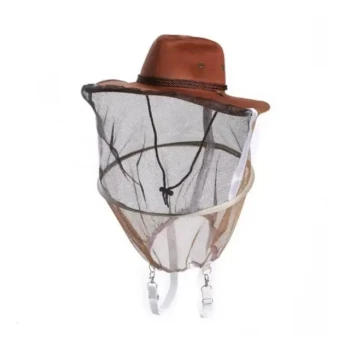
- High-Definition Beekeeper Hat with Round Veil Mesh for Beekeeping
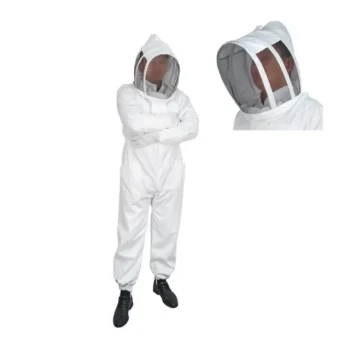
- Professional Beekeeper Suit with Square Folding Cotton Veil
- Solar Beeswax Melter Easy Solar Wax Melter for Beeswax
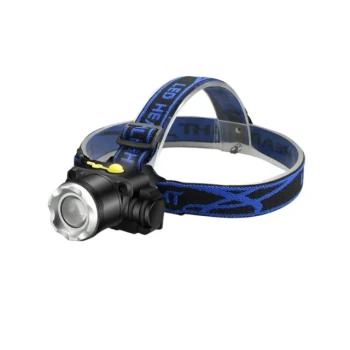
- Professional Rechargeable Beekeeping Headlamp Flashlight with Red Light Mode and Type-C Charging
- Economy Polyester Beekeeping Jacket with Veil and Hat
People Also Ask
- What is the primary purpose of a beekeeper's hat veil? Essential Face & Neck Protection for Safe Hive Management
- What are the benefits of the lightweight fabric used in the beekeeping hat veil? Enhanced Visibility & Comfort for Hive Work
- How is the beekeeper hat designed for comfort and practicality? Explore Key Features for Enhanced Apiary Safety
- What design features contribute to the stability and fit of the beekeeper hat? Key Features for Maximum Hive Safety
- What is the correct way to wash a beekeeping hat and veil? Safe Hand-Washing Guide to Protect Your Gear