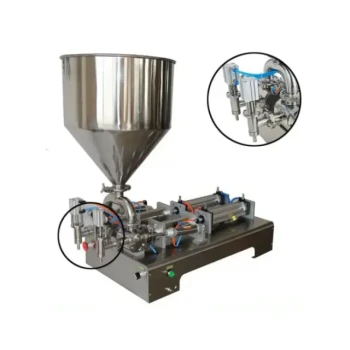
Industrial filtration and filling machines increase market value by transforming inconsistent raw harvests into standardized, commercial-grade products. By physically removing wax, debris, and impurities found in traditional comb harvesting without compromising natural bioactivity, these systems elevate the honey’s sensory quality and clarity. This process bridges the gap between artisanal beekeeping and the strict consistency requirements of the modern retail market.
The Core Transformation While traditional harvesting preserves the "raw" nature of honey, it often results in a product filled with impurities and prone to spoilage. Industrial processing bridges the gap between potential and profit by stabilizing the product, ensuring hygiene, and creating the visual clarity required to command premium prices.
Elevating Sensory Quality and Clarity
Removing Physical Impurities
Traditional honey harvesting, particularly methods involving the removal of entire combs, inevitably introduces unwanted solids. This often includes high levels of wax debris, larvae, and pollen.
Industrial filtration systems, such as centrifuges and precision filters, physically clear these impurities. This results in a product that is cleaner and more appealing to the consumer eye.
Enhancing Visual Appeal
Consumer perception is heavily influenced by the visual aspect of the product. The purification process creates clear, transparent honey that meets commercial grading standards.
By eliminating cloudiness and solid particles, producers significantly improve consumer acceptance. This visual upgrade is essential for supporting the premium pricing strategies of specialized honey brands.
Preserving Bioactivity
Crucially, modern industrial filtration is designed to clean the honey without damaging its natural bioactivity.
Unlike aggressive thermal processing that might degrade nutrients, proper filtration improves consistency while retaining the chemical properties that make honey valuable. This allows producers to market a product that is both refined and authentic.
Ensuring Stability and Hygiene
Extending Shelf Life
Traditional "squeezed" honey often faces stability issues, including fermentation. Industrial equipment frequently integrates dehydration functions to control moisture content and prevent spoilage.
When paired with airtight, food-grade filling machinery, the risk of contamination is effectively eliminated. This extends the product's shelf life, making it viable for long-distance distribution and storage.
Meeting International Safety Standards
Manual filling poses contamination risks that are unacceptable in global trade. Industrial machines provide high standards of hygiene throughout the packaging process.
This adherence to strict sanitation protocols transforms local honey into a traceable export good. It ensures the product meets the rigorous hygiene standards required by international ecological and premium markets.
Standardization for Commercial Retail
Precision in Packaging
Manual filling often results in weight deviations and inconsistent liquid levels. Industrial filling machines guarantee precise quantitative control, ensuring every jar meets the stated net weight.
This automation eliminates the inefficiencies and product loss associated with manual processing. It creates the uniformity required by supermarkets and trade channels.
Enabling Brand Traceability
Advanced processing lines often integrate professional labeling equipment. This allows for the transparent display of origin, floral source, and nutritional content.
By verifying product authenticity and standardizing packaging specifications, producers build consumer trust. This trust is the foundation for competing effectively against imported brands and establishing high-value geographic indicators.
Understanding the Trade-offs
While industrial processing increases market value, it requires a delicate balance to avoid diminishing the product's unique character.
The Risk of Over-Processing
The goal is filtration, not sterilization. Over-filtration can remove too much pollen, which is necessary for verifying the geographical origin of the honey.
If the machinery is operated incorrectly—specifically regarding temperature—producers risk destroying the enzymes that classify the honey as "raw" or "natural." The market value relies on using these machines to refine, not to strip the honey of its identity.
Making the Right Choice for Your Goal
To maximize the value of your honey, align your processing strategy with your target market:
- If your primary focus is Local Premium Retail: Prioritize precision filtration systems that enhance clarity and visual appeal to justify higher shelf prices.
- If your primary focus is International Export: Prioritize integrated dehydration and filling lines that ensure moisture control and strict hygiene compliance to prevent fermentation during shipping.
- If your primary focus is Mass Market Distribution: Prioritize automated filling and labeling machinery to ensure weight consistency and standardization required by large retail chains.
True market value is unlocked when you combine the authenticity of traditional harvesting with the consistency of industrial finishing.
Summary Table:
| Feature | Traditional Harvesting Impact | Industrial Processing Benefit | Market Value Driver |
|---|---|---|---|
| Purity | Contains wax, debris, and larvae | Precise removal of physical impurities | Premium visual appeal & clarity |
| Consistency | Variable moisture and weight | Controlled dehydration & precise filling | Retail-ready standardization |
| Shelf Life | High risk of fermentation | Airtight, hygienic packaging | Long-distance export viability |
| Traceability | Limited production data | Integrated labeling and origin tracking | Enhanced consumer brand trust |
| Quality | Natural but often inconsistent | Refined while preserving bioactivity | Reliable high-grade positioning |
Elevate Your Apiary’s Commercial Potential with HONESTBEE
Are you ready to bridge the gap between artisanal harvesting and global retail standards? HONESTBEE specializes in empowering commercial apiaries and distributors with professional-grade honey processing solutions.
From high-precision filtration systems and honey-filling machines to advanced dehydration equipment and professional hive-making machinery, we provide the full spectrum of tools you need to maximize your product's market value. Whether you are scaling for mass distribution or targeting the premium export market, our comprehensive wholesale offering ensures your honey meets the highest international hygiene and consistency standards.
Ready to transform your production line? Contact HONESTBEE Today to Discuss Your Equipment Needs
References
- Haftom Gebremedhn, Dirk C. de Graaf. Living in harmony with nature: the key to resilience of honeybees (Apis mellifera) in Africa. DOI: 10.1007/s13592-025-01193-w
This article is also based on technical information from HonestBee Knowledge Base .
Related Products
- Automatic Honey Filling and Filtering Machine for Beekeeping Bottle Filling
- Precision Durable Efficient HONESTBEE Rotary Honey Filling Machine
- Fully Automatic Honey Filling Packaging Machine for Processing Line
- Economy Small Honey Filling Machine Honey Bottle Filler Packaging Machine
- Commercial Rotary Honey Filling Machine for Production
People Also Ask
- What process advantages do professional honey filtering and filling machines provide? Optimize Your Organic Honey Output
- How do honey filling and filtering machines increase product value? Turn Raw Honey into Premium Export-Grade Goods
- How do honey filtration and filling machinery contribute to industrialization? Scale Your Commercial Honey Production
- What specific issues do industrial filtration and automated filling machinery address? Ensure Honey Quality & Compliance
- How does the use of professional honey filtration and filling machinery facilitate international honey exports?