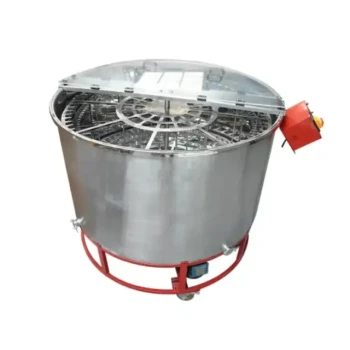
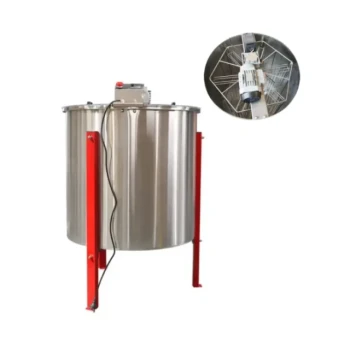
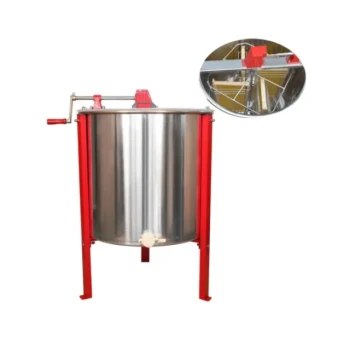
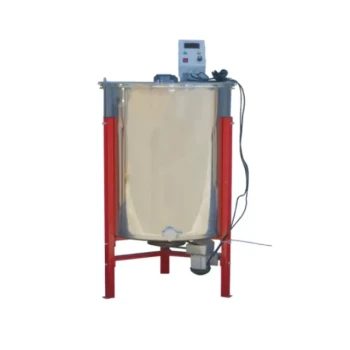
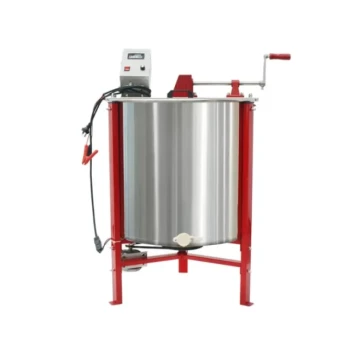
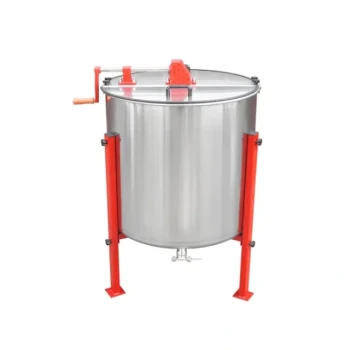
The choice between electric and manual extractors is fundamentally a trade-off between capital investment and physical equity. Electric extractors significantly reduce physical effort and accelerate the harvesting process by using a motor to spin frames, making them the superior choice for streamlining operations or accommodating physical limitations. Conversely, manual extractors require continuous hand-cranking, making the process more physically demanding and time-consuming.
Core Takeaway While manual extractors provide a cost-effective, hands-on solution for small harvests, the labor intensity becomes a bottleneck as an apiary grows. Electric extractors transform the workflow by trading upfront cost for substantial savings in time and physical exertion, becoming a necessity for operations exceeding ten hives.
The Labor Dynamic
The Reality of Manual Cranking
A manual extractor relies entirely on the operator to generate the centrifugal force needed to pull honey from the comb.
This requires continuous physical engagement. You must turn a hand crank for the duration of the spin, which can be exhausting during long harvest sessions.
Reducing Physical Strain
Electric extractors replace human power with an electric motor.
This automation is critical for beekeepers with physical limitations, such as back issues or reduced arm strength. It transforms a physically demanding chore into a push-button operation.
The Time Efficiency Factor
Speed and Throughput
Electric models are generally faster than manual counterparts.
They maintain a consistent high speed without fatigue, allowing you to process more frames per hour. In a manual setup, the speed fluctuates based on the operator's stamina.
The Opportunity to Multitask
The hidden time-saver of an electric extractor is workflow parallelism.
Because the machine spins on its own, you can uncap the next set of frames while the current batch is extracting. With a manual unit, you are tethered to the crank, preventing any other work from happening simultaneously.
The Tipping Point: When to Upgrade
The 10-Hive Threshold
Industry consensus suggests that the labor and time costs of manual extraction become unsustainable once you exceed ten hives.
For operations larger than this, the time saved by an electric model justifies the higher price tag.
Small-Scale Manageability
For hobbyists with just a few hives, the time penalty of a manual extractor is negligible.
Processing a small batch manually is manageable and does not warrant the investment in motorized equipment.
Understanding the Trade-offs
Cost vs. Convenience
The primary downside of the electric advantage is financial cost. Electric extractors are significantly more expensive due to the motor and electronic components.
Manual extractors are cost-effective, lowering the barrier to entry for new beekeepers who are not yet ready to commit to expensive machinery.
Control and Experience
Manual extractors offer a unique benefit: tactile feedback.
Because you are hand-cranking, you have precise control over the speed. This allows for a "hands-on" experience that some hobbyists prefer, reducing the risk of blowing out delicate combs by spinning too fast too soon.
Making the Right Choice for Your Goal
To select the right tool, you must assess your current apiary size and your physical requirements.
- If your primary focus is budget and small-scale management: Stick with a manual extractor; it is cost-effective and perfectly adequate for managing fewer than ten hives.
- If your primary focus is efficiency and volume: Invest in an electric extractor to unlock multitasking capabilities and manage the output of more than ten hives.
- If your primary focus is physical accessibility: Choose an electric extractor regardless of hive count to eliminate the physical strain of hand-cranking.
Ultimately, value your time and physical health as part of the total cost of your beekeeping operation.
Summary Table:
| Feature | Manual Honey Extractor | Electric Honey Extractor |
|---|---|---|
| Physical Labor | High (Continuous hand-cranking) | Low (Automated motor operation) |
| Time Efficiency | Slower; tethered to the crank | Faster; allows for multitasking |
| Ideal Scale | Hobbyists (<10 hives) | Commercial & Growing Apiaries (10+ hives) |
| Key Advantage | Lower cost & tactile control | Maximum throughput & reduced strain |
| Investment | Low initial capital | Higher upfront cost |
Maximize Your Harvest Efficiency with HONESTBEE
Is your manual extraction process slowing down your growth? At HONESTBEE, we specialize in empowering commercial apiaries and distributors with high-performance beekeeping machinery. Whether you need advanced honey-filling machines to speed up production or durable motorized extractors to save labor, we provide the full spectrum of professional tools and industry consumables.
Don't let physical strain limit your operation’s potential. Our comprehensive wholesale solutions are designed to scale with your business, from specialized hardware to honey-themed cultural merchandise.
Ready to upgrade your workflow? Contact us today to explore our wholesale equipment and see how HONESTBEE can bring industrial-grade efficiency to your apiary.
Related Products
- HONESTBEE 72 Frame Industrial Electric Honey Extractor for Beekeeping
- Commercial Electric 12 Frame Honey Extractor Spinner Motorized Honey Extractor
- HONESTBEE 6 Frame Self Reversing Electric Honey Extractor for Beekeeping
- HONESTBEE 3-Frame Manual Acrylic Honey Extractor
- Stainless Steel Manual 8 Frame Radial Honey Extractor Machine for Beehives
People Also Ask
- What is the importance of balancing honeycomb frames within a honey extractor? Ensure Stability and Protect Machinery
- How is honey separated from the frames after they are uncapped? Efficient Extraction Methods for High Yields
- What are the main benefits of using a honey extractor? Maximize Yields and Protect Your Honeycomb
- What are the recommended methods for removing honey from the honeycomb? Top Extraction Techniques for Maximum Efficiency
- How do manual honey extractors compare to electric honey extractors? Choosing the Right Tool for Your Apiary Growth