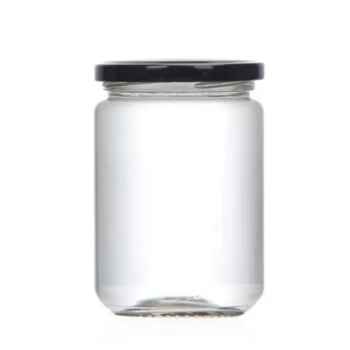
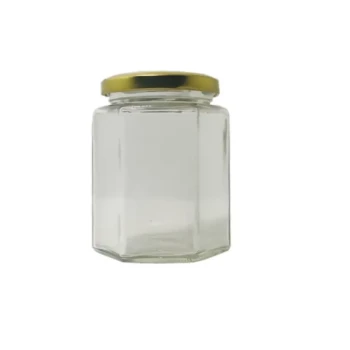
Mason jars fitted with fine-mesh screens function as controlled containment units designed to facilitate chemical exposure while maintaining a viable respiratory environment. In surface contact experiments, the jar itself acts as the delivery mechanism for the test agent, while the screen modification ensures subject security and standardized airflow.
This experimental setup solves the dual challenge of containment and exposure. It forces interaction with a chemical agent via coated surfaces while simulating the ventilation of a natural hive, allowing for safe, long-term observation of bee mortality and mobility.
The Mechanics of Chemical Exposure
Utilizing the Inner Surface
The core function of the Mason jar in this context is to serve as the contact vector. Researchers coat the inner walls of the jar with the specific test agent or chemical being studied. This ensures that as the bees move naturally within the confined space, they interact physically with the substance.
Passive Contact Delivery
Unlike ingestion studies, this method relies on surface-level interaction. The geometry of the jar ensures that bees cannot avoid the coated surfaces. This provides a consistent baseline for exposure across all subjects in the trial.
Environmental Control and Safety
The Function of the Fine-Mesh Screen
The standard lid is replaced with a fine-mesh screen to balance security with survival. The primary purpose of this screen is to prevent honey bee escape, maintaining the integrity of the sample size.
Simulating Hive Conditions
Beyond simple containment, the screen plays a critical physiological role. It ensures adequate air circulation enters the jar. This airflow prevents suffocation and simulates the respiratory environment bees experience within a hive, reducing stress variables not related to the chemical test.
Monitoring and Data Collection
Non-Invasive Observation
The setup allows researchers to collect data without opening the container or handling the insects directly. This minimizes the risk of accidental stings or subject loss during the observation phase.
Assessing Mobility and Survival
Determining the health status of the bees is an active process involving the apparatus. Researchers gently shake the jar to stimulate the bees. Observing the resulting movement allows them to accurately assess mobility levels and distinguish between resting subjects and mortalities.
Operational Considerations
The Requirement of Physical Disturbance
While the setup allows for visual monitoring, confirming biological status often requires physical interaction. Because bees may remain motionless for long periods, the method relies on the researcher shaking the jar to verify life. This means the data collection process introduces a minor physical disturbance variable into the experiment.
Implementing This Method effectively
If your primary focus is Toxicology Testing: Prioritize the uniform coating of the jar's inner walls to ensure every bee receives a consistent level of surface contact exposure.
If your primary focus is Subject Longevity: Ensure the mesh gauge allows maximum airflow to mimic the hive environment, preventing hypoxia-related stress from skewing your mortality data.
By combining physical containment with simulated ventilation, this apparatus provides a robust platform for isolating surface contact variables.
Summary Table:
| Feature | Component | Primary Function in Experiment |
|---|---|---|
| Containment | Mason Jar Body | Provides coated surface area for consistent chemical contact. |
| Ventilation | Fine-Mesh Screen | Ensures airflow to prevent hypoxia and simulate hive conditions. |
| Observation | Transparent Glass | Allows non-invasive monitoring of bee mobility and mortality. |
| Verification | Physical Agitation | Enables status assessment by shaking to stimulate movement. |
Elevate Your Bee Research and Operations with HONESTBEE
At HONESTBEE, we understand the precision required in both scientific research and large-scale apiculture. As a leading provider for commercial apiaries and distributors, we offer a comprehensive wholesale selection of high-quality tools designed to enhance productivity and subject safety.
Whether you need specialized beekeeping machinery, precise honey-filling equipment, or essential industry consumables, our portfolio is built to support your growth. We help our partners achieve professional-grade results through durable hardware and honey-themed cultural merchandise that resonates with the market.
Ready to scale your apiary or distribution network? Contact us today to discover how our tailored equipment solutions can streamline your operations and deliver superior value to your customers.
References
- Rassol Bahreini, David Feindel. Evaluation of potential miticide toxicity to Varroa destructor and honey bees, Apis mellifera, under laboratory conditions. DOI: 10.1038/s41598-020-78561-2
This article is also based on technical information from HonestBee Knowledge Base .
Related Products
- Classic Round Glass Honey Jar with Lid
- Classic Drum Shaped Glass Honey Jar with Airtight Lid
- Modern Square Glass Honey Jar with Twist Off Lid
- Classic Glass Honey Jar with Metal Lug Cap for Beehive Storage
- Hexagonal Glass Honey Jar with Wooden Lid Integrated Dipper Elegant Functional Storage
People Also Ask
- What is the aesthetic appeal of using glass jars for honey? Elevate Your Brand with Premium Packaging
- What are the advantages of glass containers for honey? Elevate Quality and Market Value with Premium Packaging
- How does the appearance of glass jar packaging affect the sales and perception of honey? Boost Your Premium Brand Value
- Why is a glass jar preferred for packaging honey? Ultimate Protection for Purity & Flavor
- What are the advantages of using high-quality glass containers in the commercial packaging of honey? Boost Premium Value