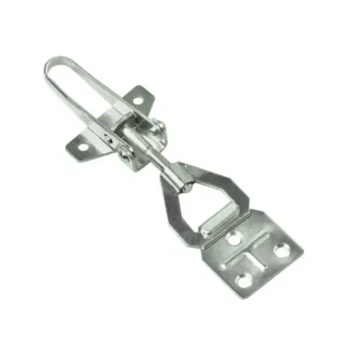
Precision mobility is the primary driver of monofloral honey production. Modular and mobile beehive systems allow beekeepers to transport colonies to specific geographical locations exactly when target plants—such as citrus, eucalyptus, or acacia—are flowering. By synchronizing the hive's location with these specific bloom windows, beekeepers ensure the colony forages primarily on a single nectar source, creating the distinct flavor profiles and chemical properties required for monofloral varieties.
By decoupling honey production from a fixed location, modular systems transform beekeeping into a dynamic, migratory operation. This logistical flexibility is the only reliable method to guarantee the botanical purity necessary for high-value single-varietal honey.
The Mechanics of Migratory Beekeeping
Targeted Geographical Placement
The core advantage of mobile systems is the ability to place colonies in specific botanical environments. Primary references indicate that migratory hardware allows apiaries to chase "nectar flows" across different regions.
Maximizing the Bloom Window
Different plants, such as linden, buckwheat, and rapeseed, have short and distinct flowering periods. Mobile tools allow beekeepers to relocate colonies precisely during these windows. This maximizes foraging time on a specific crop before the bees naturally switch to a different, competing nectar source.
Extending the Production Season
By following the bloom sequence—for example, moving from early blooming acacia to late blooming sunflower—beekeepers can maintain production throughout the growing season. This ensures a continuous supply of diverse honey types rather than a single, mixed "wildflower" harvest at the end of the year.
Ensuring Purity Through Modular Design
Isolation of Nectar Sources
Producing monofloral honey requires strict segregation of nectar types. Specialized hive systems facilitate efficient bee clearing and rapid extraction. This allows beekeepers to harvest the honey from one bloom immediately before moving the hives to the next, minimizing the risk of mixing varieties.
Standardization and Compatibility
Modular hives utilize uniform frame specifications. This standardization is critical for "plug-and-play" transport, as hives stack securely and interact seamlessly with extraction machinery. Uniformity ensures that the physical act of moving hundreds of hives does not damage the colony or the equipment.
Cycle Reduction via Consumables
Standardized frames allow for the preservation and reuse of drawn comb. Because bees do not have to rebuild wax for every flow, they can immediately begin storing nectar upon arrival at a new site. This shortens the production cycle, which is vital when targeting brief flowering events.
Understanding the Trade-offs
The Requirement for Strict Monitoring
While mobility enables variety, it introduces the risk of harvesting immature honey. Beekeepers must rigorously monitor honeycomb capping rates, targeting over 70 percent to ensure the honey is fully matured. Failing to do so can lead to high moisture content and post-harvest fermentation, spoiling the specific varietal batch.
Complexity of Pest Management
Moving hives exposes colonies to varying environmental threats and pesticide loads across different agricultural zones. The system requires advanced monitoring tools and eco-friendly biological controls to maintain colony health. The pursuit of variety cannot come at the cost of colony collapse or contamination.
Making the Right Choice for Your Goal
To leverage these systems effectively, you must align your equipment strategy with your production targets.
- If your primary focus is Market Differentiation: Prioritize mobile hardware that allows rapid relocation to niche flowering sites (like heather or eucalyptus) to capture high-value, unique aroma profiles.
- If your primary focus is Operational Efficiency: Focus on the standardization of frames and hive bodies to ensure compatibility with mechanical extraction lines, reducing the labor cost of frequent harvests.
Successful monofloral production relies not just on where you go, but on the standardized precision of how you get there.
Summary Table:
| Feature | Impact on Monofloral Production | Key Benefit |
|---|---|---|
| Precision Mobility | Synchronizes colony location with specific bloom windows | Ensures nectar purity and botanical variety |
| Modular Design | Facilitates rapid harvesting and segregation | Prevents mixing of different honey types |
| Standardized Frames | Preserves drawn comb for immediate nectar storage | Accelerates production during short blooms |
| Migratory Logistics | Allows following the seasonal bloom sequence | Extends production across multiple honey types |
Elevate Your Honey Production with HONESTBEE Solutions
Maximize your apiary’s potential and capture premium market segments with our specialized migratory beekeeping equipment. HONESTBEE empowers commercial apiaries and distributors with high-performance tools designed for the demands of monofloral honey production.
Our value to you includes:
- Industrial-Grade Machinery: From hive-making to honey-filling machines that streamline your operation.
- Durable Modular Hardware: Designed for secure transport and seamless compatibility to protect your colonies.
- Comprehensive Wholesale Range: A full spectrum of beekeeping tools and essential consumables to keep your business running year-round.
Ready to scale your production and offer a wider variety of unique honey profiles? Contact us today to discuss your wholesale needs and see how our expertise can drive your success.
References
- Riccardo Testa, Giuseppina Migliore. Quality Determinants and Effect of Therapeutic Properties in Honey Consumption. An Exploratory Study on Italian Consumers. DOI: 10.3390/agriculture9080174
This article is also based on technical information from HonestBee Knowledge Base .
Related Products
- Multi-Functional Sliding Hive Entrance for Beekeeping
- Professional Grade Foldable Beehive Handles
- Stainless Steel Round Beehive Air Vents for Ventilation
- Premium Nicot Style Queen Rearing Kit with Hair Roller Bee Cages
- Modern Flat-Mount Hive Number Set for Beekeeping
People Also Ask
- What roles does the hive entrance (piquera) play in beehive management and colony health? Essential Guide for Pro Apiaries
- Where is the hive entrance typically located? Optimize Your Hive's Health and Honey Production
- What role does the size of the entrance play in hive ventilation? Master Beehive Climate Control
- What is the best entrance for a bee hive? Maximize Colony Health & Honey Production
- What happens if you block the entrance to a bee hive? Avoid This Dangerous Mistake