Modular multi-functional beehive structures facilitate diverse resource collection by utilizing a scientifically designed, layered architecture that compartmentalizes the hive. This design allows operators to access and extract specific resources—such as resin, mud, and pollen—without breaching the colony's sensitive core area or disrupting daily flight patterns.
By optimizing internal space configurations, these hives decouple harvest zones from the brood nest. This enables the efficient, non-invasive collection of multiple resource types while significantly improving the overall economic viability of the operation.
The Architecture of Non-Invasive Harvesting
Layered Extraction
The defining feature of these structures is their modular layering. This design permits the isolation of different hive products into specific zones.
Operators can harvest resources like resin or pollen from outer or designated layers. This eliminates the need to dismantle the entire hive to reach valuable materials.
Protecting the Core Nest
Standard harvesting often risks damaging the brood or queen. Modular hives are engineered to keep the core area of the nest intact during extraction.
This structural separation ensures that the colony's reproductive and nursing centers remain undisturbed, reducing stress on the bee population.
Optimizing Biological Efficiency
Encouraging Resource Segmentation
Bees naturally organize their hive based on available space. These scientifically designed modules utilize optimized internal configurations to guide bee behavior.
The spatial arrangement encourages the bees to store different types of resources—mud, resin, and pollen—in distinct, accessible areas rather than mixing them indiscriminately.
Minimizing Flight Interference
Hive interventions usually disrupt the colony's external workflow. Modular structures are designed to minimize interference with normal flight activities.
Because harvesting does not require deep intrusion, foraging bees can continue their flights without disorientation or defensive swarming.
Operational Considerations
Complexity of Design
To achieve these results, the hive cannot be a simple box; it must be scientifically designed.
The effectiveness of the separation depends entirely on the precision of the internal configuration. Poorly designed modules may fail to trigger the desired storage behaviors.
Economic Implications
The primary driver for adopting this technology is economic efficiency.
By allowing for the simultaneous, non-destructive harvest of multiple byproducts (mud, resin, pollen), beekeepers can maximize the revenue generated per colony without increasing the number of hives.
Making the Right Choice for Your Goal
When evaluating modular multi-functional hives, consider your specific operational priorities:
- If your primary focus is Economic Yield: Prioritize designs that offer distinct, easily accessible layers for high-value byproducts like resin and pollen to maximize output per harvest.
- If your primary focus is Colony Health: Select structures that emphasize core nest protection and minimal flight path interference to ensure long-term sustainability.
These structures represent a shift from simple extraction to precision management, allowing you to harvest more while disturbing less.
Summary Table:
| Feature | Benefit to Resource Collection | Impact on Colony |
|---|---|---|
| Modular Layering | Compartmentalizes resin, mud, and pollen into zones. | Prevents core nest disturbance. |
| Decoupled Harvest Zones | Facilitates extraction without dismantling the hive. | Reduces bee stress and defensive swarming. |
| Internal Spatial Config | Guides bees to store different resources separately. | Maintains higher product purity. |
| Optimized Flight Paths | Allows harvesting during active foraging. | Minimizes interference with daily workflow. |
Elevate Your Commercial Apiary with HONESTBEE
Are you looking to maximize your revenue per colony through precision resource management? At HONESTBEE, we specialize in supporting commercial apiaries and distributors with high-performance beekeeping solutions. From modular hive-making machinery and advanced honey-filling systems to a complete range of wholesale beekeeping tools and industry consumables, we provide the hardware and expertise you need to scale your operations.
Partner with HONESTBEE to achieve superior economic yield and colony health.
Contact us today to explore our comprehensive wholesale offerings!
References
- Sarah Lorena Silva Santos, Rafael Sousa Pinto. Flight Activities of Melipona (Melikerria) fasciculata Smith, 1854 (Apidae: Meliponini) in Migratory Meliponiculture. DOI: 10.13102/sociobiology.v72i3.11542
This article is also based on technical information from HonestBee Knowledge Base .
Related Products
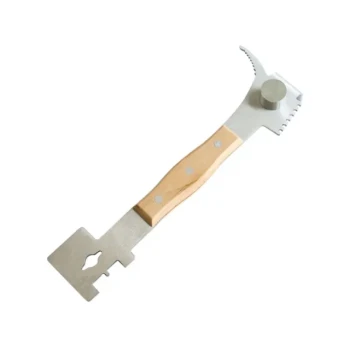
- Multi-Function Hive Tool with Integrated Hammer for Beekeeping
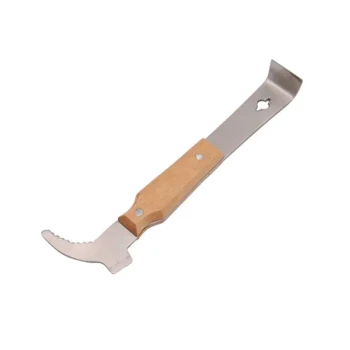
- HONESTBEE Professional Multi-Functional Hive Tool with Ergonomic Wood Handle
- Multi-Function Plier-Style Frame Grip Hive Tool
- Professional Ant-Proof Beehive Stand with Integrated Moat for Beekeeping
- Assembled Wooden Bee Frames with Plastic Foundation for Durability and Convenience by HONESTBEE
People Also Ask
- What are the benefits of a multi-functional hive tool? Streamline Your Apiary Workflow with One Tool
- What advantages do multi-functional hive tools offer? Maximize Your Apiary Efficiency and Workflow
- What specific challenges do beekeeping hive tools address during hive maintenance? Essential Solutions for Apiaries
- What specific functions does a multi-functional Hive Tool perform? Essential Lever & Scraper Roles for Hive Care
- How does the genetic identification of honeybee populations influence the selection of beekeeping tools? Precision Gear Guide