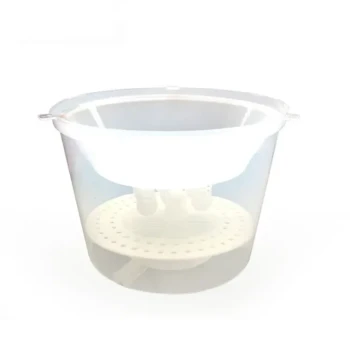
Oil-filled traps function as mechanical interceptors placed directly between the top bars of hive frames to passively capture pests. They operate by creating a selective barrier: specifically sized apertures allow Small Hive Beetles to enter a reservoir of vegetable or mineral oil while physically excluding larger honeybees. Once inside, the oil acts as a drowning agent, effectively reducing the adult beetle population without the use of chemical pesticides.
The Core Mechanism These devices exploit the natural defensive behavior of the honeybee colony. As worker bees chase beetles away from the comb, the beetles seek shelter in the trap's "safe" crevices, where the high-viscosity oil acts as an inescapable, physical killing medium.
Precise Physical Exclusion
The primary function of the trap is based on size discrimination. It filters the hive inhabitants to ensure only the pest is targeted.
The Aperture Mechanism
The lid or entry points of the trap are manufactured with specific aperture sizes. These slots are wide enough to permit the passage of a Small Hive Beetle but narrow enough to prevent the thorax of a honeybee from passing through.
Selective Entry
This design ensures that while beetles can flee into the trap, bees are physically blocked from entering. This prevents accidental bee mortality and keeps the oil reservoir isolated from the colony's daily activities.
Exploiting Pest Behavior
Beyond simple mechanics, these traps leverage the biological instincts of both the predator (the beetle) and the defender (the bee).
The "Safe Haven" Illusion
Small Hive Beetles instinctively seek out dark, tight crevices to hide from bee aggression. The trap mimics these natural hive crevices, acting as a lure. The beetles perceive the trap as a refuge rather than a threat.
Forced Migration
Honeybees naturally harass and chase beetles found on the frames. By placing the trap between top bars, you utilize the bees' defensive driving force. The bees effectively herd the beetles into the trap, pushing them through the apertures where they can no longer be reached by the bees.
The Lethality of the Medium
Once the beetle enters the trap, the oil serves as a dual-action killing agent.
Suffocation via Viscosity
The trap is filled with a consumable, food-grade oil (such as vegetable or mineral oil). Upon contact, this high-viscosity fluid coats the beetle's body. Specifically, it blocks the spiracles (breathing tubes), leading to death by suffocation.
Immobilization
The surface tension of the oil prevents the beetle from climbing back out. Unlike water, which a beetle might swim across or climb out of, the oil coats the insect and weighs it down, ensuring that once they fall in, escape is mechanically impossible.
Operational Trade-offs
While effective, this mechanical control method requires specific management to remain safe and useful.
Maintenance Intensity
These are not "set and forget" devices. As beetles are captured, the trap fills with debris. To maintain the trap's "luring" capacity and prevent spoilage, the oil must be refreshed, and dead beetles removed regularly.
Risk of Contamination
Because these traps hold liquid oil directly above the brood nest or honey supers, careful handling is essential. Tilting the hive or clumsy removal of frames can spill oil onto the bees or comb, causing disruption to the colony.
Making the Right Choice for Your Goal
Oil traps are a physical tool for population management, best used as part of a broader Integrated Pest Management (IPM) strategy.
- If your primary focus is Monitoring: Use these traps to gauge the severity of an infestation; a high daily catch rate indicates a need for immediate intervention.
- If your primary focus is Chemical-Free Control: Deploy these traps to mechanically lower the adult beetle population and break the breeding cycle without introducing veterinary drugs into the hive.
Success relies on placement precision: the trap must be accessible to beetles fleeing across the top bars but secure enough to avoid contaminating the hive.
Summary Table:
| Feature | Mechanism | Benefit to Beekeeper |
|---|---|---|
| Aperture Design | Selective sizing permits beetles while excluding honeybees | Zero accidental bee mortality |
| Physical Trap | Mimics dark crevices that beetles seek for shelter | High capture rate via natural behavior |
| Oil Medium | Suffocates beetles and prevents escape via surface tension | Chemical-free, food-grade pest control |
| Placement | Positioned between top bars for maximum traffic | Intercepts pests driven by worker bees |
Maximize Your Colony Health with HONESTBEE Professional Equipment
At HONESTBEE, we understand the challenges of managing commercial apiaries and the high standards required by distributors. Our comprehensive range of beekeeping tools, specialized hardware, and essential consumables are designed to improve efficiency and protect your investment. From high-capacity honey-filling machines to durable hive-making equipment, we provide the industrial-grade solutions you need to scale your operations.
Ready to elevate your beekeeping business?
Contact our wholesale experts today to discuss how our full-spectrum equipment portfolio and cultural merchandise can add value to your distribution network.
References
- Peter Neumann, Marc Oliver Schäfer. Quo vadis Aethina tumida? Biology and control of small hive beetles. DOI: 10.1007/s13592-016-0426-x
This article is also based on technical information from HonestBee Knowledge Base .
Related Products
- Reusable Aluminium Beetle Trap for Small Hive Beetles Silver Bullet
- Removable Washable Hive Beetle Trap Attractants for Small Hive Beetles
- Black Plastic Beetle Barn Hive Beetle Trap for Beehives
- Plastic Beetle Blaster Trap Beekeeping Tools and Supplies
- Reusable Clear Small Hive Beetle Traps for Beehives Beetle Trapping Tools
People Also Ask
- How should powdered substances be used in beetle traps for hive beetle control? Expert Guide for Maximum Colony Protection
- Why are beetle traps less effective during winter? Seasonal Shifts in Pest Control Explained
- When is the best time to use small hive beetle traps in cold climates? Protect Your Honeybee Winter Stores Now
- When and how should disposable traps for small hive beetles be removed? Master Hive Hygiene and Efficiency
- How do small hive beetle traps contribute to colony management? Enhance Diagnostic Accuracy and Protect Hive Health