Pollen traps function as mechanical interceptors installed directly at the hive entrance to gauge foraging success. By forcing returning worker bees to pass through a specific grid, these devices strip pollen pellets from their hind legs and collect them in a drawer, providing a tangible, weighable metric of the colony's natural collection activity.
By quantifying the amount of pollen returned to the hive, these traps provide hard data on colony behavior. This allows researchers and beekeepers to evaluate how variables, such as supplemental nutrition, directly influence the colony's drive to forage.
The Mechanics of Data Collection
The Physical Interception
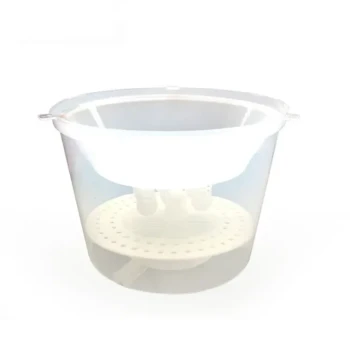
Pollen traps utilize a grid device with specifically sized apertures placed at the hive entrance.
As returning foragers pass through these holes, the mechanical action gently dislodges the pollen loads carried on their hind legs.
Quantitative Weighing
The dislodged pollen falls into a collection drawer beneath the grid, separating it from the colony's immediate consumption.
This accumulated material can be weighed and analyzed, transforming abstract flight activity into concrete, numerical data regarding the colony's natural resource intake.
Analyzing Foraging Behavior
Evaluating Supplemental Diets
The primary analytical use of pollen traps is to assess the impact of artificial interventions.
By measuring the natural pollen collected while a colony is being fed supplements, researchers can determine if the extra food reduces the bees' natural drive to forage or if their activity levels remain consistent.
Measuring Compensatory Activity
Using a pollen trap alters the internal resource balance of the hive by moderately reducing available protein sources.
This deficit often stimulates compensatory foraging, driving worker bees to increase flight frequency. Monitoring this increase helps assess the colony's overall vigor and responsiveness to resource scarcity.
Understanding the Trade-offs
Impact on Colony Nutrition
While effective for data collection, pollen traps physically deprive the colony of a portion of its protein source.
Extended use without careful monitoring can lead to nutritional stress, potentially stunting brood development if the colony cannot forage fast enough to compensate for the loss.
The "Observer Effect"
It is important to recognize that the trap itself modifies the behavior it is measuring.
Because the trap induces compensatory foraging, the data reflects a "stimulated" level of activity rather than a purely passive baseline of natural behavior.
Applying This to Your Apiary Management
If your primary focus is Research and Nutrition:
- Use the weight of trapped pollen to determine if your supplemental feeds are effectively substituting for natural pollen or merely suppressing natural foraging instincts.
If your primary focus is Colony Vigor:
- Monitor the colony's ability to increase pollen intake in response to the trap; a failure to compensate may indicate a weak or failing workforce.
If your primary focus is Commercial Production:
- Utilize the traps to harvest pollen as a commodity, but implement a rotation schedule to ensure the hive retains enough protein for healthy brood rearing.
Pollen traps bridge the gap between observation and analysis, converting biological flight activity into measurable data.
Summary Table:
| Feature | Function & Impact |
|---|---|
| Mechanism | Mechanical grid dislodges pollen pellets from worker bees' legs at the hive entrance. |
| Data Output | Provides weighable, concrete metrics of natural resource intake and flight frequency. |
| Research Use | Evaluates how supplemental nutrition or environmental changes influence foraging drive. |
| Colony Response | Stimulates 'compensatory foraging,' helping to assess colony vigor and workforce strength. |
| Management | Essential for commercial pollen harvesting and scientific monitoring of hive nutrition. |
Maximize Your Apiary Productivity with HONESTBEE
At HONESTBEE, we specialize in empowering commercial apiaries and distributors with the high-performance tools required for modern beekeeping. Whether you are looking to integrate advanced pollen traps for research or scale your operations with industrial hive-making and honey-filling machinery, our comprehensive wholesale portfolio has you covered.
From essential industry consumables to specialized hardware and honey-themed cultural merchandise, we provide the end-to-end equipment needed to turn biological activity into commercial success.
Ready to elevate your beekeeping business? Contact us today to explore our full spectrum of professional tools and machinery!
References
- Saboor Ahmad, Aziz Gül. Comparative assessment of various supplementary diets on commercial honey bee (Apis mellifera) health and colony performance. DOI: 10.1371/journal.pone.0258430
This article is also based on technical information from HonestBee Knowledge Base .
Related Products
- Removable Plastic Pollen Trap With Ventilated Tray for Bees Pollen Collector
- 30 cm Plastic Entrance Hole Bee Pollen Trap and Collector
- Plastic Bee Pollen Trap Strips Comb Catcher Collector
- High-Efficiency Diamond Maze Bee Escape for Clearing Supers
- Professional Bucket Style Wasp and Moth Pheromone Trap
People Also Ask
- What are the design principles and advantages of pollen traps in the collection of bee pollen? Boost Your Apiary Yield
- What is the function of professional pollen traps in evaluating honey plants? Quantifying Pollination and Crop Potential
- What functions do pollen traps serve for bee bread production? Optimize Your Raw Material Collection
- What maintenance and pest prevention measures should be taken for pollen traps? Protect Your Hive and Harvest Quality
- How does the use of pollen traps in honeybee hives enhance crop fertilization? Boost Your Yield Through Induced Activity