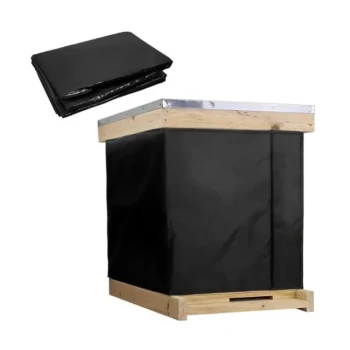
Polystyrene and Hessian materials serve as critical thermal barriers when placed directly over hive frames or around the hive’s exterior. By creating an insulation layer, these materials significantly reduce the rate of heat loss from the colony, allowing the bees to maintain their cluster temperature during extreme cold without exhausting their energy reserves.
Core Takeaway: Insulation is not about heating the hive, but about energy conservation. By minimizing heat dissipation, these covers reduce the metabolic stress on the colony, preventing freezing deaths and preserving vital resources for a faster population recovery in the spring.
The Mechanics of Thermal Protection
Creating a Physical Barrier
Polystyrene and Hessian act as physical shields against the elements. Whether placed directly on top of the frames (the "crown board" area) or wrapped around the exterior, they trap the heat generated by the bee cluster.
Stabilizing Internal Temperatures
The primary function of this insulation is to prevent rapid temperature fluctuations. By maintaining a stable internal environment, the colony avoids the shock of sudden freezes, which is a primary cause of winter mortality.
Energy Conservation and Colony Health
Reducing Metabolic Burn
Honeybees generate heat by vibrating their flight muscles, a process that consumes their honey stores. Effective insulation reduces the amount of work required to maintain the cluster's core temperature.
Preserving Food Stores
Because the bees expend less energy heating the hive, they consume their winter food stores at a slower rate. This conservation is crucial for ensuring the colony has enough food to survive until the first nectar flow of spring.
Impact on Spring Recovery
Accelerating Population Rebound
The benefits of overwintering covers extend beyond simple survival. A colony that exits winter with more energy and better health can begin brood rearing earlier and more efficiently.
Faster Colony Expansion
The primary reference notes that insulated colonies experience faster population recovery. This early start is essential for maximizing honey production later in the season.
Understanding the Trade-offs
The Moisture Variable
While retaining heat is vital, you must also manage humidity. Supplementary data indicates that maintaining stable humidity is just as important as temperature; excess moisture trapped by impermeable insulation can lead to condensation.
Balancing Ventilation
If you use materials like polystyrene, which do not breathe as easily as natural fibers, ensure adequate ventilation. Cold is manageable for bees, but wet and cold conditions are often fatal due to mold growth and freezing condensation.
Making the Right Choice for Your Goal
To apply this effectively, consider your specific climate and colony status:
- If your primary focus is Survival in Extreme Cold: Prioritize high-density polystyrene or double-walled structures to provide the maximum R-value (thermal resistance) and minimize caloric burn.
- If your primary focus is Moisture Management: Consider Hessian or breathable fiber insulation layers that retain heat while allowing metabolic moisture to escape, reducing the risk of internal condensation.
The most successful overwintering strategy combines effective thermal insulation with just enough ventilation to keep the colony dry and efficient.
Summary Table:
| Material | Insulation Property | Moisture Management | Best Use Case |
|---|---|---|---|
| Polystyrene | High (High R-value) | Low (Non-breathable) | Extreme cold; maximizing heat retention. |
| Hessian | Moderate | High (Breathable) | Managing humidity and preventing condensation. |
| Combination | Variable | Balanced | Mild-to-cold climates with high winter humidity. |
Maximize Your Colony’s Survival with HONESTBEE
Protect your investment and ensure a thriving spring harvest. At HONESTBEE, we specialize in supporting commercial apiaries and distributors with the high-performance tools and machinery needed for successful large-scale beekeeping. From specialized hive-making equipment to essential overwintering consumables, we provide the full spectrum of wholesale solutions tailored to the industry’s professional needs.
Ready to scale your apiary's efficiency? Contact our expert team today to discuss your wholesale requirements.
References
- Sara Imène Betina, Naima Benkenana. Survey on the Situation of the Beekeeping Sector in Two Localities in Northeastern Algeria. DOI: 10.18805/ajdfr.drf-550
This article is also based on technical information from HonestBee Knowledge Base .
Related Products
- Professional Insulated Winter Hive Wrap for Beekeeping
- Inner Beehive Cover for Beekeeping Bee Hive Inner Cover
- Telescopic Beehive Outer Cover Lid Roof with Galvanised Sheeting for Langstroth Hive and Beehive Outer Cover
- Professional Insulated Plastic Bee Hives
- Plastic Bee Hive Stand for Beekeeping
People Also Ask
- What are the steps to properly wrap a beehive for winter? Ensure Your Colony Survives the Cold
- When is the best time to wrap a beehive for winter? A Guide to Perfect Winterization Timing
- How do professional insulation wraps provide protection for bee colonies? Optimize Winter Survival & Energy Efficiency
- What are the technical benefits of using winter wraps for beehive insulation? Boost Colony Survival & Hive Health
- What are the benefits of using insulated covers for hives? Ensure Colony Survival and Health