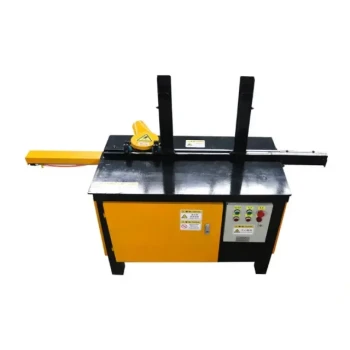
Precision grading sieves function as the definitive mechanical filter in the final stage of bee bread production, relying on strict size-based discrimination. They utilize mesh screens with pore sizes calibrated to be slightly smaller than the average bee bread granule, allowing the desired product to remain distinct while effectively separating finer particulate matter.
The core value of this process lies in terminal quality control. By physically isolating the finished product from microscopic crushing residues, these sieves ensure the final output meets the high purity and visual standards required for commercial sale.
The Mechanics of Terminal Purification
Size-Based Discrimination
The fundamental principle of the precision grading sieve is physical size differentiation. The equipment is configured with a mesh screen specifically selected based on the diameter of the bee bread granules.
The Retention Strategy
The pore size of the screen is critical; it is set slightly smaller than the average bee bread granule. This ensures that the valuable bee bread is retained on the surface of the screen, while smaller particles fall through.
Targeted Debris Removal
This configuration is designed to target specific microscopic impurities left over from the crushing process. The sieve allows residual fine wax powder and cocoon fragments to pass through the mesh, effectively detaching them from the final product.
Elevating Product Standards
The Final Quality Barrier
This stage serves as the last line of defense in the production line. It is the terminal impurity removal stage, meaning any contaminant that passes this point will likely end up in the consumer's hands.
Enhancing Commercial Appearance
Beyond basic purity, the sieving process significantly improves the product's visual appeal. By stripping away the dust and fine debris, the remaining bee bread appears cleaner and more uniform, which is essential for commercial viability.
Critical Considerations and Trade-offs
The Risk of Incorrect Calibration
The effectiveness of this process hinges entirely on precise mesh sizing. If the pore size is too large, valuable bee bread granules may be lost along with the waste; if too small, finer wax particles may fail to filter out, compromising purity.
Limitations of Physical Screening
While effective for size-based separation, standard sieves rely on the impurity being physically smaller than the product. Contaminants that are identical in size to the bee bread granules cannot be removed by this specific mechanism alone.
Optimizing Your Purification Strategy
To ensure your production line achieves maximum efficiency, align your equipment settings with your specific output goals:
- If your primary focus is Maximum Purity: Ensure your mesh pore size is strictly calibrated to permit the passage of even the smallest wax micro-particles and cocoon fragments.
- If your primary focus is Yield Retention: Monitor the sieve output carefully to ensure that viable bee bread granules are not being discarded due to overly aggressive mesh sizing.
True production excellence is achieved when you balance mechanical precision with a clear understanding of your raw material's physical properties.
Summary Table:
| Feature | Function in Purification | Key Benefit |
|---|---|---|
| Mesh Calibration | Matches pore size to granule diameter | Ensures consistent product sizing |
| Size Discrimination | Retains granules while passing fine debris | Removes residual wax and cocoon dust |
| Retention Strategy | Uses screens slightly smaller than granules | Minimizes product loss during filtration |
| Terminal Filter | Acts as the final quality barrier | Guarantees high visual appeal for market |
Elevate Your Commercial Apiary with HONESTBEE Solutions
At HONESTBEE, we specialize in empowering commercial apiaries and distributors with high-performance beekeeping machinery and tools. Whether you need precision honey-filling machines, professional hive-making equipment, or specialized processing tools like grading sieves, our comprehensive wholesale offering is designed to scale your production and ensure market-leading purity.
Don't let impurities compromise your brand value. Partner with us to access professional-grade hardware and essential consumables tailored to your business needs.
Contact HONESTBEE Today to Optimize Your Production Line
References
- Piotr Semkiw, P. Skubida. Bee Bread Production—A New Source of Income for Beekeeping Farms?. DOI: 10.3390/agriculture11060468
This article is also based on technical information from HonestBee Knowledge Base .
Related Products
- HONESTBEE Bee Frame Grooving Machine | Precision Slotting for Bee Frame Making
- Precision Stainless Steel Frame Cleaner for Hive Grooves and Corners
- Stainless Steel Double Layer Honey Strainer Sieve Filters
People Also Ask
- How does a bee frame making machine work? A Guide to Automated Metal Frame Production
- What are the qualities of the bee frame forming machine? Durable, Efficient, and Built to Last
- How long do bee frames last? A Guide to Lifespan and Replacement for Healthy Hives
- Can old bee frames be reused? Weighing the Risks vs. Rewards for Your Hive
- What should a healthy bee frame look like? Identify a Thriving Colony with These Key Signs