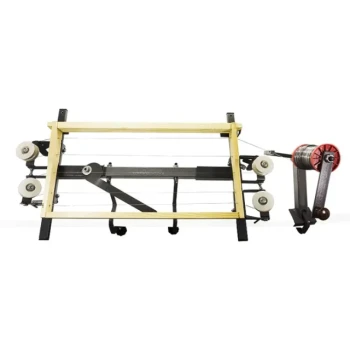
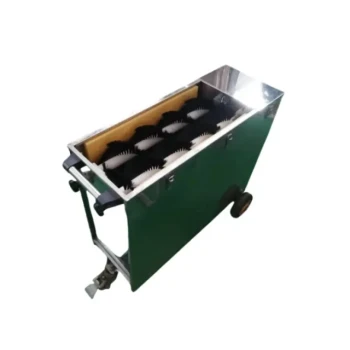
Professional beekeeping tools act as the critical infrastructure for standardized production by replacing inconsistent, manual methods with systematic, scientific processes. By utilizing specialized hives, precise honey extractors, and protective gear, small-scale apiaries can achieve a uniform baseline of efficiency and purity that is essential for both commercial scalability and value-added processing.
By transitioning from traditional practices to hardware-supported operations, beekeepers minimize variable factors such as contamination and labor intensity. This shift ensures raw honey consistently meets the strict quality thresholds required for advanced refining and organic certification.
Establishing a Scientific Production Model
The Shift from Manual to Systematic
The primary contribution of professional equipment is the transition from traditional collection to a scientific production model.
Standardized tools allow beekeepers to move away from arbitrary manual methods. This creates a predictable workflow where every step, from hive management to extraction, follows a repeatable process.
Optimizing Hive Architecture
Standardized hives are not merely wooden boxes; they utilize scientific frame and foundation designs.
These designs guide honeybees in orderly nest building, which optimizes the use of storage space. This structure facilitates regular inspections and streamlines the harvesting process, serving as the hardware foundation for commercialization.
Precision in Extraction
Using professional honey extractors (centrifuges) rather than manual crushing or straining methods fundamentally changes the output.
This machinery allows for the rapid separation of honey without destroying the comb. It ensures a higher level of purity before the honey ever enters the processing stage, reducing the workload for downstream refining.
Operational Efficiency and Scale
Reducing Labor Intensity
A major barrier for small-scale apiaries is the physical labor required to manage colonies.
specialized tools and machinery significantly reduce labor intensity. By automating or mechanically assisting with heavy lifting and processing, apiaries can expand their production scale effectively even in the face of rising labor costs.
Enabling Migratory Beekeeping
Standardization extends beyond the static apiary through the use of specialized mobile equipment and transport machinery.
This hardware enables migratory beekeeping, allowing colonies to be relocated rapidly to follow seasonal floral cycles. This maximizes the collection capacity per hive by leveraging diverse climatic conditions and supports agricultural pollination services.
Customization for Local Optimization
Interestingly, standardization does not mean rigidity; specialized machinery allows for the manufacturing of tools adapted to local conditions.
Beekeepers can use these tools to customize hives and equipment for specific bee species and local environments. This improves ergonomic performance for the operator and enhances the durability of the tools, leading to higher overall efficiency.
Quality Control and Colony Health
Ensuring Hygiene and Organic Standards
Professional tools are the essential hardware support for maintaining the high standards required for organic honey production.
Modern extraction equipment is designed to prevent external contamination and ensure hygiene. This is critical for meeting safety requirements and ensuring consistency across batches.
Minimizing Colony Stress
Standardized tools improve the precision of pest and disease control while minimizing physical disturbances to the bees.
By optimizing the internal hive environment and reducing stress during management, professional equipment increases the yield per colony. This helps reduce production disparities between different regions, making output more predictable.
Understanding the Trade-offs
Initial Investment vs. ROI
While professional tools drive standardization, they represent a significant capital expenditure for small-scale operations.
Apiaries must carefully calculate the Return on Investment (ROI). Investing in industrial-grade extraction machinery is only financially viable if the colony count is sufficient to justify the reduction in labor costs.
Adaptation Curve
Transitioning from traditional methods to a scientific model requires a shift in mindset and technical skill.
Beekeepers must learn to operate and maintain complex machinery. The reliance on specialized consumables and hardware means the operation becomes dependent on the supply chain, unlike traditional methods which may rely on locally sourced, simpler materials.
Making the Right Choice for Your Goal
To leverage professional tools for standardization effectively, align your equipment choices with your specific operational focus:
- If your primary focus is Purity and Certification: Prioritize stainless steel extraction machinery and hive components that guarantee hygiene and minimize external contamination.
- If your primary focus is Volume and Scale: Invest in migratory transport equipment and mechanized processing tools to maximize yield per hive and reduce labor intensity.
- If your primary focus is Colony Health: Focus on scientifically designed frames and foundations that optimize the hive environment and facilitate low-stress inspections.
True standardization is not just about buying tools; it is about adopting the disciplined, systematic workflow that those tools make possible.
Summary Table:
| Aspect of Production | Professional Tool Contribution | Key Benefit |
|---|---|---|
| Hive Management | Standardized Frame & Foundation Designs | Orderly nest building & easier hive inspections |
| Harvesting | Centrifugal Honey Extractors | High purity & preservation of reusable wax combs |
| Scalability | Migratory Transport Machinery | Enables seasonal relocation to maximize floral cycles |
| Hygiene | Stainless Steel Processing Gear | Meets organic certification & food safety standards |
| Operations | Mechanized Lifting & Processing Tools | Significant reduction in labor intensity & physical strain |
Scale Your Apiary with HONESTBEE’s Professional Solutions
Standardizing your honey production requires more than just technique—it demands the right industrial infrastructure. HONESTBEE empowers commercial apiaries and distributors with a comprehensive wholesale range of high-performance beekeeping tools and machinery.
Whether you need precision honey-filling machines, durable hive-making hardware, or essential industry consumables, we provide the end-to-end equipment necessary to improve yield, ensure purity, and lower labor costs.
Ready to elevate your production standards?
Contact us today to explore our wholesale portfolio and see how our expertise can grow your beekeeping business.
References
- Paulo Giovanni Giarola, Eduardo Giarola. CONSULTANCY AND ADVISORY IN PUBLIC MANAGEMENT: A CASE STUDY OF THE INSERTION OF HONEY IN SCHOOL MEALS IN THE MUNICIPALITY OF SÃO JOÃO DA PONTE/ MG. DOI: 10.22533/at.ed.2162172209095
This article is also based on technical information from HonestBee Knowledge Base .
Related Products
- HONESTBEE Professional Mini J-Hook Hive Tool for Beekeeping
- Professional 600D Oxford Cloth Beekeeping Tool Bag with 8 Pockets and Elastic Loops
- Stainless Steel J Hook Hive Tool for Beekeeping
- HONESTBEE Classic Pry Bar Hive Tool with High Visibility Finish for Beekeeping
- HONESTBEE Advanced Ergonomic Stainless Steel Hive Tool for Beekeeping
People Also Ask
- What specific challenges do beekeeping hive tools address during hive maintenance? Essential Solutions for Apiaries
- What is the recommended method for storing beekeeping tools? Expert Vertical Storage Solutions for Your Apiary
- Why is the treatment of beekeeping tools with high-concentration chemical disinfectants necessary for preventing AFB?
- How does a favorable microclimate interact with beekeeping tools? Boost Overwintering Success and Equipment Longevity
- What are the features of a J-hook hive tool? Effortlessly Lift Frames with Superior Leverage