Transforming raw honey into artisanal products is a strategic mechanism for maximizing the economic output of an apiary. Secondary goods like honey vinegar and mead add value by converting a commodity ingredient into premium consumer beverages, allowing producers to capture higher profit margins and diversify their revenue streams without necessarily expanding their hive count.
By shifting focus from raw material sales to value-added processing, beekeeping enterprises can significantly boost profitability. This integration allows the apiary to retain its primary agricultural status while operating with the economic leverage of a manufacturer.
The Economic Impact of Value-Added Goods
Elevating Profit Margins
The most immediate benefit of producing honey vinegar and mead is the shift in unit economics. Instead of selling raw honey at commodity prices, beekeepers use it as a base ingredient for high-value finished goods. This processing step unlocks higher profit margins, as the market value of a bottle of mead or artisanal vinegar far exceeds the value of the raw honey required to produce it.
Diversifying the Product Portfolio
Relying solely on raw honey leaves an enterprise vulnerable to market fluctuations and harvest variability. Introducing shelf-stable beverages creates a diversified product portfolio. This ensures that the enterprise has multiple revenue channels, reducing financial risk and appealing to a broader consumer base that extends beyond culinary honey buyers.
Increasing Total Economic Output
The integration of processing capability directly increases the total economic output of the apiary. By performing the value-added steps in-house—rather than selling raw honey to a third-party processor—the beekeeper retains the full economic value generated throughout the production chain.
Regulatory and Operational Advantages
Retaining Agricultural Status
A critical advantage of this specific value chain extension is the regulatory classification. Regulatory frameworks typically permit beekeeping enterprises to process their own raw materials into derivatives like vinegar and mead while maintaining their primary agricultural status. This allows the business to evolve into a processing entity without losing the benefits often afforded to agricultural producers.
Vertical Integration of the Supply Chain
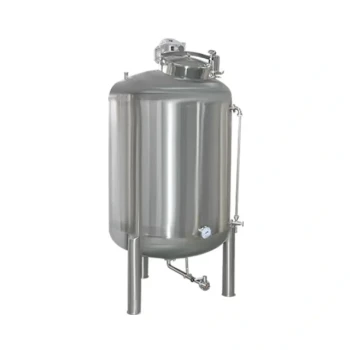
Producing these goods represents a move toward vertical integration. By utilizing specialized processing equipment—such as constant-temperature heating vessels and mixers—beekeepers control the entire lifecycle of the product. This control ensures quality consistency and allows for the development of a unique brand identity that is difficult for competitors to replicate.
Understanding the Trade-offs
Equipment and Capital Investment
While the profit potential is higher, value-added production requires an upfront investment in specialized processing infrastructure. Converting raw honey into mead or vinegar requires specific tools, such as fermentation tanks, heating vessels, and bottling lines, which adds operational overhead compared to simple honey extraction.
Operational Complexity
Moving from extraction to formulation introduces new complexities. Producers must master the science of fermentation and formulation. Unlike raw honey, which requires minimal intervention, manufactured beverages require precise control over variables like temperature and mixing to ensure a safe, high-quality product.
Making the Right Choice for Your Goal
To determine if integrating honey vinegar and mead is the right strategy for your operation, consider your primary objectives:
- If your primary focus is maximizing profit per hive: Focus on converting a portion of your harvest into mead, as the markup on alcoholic beverages generally offers the highest return on investment for the raw ingredient.
- If your primary focus is risk management: Develop a line of honey vinegar to create a shelf-stable product that diversifies your offering and buffers against fluctuations in raw honey prices.
Success in this sector comes not just from harvesting honey, but from effectively leveraging processing capabilities to capture the full value of what your hives produce.
Summary Table:
| Feature | Raw Honey Production | Value-Added Processing (Mead/Vinegar) |
|---|---|---|
| Profit Margin | Lower (Commodity Pricing) | Higher (Premium Consumer Pricing) |
| Market Risk | High (Harvest & Price Volatility) | Lower (Diverse & Shelf-Stable Portfolio) |
| Capital Requirement | Standard Extraction Tools | Specialized Fermentation & Processing Machinery |
| Business Role | Primary Producer | Manufacturer & Brand Owner |
| Operational Focus | Hive Management & Harvesting | Formulation, Temperature Control & Bottling |
Scale Your Apiary's Profitability with HONESTBEE
Transitioning from raw honey production to high-margin secondary goods requires more than just honey—it requires the right industrial infrastructure. HONESTBEE specializes in empowering commercial apiaries and distributors with the comprehensive tools needed for vertical integration.
Whether you are looking to install specialized honey-filling machines, high-efficiency honey-making machinery, or source professional-grade beekeeping equipment and consumables, we provide the end-to-end solutions your business needs to grow. Our expertise helps you capture the full value of your production chain, from hive hardware to cultural merchandise.
Ready to elevate your beekeeping enterprise? Contact HONESTBEE today to discuss our wholesale offerings and industrial machinery solutions.
References
- Krzysztof Różański. Działalność pszczelarska we włoskim systemie prawnym. DOI: 10.14746/ppr.2018.23.2.13
This article is also based on technical information from HonestBee Knowledge Base .
Related Products
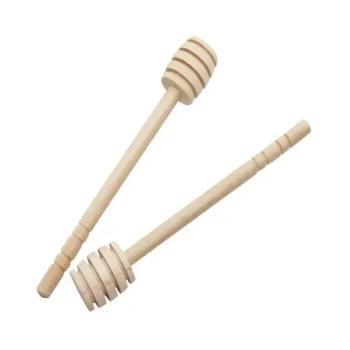
- Natural Wood Honey Dipper for Tea Coffee and Desserts
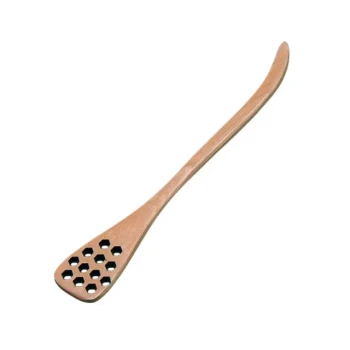
- Modern Honeycomb Pattern Wooden Honey Dipper for Stirring and Drizzling
- Honey Concentrating Vacuum Heating Thickening Machine Dehumidifier for Honey
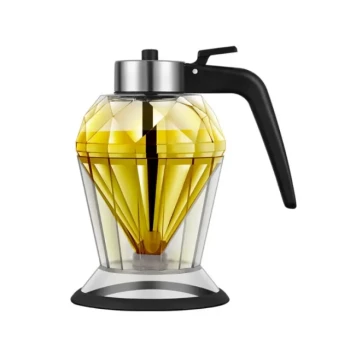
- Premium Diamond-Faceted Glass Honey Dispenser
- High Quality Honey Dehumidifier Dryer Thickening Machine for Beekeeping
People Also Ask
- What is the proper method for cleaning a honey dipper? Maintain Pure Flavor with These Easy Pro Tips
- What is a honey dipper? Master the Art of the Perfect Drizzle with This Essential Tool
- What is a honey taking spoon called? Discover the Tool for a Perfect, Mess-Free Drizzle
- What is a honey dipper and what is it used for? A Guide to Mess-Free Drizzling
- How do you clean and store a honey dipper? Simple Steps for Long-Lasting Performance