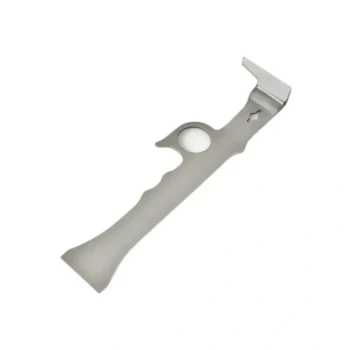
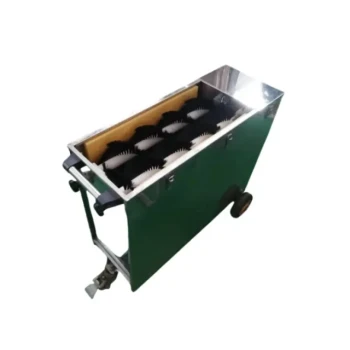
Specialized beekeeping tools facilitate management by enabling minimally invasive interventions that preserve the intricate internal structures of stingless bee nests. Unlike standard apiary equipment, these precision instruments allow technicians to perform routine inspections and harvest honey without destroying delicate wax brood chambers or cerumen honey pots, ensuring the colony's structural integrity and biological stability.
Core Takeaway: The unique architecture of stingless bee nests—comprised of irregular pots rather than uniform combs—requires a non-destructive management approach. Specialized tools are essential to interact with the colony without triggering a stress response or structural collapse, safeguarding the queen and ensuring sustainable productivity.
Preserving Delicate Nest Architecture
The primary challenge in managing stingless bees (Meliponiculture) is the complex, irregular arrangement of their nests. Standard tools often crush the fragile storage pots, leading to resource loss and colony aggression.
Precision Inspection
Stingless bee nests contain intricate wax brood chambers that are easily damaged by blunt force. Specialized inspection knives and fine tweezers allow beekeepers to navigate these structures carefully. This precision prevents accidental damage to the brood, which is critical for colony expansion.
Protecting the Queen
The disruption caused by clumsy intervention can endanger the queen, the single point of failure for the colony. By using tools designed for minimally invasive intervention, you reduce the chaos during hive checks. This ensures the queen remains safe, maintaining the high-density populations required for tasks like citrus orchard pollination.
Achieving Non-Destructive Harvests
Harvesting from stingless bees requires a fundamentally different mechanical approach than traditional Apiculture. Because honey is stored in closed cerumen pots, centrifugal extractors are ineffective.
Negative Pressure Extraction
Specialized suction pumps and injectable tools are used to extract honey directly from individual pots. This method is non-destructive, meaning the bees do not have to rebuild their entire storage infrastructure after every harvest.
Improving Recovery Time
When the nest structure remains intact, the colony conserves significant energy. This allows the bees to refocus immediately on foraging rather than reconstruction, significantly reducing the time required for the colony to recover between harvests.
Mitigating Environmental and Biological Risks
Stingless bees have limited defensive capabilities compared to honeybees, making them highly vulnerable to predators and climate fluctuations. Specialized hardware bridges this defense gap.
Phorid Fly Control
Pests like the phorid fly (Pseudohypocera kerteszi) can decimate a colony by laying eggs in broken resources. Specialized traps utilizing acidic lures (vinegar solutions) intercept these pests before they enter the hive. This is a critical biological control mechanism to prevent larval mortality.
Environmental Monitoring
Because these bees are sensitive to microclimates, temperature and humidity recorders provide essential real-time data. This telemetry allows beekeepers to intervene before environmental stress leads to colony loss.
High-Precision Housing
Specialized woodworking machinery produces hives with superior sealing properties. These precision-manufactured hives offer better physical protection against predators and stabilize the internal temperature, increasing survival rates in managed environments.
Operational Efficiency and Safety
While stingless bees lack functional stingers, their defensive behaviors—such as biting or crawling into orifices—can disrupt apiary operations.
Reducing Operator Stress
Lightweight, breathable protective suits and veils provide a necessary physical barrier. This equipment reduces the psychological burden on the technician, allowing them to focus entirely on the delicate task at hand rather than reacting to defensive swarms.
Enhancing Workflow
By removing the distraction of defensive bees, these protective tools enable faster, more precise colony splitting and inspections. This directly improves the overall efficiency of apiary management.
Understanding the Trade-offs
While specialized tools offer significant advantages, they introduce specific constraints that apiarists must manage.
Increased Time Investment
The use of precision tools, such as suction pumps and fine tweezers, is inherently slower than bulk processing methods. You trade speed for sustainability, requiring more labor hours per hive during harvest and inspection.
Equipment Maintenance
Delicate instruments and electronic monitoring systems require higher maintenance than rugged standard hive tools. Keeping suction pumps hygienic and sensors calibrated is a continuous operational requirement that adds to the complexity of management.
Making the Right Choice for Your Goal
Selecting the right toolset depends heavily on your specific objectives for the apiary.
- If your primary focus is Commercial Pollination: Prioritize non-invasive inspection tools to maximize queen safety and maintain high population density for crop coverage.
- If your primary focus is Honey Production: Invest in negative pressure suction pumps to ensure hygienic extraction and rapid colony recovery for frequent harvesting.
- If your primary focus is Conservation: Focus on environmental monitoring sensors and precision hives to protect vulnerable colonies from predators and climate stress.
Success in Meliponiculture relies not on force, but on the precision application of tools that respect the biology of the bee.
Summary Table:
| Tool Category | Primary Function | Key Benefit for Colony |
|---|---|---|
| Precision Knives/Tweezers | Navigating delicate brood chambers | Minimizes structural damage and protects the queen |
| Suction Pumps | Negative pressure honey extraction | Enables non-destructive harvest and rapid recovery |
| Phorid Fly Traps | Pest interception via acidic lures | Prevents larval mortality and resource contamination |
| Monitoring Sensors | Real-time climate telemetry | Reduces environmental stress and colony loss |
| Precision Hives | High-sealing protective housing | Enhances defense against predators and stabilizes temp |
Elevate Your Commercial Apiary with HONESTBEE
Are you a distributor or commercial apiary looking to master the complexities of Meliponiculture? HONESTBEE provides the industry's most comprehensive range of professional beekeeping solutions. From precision-manufactured hive machinery and honey-filling systems to specialized hardware and essential consumables, our portfolio is designed to enhance your operational efficiency and product quality.
Empower your business with tools built for biological stability and sustainable growth.
Contact us today to explore our wholesale offerings!
References
- Amalia Cabrera Núñez. Conservation and Productive Yield of the Bee without Sedel as a Pollinator in Citricultural Orchards. DOI: 10.23880/oajar-16000264
This article is also based on technical information from HonestBee Knowledge Base .
Related Products
- HONESTBEE Advanced Ergonomic Stainless Steel Hive Tool for Beekeeping
- Stainless Steel Queen Grafting Tool for Beekeeping and Bee Queen Grafting
- HONESTBEE Professional Mini J-Hook Hive Tool for Beekeeping
- HONESTBEE 15-in-1 Beekeeper Multi-Tool with Hammer and Pliers for Beekeeping
- Double Head Beekeeping Grafting Tools for Beekeepers
People Also Ask
- What specific challenges do beekeeping hive tools address during hive maintenance? Essential Solutions for Apiaries
- How does a favorable microclimate interact with beekeeping tools? Boost Overwintering Success and Equipment Longevity
- Why is the treatment of beekeeping tools with high-concentration chemical disinfectants necessary for preventing AFB?
- What is the recommended method for storing beekeeping tools? Expert Vertical Storage Solutions for Your Apiary
- What personal tools are required for handling bees and a hive? 4 Essential Gear Items for Safe Beekeeping