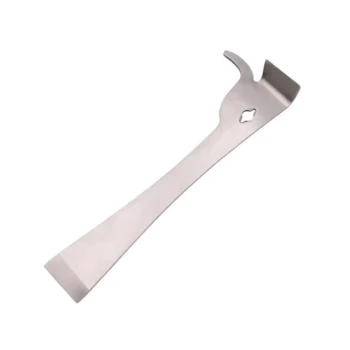
Specialized extraction tools form the backbone of sustainable beekeeping by maximizing yield while minimizing hive disturbance. These instruments allow apiarists to harvest honey, pollen, and propolis efficiently, ensuring the structural integrity of the colony is preserved during the process.
By enabling the harvest of high-purity by-products without requiring a higher quantity of bee colonies, specialized tools decouple economic growth from resource strain. They transform the apiary into a high-value, diversified production unit.
The Intersection of Biology and Technology
Preserving Colony Integrity
The primary function of specialized extraction tools is to facilitate harvesting without damaging the hive's ecosystem. Advanced equipment allows for the extraction of resources while maintaining the structural integrity of the colony, ensuring the bees remain undisturbed and healthy.
Automating Non-Intrusive Collection
Hardware such as entrance-mounted pollen traps and propolis collection grids are designed to operate passively. These devices automatically strip and accumulate by-products without disrupting normal bee life.
Reducing Physical Disruption
By utilizing these specialized collectors, beekeepers can avoid the frequent, intrusive manual inspections traditionally required for harvesting. This reduces stress on the bees and lowers the manual labor costs for the operator.
Economic Sustainability Through Diversification
Maximizing Output Per Unit
Sustainability in beekeeping is not just biological; it is also economic. Specialized refining equipment allows producers to increase the economic output of a single production unit (hive) through technical hardware rather than by expanding the number of colonies.
Unlocking High-Value Markets
Standard extraction methods often result in raw materials suitable only for basic food use. Professional extraction and refining equipment transform raw beeswax, propolis, and pollen into high-purity, pharmaceutical-grade materials.
Creating Resilience
Accessing the pharmaceutical and cosmetic markets extends the value chain significantly. By diversifying into these sectors, beekeepers create additional revenue streams, enhancing the financial resilience of the operation against fluctuations in honey prices.
Understanding the Trade-offs
The Shift to Technical Complexity
Adopting these tools moves beekeeping from a purely agricultural practice to a knowledge-based commercial model. It requires the operator to master technical workflows rather than relying solely on traditional husbandry intuition.
Capital Investment vs. Labor
While these tools reduce the "output-to-time ratio" and labor costs, they represent a shift toward capital-intensive operations. The sustainability of the model relies on the ability to sell into premium markets to recoup the investment in specialized hardware.
Making the Right Choice for Your Goal
To select the right extraction strategy, assess your current operational focus:
- If your primary focus is Commercial Scalability: Prioritize standardized inspection tools and automatic collectors to convert complex tasks into manageable, uniform workflows.
- If your primary focus is Market Expansion: Invest in refining equipment that processes raw by-products into pharmaceutical-grade materials to enter the cosmetics and industrial sectors.
- If your primary focus is Colony Health: Focus on passive hardware collectors like entrance traps that maximize yield without requiring invasive hive manipulation.
True sustainability is achieved when technical precision enhances economic value without compromising the biological engine of the hive.
Summary Table:
| Tool Type | Harvesting Method | Primary Benefit | Target Market |
|---|---|---|---|
| Pollen Traps | Passive Entrance-Mounted | Automated collection; no hive intrusion | Nutritional Supplements |
| Propolis Grids | Passive Collection | High-purity resin extraction | Pharmaceuticals & Cosmetics |
| Refining Equipment | Post-Harvest Processing | Converts raw materials to high-grade | Industrial & Medical |
| Advanced Extractors | Centrifugal / Mechanical | High yield with structural preservation | Commercial Food Supply |
Elevate Your Apiary's Efficiency with HONESTBEE
At HONESTBEE, we empower commercial apiaries and distributors with the technical hardware needed to transition from traditional husbandry to high-value commercial models. Our comprehensive wholesale offering includes everything from specialized hive-making and honey-filling machines to advanced extraction tools that preserve colony health while maximizing ROI.
Whether you are looking to scale your operations or enter the pharmaceutical-grade byproduct market, our portfolio of beekeeping tools and machinery is designed for durability and precision.
Ready to diversify your revenue and optimize your yields? Contact us today to discover how our tailored equipment solutions can support your business growth.
References
- D. J. R. Bruckner, Fernand-Nestor Tchuenguem Fohouo. A New Centre of Applied Apidology in Cameroon. DOI: 10.1080/0005772x.2013.11417565
This article is also based on technical information from HonestBee Knowledge Base .
Related Products
- Professional Stainless Steel Pry-Bar Hive Tool
- Heavy-Duty Ergonomic Stainless Steel Pollen Shovel
- Wide Adjustable Stainless Steel Honey Uncapping Fork with Scraper
- Heavy-Duty Ergonomic Grip Galvanized Pollen Shovel
- Professional Wide Blade Honey Scraper for Beekeeping and Honey Processing
People Also Ask
- What is the function of a professional stainless steel hive tool in IFB? Optimize Your Colony Strength Assessment
- Which technical challenges in hive maintenance are addressed by using a professional stainless steel hive tool?
- What are the primary functions of a stainless steel hive tool? Essential Equipment for Professional Beekeeping
- What are the primary functions of a stainless steel hive tool? Essential Tips for Efficient Apiary Maintenance
- What is the role of professional hive tools in routine apiary maintenance? Expert Tips for Hive Health and Longevity