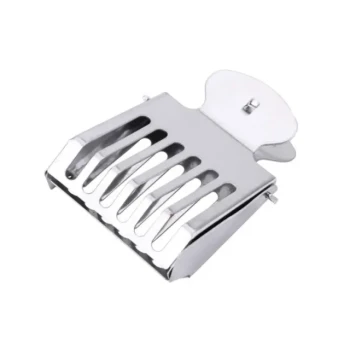
Advanced monitoring hardware serves as a critical diagnostic tool for ecosystem health. These devices provide real-time data on bee activity and hive weight, allowing forest managers to detect environmental stressors early and adjust land management practices to protect sensitive native pollinator populations.
Core Insight: Native bees act as highly sensitive bio-indicators for forest ecosystems. By utilizing precision monitoring tools to track their activity and health, forestry professionals can make data-driven decisions—such as reducing chemical usage—that simultaneously preserve biodiversity and enhance forest resource sustainability.
The Role of Real-Time Monitoring in Forestry
Assessing Pollination Contributions
High-precision bee activity monitoring equipment allows for the quantification of pollination contributions within specific forest ecosystems. By tracking movement and population density, managers can understand how effectively native species are supporting plant reproduction and forest regeneration.
Guiding Management Decisions
Native bees are exceptionally sensitive to environmental changes and chemical pesticides. Real-time data provided by monitoring tools acts as an early warning system, guiding forest management decisions to mitigate risks and protect colony health before permanent damage occurs.
Tracking Colony Dynamics via Weight
Metal scale frames integrated with high-precision strain gauge pressure sensors enable continuous, 24/7 weight monitoring of hives. This technology captures subtle dynamic changes, identifying daily foraging rhythms and water evaporation rates without invasive inspections.
Enhancing Management Through Protection
Enabling Proactive Inspections
Specialized protective consumables, such as suits, veils, and gloves, create a physical barrier that eliminates the risk of stings. This safety is essential because it empowers management personnel to perform regular and deep inspections rather than avoiding colonies due to safety concerns.
Disease and Pest Control
Proactive management, facilitated by protective gear, is critical for the timely monitoring of pollen and nectar reserves. It allows for the early detection and prevention of pests and diseases, which is vital for preventing pathogen spillover from managed hives to vulnerable native bee populations.
Understanding the Trade-offs
Interpreting Complex Data Patterns
While scale frames provide precise data, interpreting "abnormal weight loss" requires context. For example, a sharp weight decrease could indicate a successful harvest or a robbing incident; distinguishing between the two requires experience to identify the intensity and scale of the event properly.
The Limits of Hardware
Monitoring tools provide data, not solutions. The hardware can identify that a colony is suffering from environmental stress or chemical exposure, but it cannot fix the root cause without human intervention and policy changes in forest management.
Making the Right Choice for Your Goal
To effectively utilize these technologies, align your equipment choice with your specific management objective:
- If your primary focus is Native Bee Conservation: Prioritize activity monitoring sensors to detect environmental sensitivity and adjust pesticide application schedules immediately.
- If your primary focus is Forest Resource Health: Use weight monitoring scales to track foraging rhythms and ensure pollination services are active and consistent.
By integrating high-precision data with protective management protocols, you transform passive observation into active ecosystem preservation.
Summary Table:
| Technology/Tool | Primary Function | Benefit to Forestry & Conservation |
|---|---|---|
| Activity Sensors | Real-time monitoring of bee movement | Early detection of environmental stressors and chemical exposure. |
| Scale Frames | Tracking hive weight via strain gauges | Monitors foraging rhythms and quantifies pollination services. |
| Protective Consumables | Physical barrier (Suits, Veils, Gloves) | Enables safe, deep inspections for disease and pest prevention. |
| Data Analytics | Interpreting hive dynamics | Informs land management decisions and pesticide application schedules. |
Empower Your Apiary and Conservation Efforts with HONESTBEE
At HONESTBEE, we specialize in supporting commercial apiaries, distributors, and forestry professionals with the high-precision tools needed for sustainable success. Whether you are scaling a commercial operation or protecting native ecosystems, our comprehensive wholesale portfolio delivers everything from specialized hive-making and honey-filling machinery to essential industry consumables like high-durability protective suits and monitoring hardware.
Partner with us to access the equipment and expertise required to enhance biodiversity and streamline honey production. Contact us today to explore our full range of solutions and see how HONESTBEE can add value to your business.
References
- Ryo Kohsaka, Yuta Uchiyama. Beekeeping and honey production in Japan and South Korea: past and present. DOI: 10.1016/j.jef.2017.05.002
This article is also based on technical information from HonestBee Knowledge Base .
Related Products
- HONESTBEE Professional Telescopic Pole Bee Swarm Catcher
- HONESTBEE Collapsible Tiered Bee Swarm Catcher for Beekeeping
- Galvanized Beekeeping Smoker for Honey Bee and Apiculture
- Durable 16 Way Circular Bee Escape for Efficient Honey Harvesting
- Stainless Steel Honey Bee Smoker Hive and Honeycomb Smoker for Beekeeping
People Also Ask
- What should be done if the swarm is situated on the bottom of a tree limb? A Guide to Methodical Bee Capture
- What role do swarm catchers play in maintaining the production scale of an apiary? Turn Colony Loss into Growth.
- What information should be gathered before attempting to catch a swarm of bees? A Safe and Successful Guide
- What precautions can be taken to prevent a newly captured swarm from absconding? Secure Your Swarm with Proven Methods
- What role does a Swarm Catcher play in the process of expanding apiary colony scale? Optimize Growth & Reduce Costs