Specialized honeybee transportation equipment acts as the central logistical enabler for migratory beekeeping, permitting the safe and rapid relocation of colonies across vast distances. By utilizing advanced loading machinery and ventilated transport units, commercial beekeepers can move large numbers of hives to target specific nectar flows, ensuring colonies remain stable and productive despite the stresses of transit.
Core Takeaway The transition from fixed-location apiaries to an industrialized migratory model is entirely dependent on this specialized hardware. It allows beekeepers to overcome the limitations of local flowering seasons by following phenological cycles, thereby maximizing annual honey yields and mitigating the risks of regional floral scarcity.
Transforming Beekeeping into a Mobile Industry
The primary function of specialized transport machinery is to decouple beekeeping from the limitations of a single geographic location. This hardware supports a shift toward an "industrialized" production model.
Overcoming Seasonal Limitations
In a static apiary, production stops when local flowers fade. Specialized transport trailers allow beekeepers to follow the bloom.
By capitalizing on geographical variations in plant phenology, beekeepers can move colonies to different regions as new plants enter their peak blooming periods. This extends the collection season significantly, allowing for continuous foraging on diverse sources like acacia, sunflower, and rapeseed.
Enabling Industrial Scale
Manual relocation of hives is inefficient for commercial operations. Specialized loading vehicles and hive-handling machinery are essential for moving mass quantities of hive units rapidly.
This speed is critical for ROI. The ability to deploy large numbers of hives instantly ensures the apiary can capture the full window of a nectar flow, rather than missing the early days of a bloom due to logistical delays.
Hardware as Climate Adaptation
Beyond chasing nectar, this equipment serves as a tool for environmental management.
Machinery enables the rapid relocation of hives to higher altitudes or cooler regions during peak summer months. This mobility protects colonies from extreme heat, utilizing geography to maintain optimal colony temperature and health.
Protecting Colony Health During Transit
Moving thousands of bees is biologically risky. Specialized equipment is designed to mitigate the physical and physiological stress placed on the colony during the move.
Critical Ventilation Systems
The greatest risk during transport is overheating, which can lead to colony loss (suffocation).
Professional transport equipment incorporates specific hive fixation systems and open designs to ensure adequate ventilation. This airflow prevents temperature spikes inside the hive, keeping the colony stable even during long-distance hauling.
Stability and Stress Reduction
Vibration and shifting loads cause significant stress to bees.
Robust mechanical support and fixation hardware ensure hives remain distinct and stable. By reducing physical agitation during transit, the machinery lowers mortality rates.
Consequently, bees arrive at the new site with high vitality, ready to begin foraging immediately rather than requiring a long recovery period.
Understanding the Trade-offs
While specialized machinery solves logistical problems, the migratory process introduces biological variables that must be managed.
The Risk of Nutritional Gaps
Even with the best transport machinery, bees cannot forage while on the road.
Long-distance transit creates a temporary food vacuum. To counter starvation or stress during these moves—or upon arrival in monoculture environments with scarce nectar—supplemental feeding is often required. Specialized solutions like moisture-stable sucrose gelatin (fondant) are used alongside transport hardware to maintain basic metabolism until natural foraging resumes.
Complexity of Pathogen Management
The references note that migratory stress is a key area of health research.
While equipment reduces physical stress (heat/vibration), the act of moving colonies into new environments exposes them to different pathogens. The hardware enables the movement, but it increases the burden on the beekeeper to monitor biological health closely.
Making the Right Choice for Your Goal
To effectively utilize specialized transportation equipment, align your hardware choices with your specific operational objectives.
- If your primary focus is Maximizing Yield: Prioritize loading machinery and trailers that offer the fastest turnaround times to catch short-window blooms like acacia.
- If your primary focus is Colony Survival: Invest heavily in transport units with superior ventilation and suspension systems to minimize transit stress and overheating.
Ultimately, specialized transportation machinery is not just a logistical tool; it is the hardware foundation that allows beekeepers to synchronize their operations with the natural rhythm of flowering cycles across an entire continent.
Summary Table:
| Feature | Impact on Migratory Beekeeping | Primary Benefit |
|---|---|---|
| Advanced Loading Machinery | Enables rapid deployment of mass hive quantities. | Maximizes ROI by capturing peak nectar flows. |
| Ventilated Transport Units | Prevents overheating and suffocation during transit. | Maintains colony stability and high vitality. |
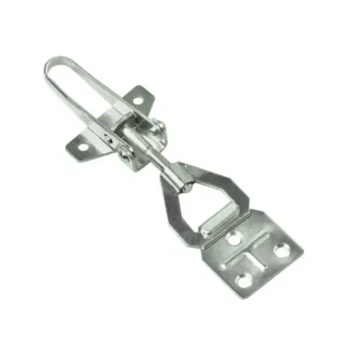
| Mechanical Fixation Systems | Reduces vibration and physical agitation of hives. | Lowers bee mortality rates during long hauls. |
| Climate-Adaptive Trailers | Facilitates relocation to cooler or higher altitudes. | Protects colonies from extreme summer heat stress. |
Scale Your Apiary Operations with HONESTBEE
Transitioning to a migratory model requires more than just bees—it requires a robust industrial foundation. At HONESTBEE, we specialize in supporting commercial apiaries and distributors with the high-performance hardware needed to thrive in a mobile industry. From specialized beekeeping machinery and hive-making equipment to essential consumables and honey-themed merchandise, we provide the full spectrum of tools to ensure your colonies arrive healthy and your yields remain high.
Ready to upgrade your logistical capabilities? Contact HONESTBEE Today to Discuss Your Wholesale Needs
References
- Karina Antúnez, Pablo Zunino. Honeybee colony losses in Uruguay during 2013–2014. DOI: 10.1007/s13592-016-0482-2
This article is also based on technical information from HonestBee Knowledge Base .
Related Products
- Plastic Transporting Bee Packages and Nuc Boxes for Beekeeping
- Durable 16 Way Circular Bee Escape for Efficient Honey Harvesting
- Efficient Hive Clearing: HONESTBEE 8-Way Plastic Bee Escape
- Professional Queen Cage with Sliding Gate and Feeder Plug
- HONESTBEE Professional Hive Top Bee Feeder Feeding Solution
People Also Ask
- What role do bee package boxes play in the commercial transport and expansion of honeybee colonies? - Logistic Essentials
- What are beekeeping boxes called? A Guide to Hive Bodies and Box Types
- How do standardized bee packages serve as a recovery mechanism for commercial beekeeping? Ensure Business Continuity
- What is the commercial value of using standardized bee packages? Drive Scalability in Large-Scale Apiaries
- Why is the timely introduction of high-quality bee packages critical? Save Your Apiary from Asian Hornet Invasions