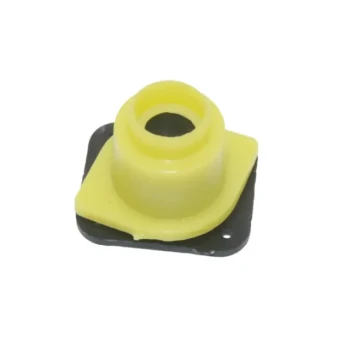
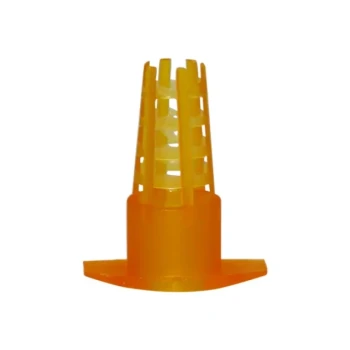
Specialized queen cells serve as precise biological delivery systems that allow for the large-scale cloning and distribution of superior maternal genetics. By mass-producing these cells in controlled environments to carry specific traits—such as hygienic behavior—breeders can introduce them into nucleus colonies to replace existing queens, thereby rapidly increasing the frequency of desirable genes across commercial populations.
By decoupling queen rearing from natural colony timelines, specialized queen cells allow breeders to standardize and accelerate the spread of disease resistance. This method transforms genetic improvement from a passive observation into an active, scalable industrial process.
The Mechanics of Accelerated Genetic Gain
Mass Production and Cloning
Specialized queen cells act as the physical carrier for the development of new queen bees. This structure allows breeders to replicate superior maternal lines through large-scale cloning rather than relying on slower, natural reproductive rates.
Controlled Environmental Rearing
To ensure the successful propagation of specific traits, these cells are produced in a strictly controlled environment. This isolation protects the developing queens and ensures that target genes, particularly those for hygienic behavior, are prioritized during development.
Precise Introduction Strategies
The acceleration of genetic improvement is achieved through the precise introduction of these cells into nucleus colonies. By systematically replacing queens in these smaller starter colonies, breeders can rapidly update the genetic makeup of the population on a large scale.
Ensuring Stability Through Technology
Enhancing Resistance and Adaptability
Utilization of professional rearing equipment allows for the selection of queens that demonstrate high resistance and strong environmental adaptability. This technology-driven selection process ensures that the resulting population is better equipped to handle external stressors.
Safeguarding the Reproductive Cycle
Implementing specialized queen cells provides a technical safeguard for the colony’s reproductive cycle. This prevents the structural disintegration and large-scale population decline often observed in unmanaged or genetically weak colonies.
Understanding the Requirements
The Role of Genetic Monitoring
While mass production accelerates trait spread, it must be paired with genetic monitoring devices. This ensures that the pursuit of specific traits, such as hygienic behavior, does not inadvertently compromise the overall genetic integrity of the bee population.
Dependence on Technology
This approach shifts beekeeping from traditional methods to a technology-driven model. Success relies heavily on the availability of professional queen rearing equipment to maintain the controlled environments necessary for this level of genetic precision.
Strategies for Genetic Implementation
To effectively utilize specialized queen cells for population improvement, consider the following objectives:
- If your primary focus is rapid trait dissemination: Prioritize the mass production of queen cells containing specific hygienic genes and introduce them directly into nucleus colonies for immediate replacement.
- If your primary focus is long-term colony resilience: Leverage genetic monitoring tools to select specifically for high environmental adaptability to prevent structural colony disintegration.
By treating the queen cell as a standardized unit of genetic delivery, you can actively engineer a more robust and hygienic honey bee population.
Summary Table:
| Feature | Impact on Genetic Improvement | Role in Breeding |
|---|---|---|
| Mass Production | Large-scale replication of maternal lines | Replaces slow natural reproductive rates |
| Controlled Rearing | Priority development of target traits | Ensures genetic purity and hygienic behavior |
| Precise Introduction | Rapid updates to nucleus colony genetics | Systematically replaces inferior genetics |
| Genetic Monitoring | Safeguards population integrity | Prevents unintended loss of overall genetic diversity |
Scale Your Apiary Operations with HONESTBEE Precision Equipment
At HONESTBEE, we empower commercial apiaries and distributors with the specialized tools needed to transform honey bee breeding into a high-performance industrial process. From high-capacity queen rearing systems to advanced honey-filling machinery, our comprehensive wholesale portfolio covers every stage of the professional beekeeping cycle.
How we help our partners:
- Specialized Hardware: Access durable queen cell systems and hive-making machinery designed for mass production.
- Scalable Supplies: We provide the full spectrum of beekeeping tools and essential consumables tailored for large-scale operations.
- Industry Expertise: Leverage our high-quality equipment to ensure superior genetic delivery and colony stability.
Ready to enhance your productivity and deliver superior value to your customers? Contact us today to discuss wholesale opportunities and see how HONESTBEE can modernize your beekeeping supply chain.
References
- Stephen F. Pernal, Andony Melathopoulos. Breeding for hygienic behaviour in honeybees (Apis mellifera) using free-mated nucleus colonies. DOI: 10.1007/s13592-011-0105-x
This article is also based on technical information from HonestBee Knowledge Base .
Related Products
- Premium Nicot Style Cell Bar Holder and Queen Cell Cup Holder System
- JZBZ Type Wide Base Plastic Queen Cell Cups for Base Mounting and Queen Rearing
- Brown Nicot Queen Cell Cups for Breeding Queen Bees Beekeeping
- JZBZ Push-In Queen Cell Cups for Beekeeping
- JZBZ Style Push-In Cell Protector for Professional Queen Rearing Kits
People Also Ask
- What roles do specialized queen cell cups play in royal jelly production? Optimize Your Hive's Secretion and Yield
- What role do specialized queen rearing tools play in developing mite-resistant honeybee stock? Master Genetic Selection
- What materials are used to make artificial queen cell cups for grafting? Beeswax vs. Plastic Guide
- Why is a diluted royal jelly solution applied to queen cell cups? Boost Acceptance in Artificial Grafting
- How does the standardized depth of queen cell cups affect larval acceptance? Boost Success with 6mm Precision