Specialized queen rearing tools act as the bridge between identifying a superior colony and replicating its genetics across an entire apiary. By using instruments like grafting needles, rearing frames, and mating nucs, beekeepers move beyond natural supersedure to a controlled breeding process that targets specific traits such as productivity, disease resistance, and docility.
The core value of these tools is the shift from random natural selection to intentional genetic curation, allowing for the mass replication of superior traits to enhance overall apiary resilience and yield.
The Mechanics of Genetic Selection
Precision Grafting
The foundation of genetic improvement lies in the ability to select larvae from a specific "mother" colony that exhibits desired traits. Grafting needles allow the beekeeper to physically transfer larvae from these high-performance colonies into artificial queen cups. This ensures that the next generation of queens inherits genetics associated with high productivity and gentleness, rather than leaving the choice to chance.
Controlled Developmental Environment
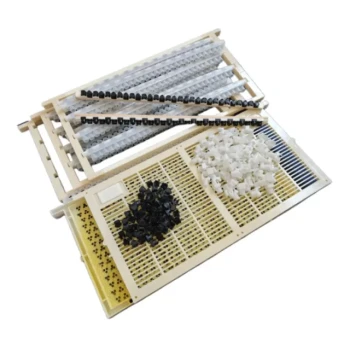
Once grafted, the larvae are placed in queen rearing frames. These specialized frames, used in conjunction with rearing systems, allow for the precise management of the developing queens' environment. By controlling nutritional supply, temperature, and humidity, these tools ensure the physical quality of the queen matches her genetic potential.
Enhancing Reproductive Capacity
Properly managed rearing environments produce queens with high egg-laying capacity and strong royal jelly secretion. This physical robustness—a direct result of using specialized rearing equipment—translates to larger populations and healthier winter bees, improving the colony's winter survival rates.
Scaling Superior Genetics
Mass Replication via Mating Nucs
Mating nucs (nucleus colonies) are critical for maximizing the impact of a single superior breeder queen. They allow a beekeeper to raise dozens or hundreds of daughter queens from one genetic source simultaneously. This equipment facilitates the rapid replacement of inferior genetics across an entire commercial operation with high-performing stock.
Artificial Insemination (AI)
For the highest level of control, artificial insemination equipment allows beekeepers to select specific drones for mating. This technology enables the combination of specific genetic lines that would be impossible to achieve through open mating. It is particularly useful for fixing recessive traits or developing lines with extreme hygiene or production characteristics.
Understanding the Trade-offs
The Risk of Reduced Diversity
While tools like artificial insemination offer precision, they introduce a significant biological trade-off: reduced genetic diversity. In nature, a queen mates with many drones who have survived competitive flights, ensuring only the strongest pass on their genes.
Vitality and Longevity Issues
Artificial processes remove this natural "fitness test" for drones. Consequently, a queen may receive sperm with lower viability or insufficient volume. This can lead to a shorter lifespan for the queen and reduce the overall adaptability of the colony to changing environmental conditions compared to naturally mated queens.
Making the Right Choice for Your Goal
To effectively utilize queen rearing tools, you must align your equipment choice with your specific breeding objectives.
- If your primary focus is maximizing production consistency: Prioritize grafting tools and rearing systems to replicate your highest-yielding queen across all production hives.
- If your primary focus is long-term colony resilience: utilize open mating in diverse mating nucs rather than strict artificial insemination to maintain a broader genetic base.
- If your primary focus is specific trait isolation (e.g., hygiene): Employ artificial insemination equipment to strictly control both drone and queen genetics, but monitor these queens closely for longevity issues.
True genetic improvement comes not just from the tools, but from the balanced application of precision selection and biological sustainability.
Summary Table:
| Tool Type | Primary Genetic Function | Key Benefit |
|---|---|---|
| Grafting Needles | Targeted Larvae Selection | Transfers traits from high-performance mother colonies. |
| Rearing Frames | Controlled Development | Ensures physical quality matches genetic potential. |
| Mating Nucs | Mass Replication | Facilitates rapid replacement of inferior genetics across apiaries. |
| Insemination Tools | Controlled Mating | Allows for precise isolation of traits like hygiene and productivity. |
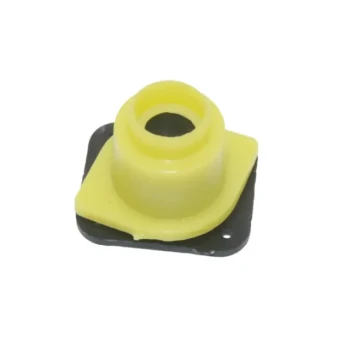
| Queen Cups | Standardized Environment | Promotes consistent royal jelly feeding and queen health. |
Scale Your Apiary’s Success with HONESTBEE
At HONESTBEE, we empower commercial apiaries and distributors with the precision tools necessary for advanced genetic improvement. From high-quality grafting needles and mating nucs to industrial-grade honey-filling and hive-making machinery, our comprehensive wholesale offering covers every aspect of your beekeeping operation.
Why partner with HONESTBEE?
- Full-Spectrum Supply: Access a complete range of beekeeping equipment, specialized hardware, and essential industry consumables.
- Commercial Expertise: We cater specifically to large-scale operations and distributors seeking reliable, high-performance tools.
- Global Quality: Our products are designed to enhance yield, resilience, and operational efficiency.
Ready to transform your honeybee stocks and maximize production? Contact us today to discuss your wholesale needs and discover how our equipment can drive your genetic breeding programs forward.
References
- Luís Antonio Saavedra-Jiménez, Vicente Homero González Álvarez. Características y necesidades tecnológicas de los apicultores de la región centro-sur de Jalisco. DOI: 10.15174/au.2022.3493
This article is also based on technical information from HonestBee Knowledge Base .
Related Products
- Retractable Chinese Queen Rearing Grafting Tools Equipment
- Plastic Chinese Queen Grafting Tool for Bee Queen Rearing
- Stainless Steel Queen Grafting Tool for Beekeeping and Bee Queen Grafting
- No Grafting Queen Rearing Kit: System for Royal Jelly Production and Queen Rearing
- Stainless Steel Beekeeping Queen Grafting Tool for Honey Bee Rearing
People Also Ask
- Which specialized tools are necessary for implementing standardized queen rearing? Scale Your High-Yield Apiary
- Why are specialized queen rearing tools necessary to mitigate winter hive losses? Boost Apiary Survival and Recovery
- How do queen-rearing tools facilitate the sustainability and expansion of a commercial apiary? Drive Scalable Growth
- In what ways do modern queen rearing equipment and grafting tools improve competitiveness? Boost Breeding Success Rate
- What role do specialized queen rearing tools and consumables play in modern large-scale apiculture? Drive Production & Scale