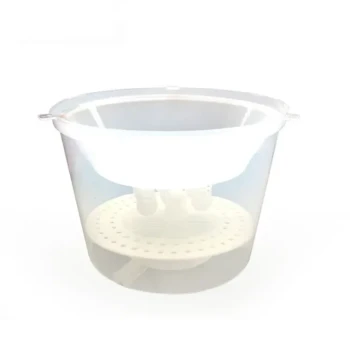
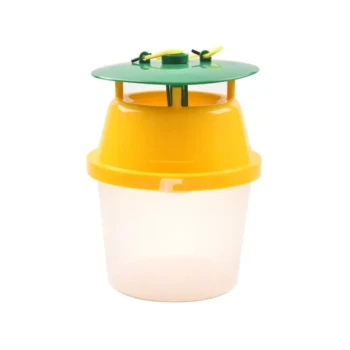
Specialized traps function as a dual-purpose defense system for apiaries, serving simultaneously as physical control devices and critical data collection tools. By exploiting the Small Hive Beetle's (Aethina tumida) natural behaviors, these traps reduce adult populations and provide early warning signals of infestation that visual inspections often miss.
Core Insight: By simulating the dark crevices beetles seek to escape bee aggression, specialized traps act as a passive biosecurity measure. They allow beekeepers to quantify pest density and suppress outbreaks early without introducing veterinary drugs into the hive environment.
The Mechanics of Capture and Control
Exploiting Avoidance Behavior
Small Hive Beetles have a natural instinct to flee from light and harassment by worker bees. Traps are designed to capitalize on this by offering a dark, protected sanctuary.
When beetles enter these devices to hide, they are effectively removed from the colony's general population. This method turns the pest's survival instinct into a mechanism for its elimination.
Selective Exclusion Design
Effective traps feature entrance gaps precisely calibrated to the size of the beetle. These openings allow the beetles to enter freely while being too small for honeybees to pass through.
This selective exclusion ensures that the control method targets the pest without trapping the bees or interfering with their normal hive activities.
Modes of Neutralization
Once inside the trap, beetles are neutralized using two primary methods found in specialized hardware:
- Liquid Reservoirs: Traps placed between frames or at the bottom of the hive often contain food-grade oil or vinegar. These liquids act as a killing medium, drowning the beetles that fall in.
- Fibrous Entanglement: Some systems use specialized materials placed on top of frames. As bees shred this material, it creates a mesh of fine fibers that entangle and immobilize the beetles.
The Role in Biosecurity and Monitoring
Overcoming Inspection Limitations
The Small Hive Beetle is notoriously elusive, particularly during the initial stages of an invasion. They hide in dark corners and frame undersides, making visual detection by beekeepers difficult and unreliable.
Traps bridge this gap by capturing beetles that would otherwise evade sight. This provides a tangible metric for infestation levels before the population spirals out of control.
Early Warning System
Monitoring traps are an essential component of apiary biosecurity frameworks. By checking these devices regularly, beekeepers receive data on population density changes.
This early detection allows for the implementation of isolation or treatment measures at the very beginning of an outbreak, preventing the mass reproduction that leads to colony collapse.
Chemical-Free Management
A significant advantage of these traps is their ability to suppress beetle populations without veterinary drugs.
By relying on mechanical entrapment (drowning or tangling), beekeepers can maintain lower pest levels while avoiding the exposure of honeybees and hive products to harmful chemical substances.
Understanding the Trade-offs
Passive vs. Active Management
While traps are effective "core hardware," they are passive tools. They rely on the beetle moving into the trap voluntarily (either lured by bait or fleeing bees).
They are most effective when used as part of a broader strategy that includes active management, such as using hive tools to inspect dark corners and smokers to facilitate detailed health checks.
Maintenance Requirements
Traps are not "set and forget" solutions. Liquid traps must be monitored to ensure the reservoir does not dry out or spill, and fibrous traps require replacement once shredded.
Failure to maintain these traps can render them ineffective, depriving the beekeeper of the data needed to make timely management decisions.
Making the Right Choice for Your Goal
To effectively utilize specialized traps in your apiary management plan, consider your immediate objective:
- If your primary focus is Early Detection: Prioritize traps that are easily accessible for frequent checks, treating the catch count as a critical data point to trigger further biosecurity protocols.
- If your primary focus is Population Suppression: Deploy high-capacity traps (such as oil-filled reservoirs or fibrous mats) to physically remove the maximum number of adult beetles, breaking the reproductive cycle without chemicals.
Summary: Integrating specialized traps provides a standardized, chemical-free method to convert the Small Hive Beetle’s elusive behavior into a verifiable data stream, securing the colony against sudden collapse.
Summary Table:
| Feature | Mechanism | Primary Benefit |
|---|---|---|
| Selective Exclusion | Calibrated entrance gaps | Protects bees while trapping beetles |
| Liquid Reservoirs | Food-grade oil or vinegar | Effective neutralization through drowning |
| Fibrous Mats | Entanglement fibers | Mechanical immobilization without chemicals |
| Early Warning | Data collection on pest density | Early detection of hidden infestations |
| Passive Defense | Simulates dark crevices | Constant suppression without hive disruption |
Secure Your Apiary with Professional-Grade Solutions
Protecting your commercial honey production requires more than just standard care—it demands high-precision tools designed for efficiency and biosecurity. HONESTBEE empowers commercial apiaries and distributors with a comprehensive wholesale range of beekeeping equipment. From specialized Small Hive Beetle traps to industrial honey-filling machines and hive-making hardware, we provide the full spectrum of tools and consumables needed to scale your operations.
Why partner with HONESTBEE?
- Wholesale Excellence: Competitive pricing on bulk orders for distributors.
- Comprehensive Portfolio: Everything from specialized hardware to honey-themed cultural merchandise.
- Industry Expertise: Solutions tailored to the needs of professional beekeepers.
Contact us today to discover how our specialized equipment can enhance your colony health and operational productivity.
References
- Mara Beghetto, Paola Fossati. MALATTIE INFETTIVE DELLE API. DOI: 10.54103/0300-3485/20644
This article is also based on technical information from HonestBee Knowledge Base .
Related Products
- Reusable Aluminium Beetle Trap for Small Hive Beetles Silver Bullet
- Reusable Clear Small Hive Beetle Traps for Beehives Beetle Trapping Tools
- Removable Washable Hive Beetle Trap Attractants for Small Hive Beetles
- Black Plastic Beetle Barn Hive Beetle Trap for Beehives
- Plastic Beetle Blaster Trap Beekeeping Tools and Supplies
People Also Ask
- How should powdered substances be used in beetle traps for hive beetle control? Expert Guide for Maximum Colony Protection
- Why are beetle traps less effective during winter? Seasonal Shifts in Pest Control Explained
- When is the best time to use small hive beetle traps in cold climates? Protect Your Honeybee Winter Stores Now
- When and how should disposable traps for small hive beetles be removed? Master Hive Hygiene and Efficiency
- How do small hive beetle traps contribute to colony management? Enhance Diagnostic Accuracy and Protect Hive Health