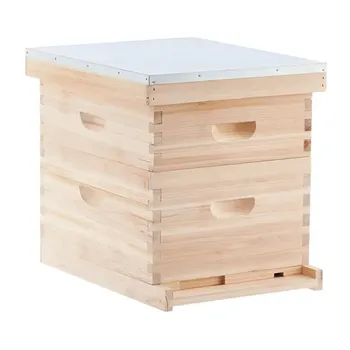
Stingless bees generally need less concentrated floral supply than honey bees. Their smaller bodies and lower colony populations reduce total forage demand, while their ability to use plants ranging from small shrubs to large trees gives them a broad floral resource base. Commercial management requires specialized, compact wooden hives and processing tools adapted to cerumen honey pots—not standard Apis movable-frame equipment.
Core takeaway: Stingless bees are often more resilient when floral resources are limited, but their honey production and nest structures differ fundamentally from those of honey bees. Commercial success depends on matching hive dimensions, shelter, handling tools, and extraction systems to the species’ biology.
How Floral Resource Requirements Differ
Lower Colony Demand
Stingless bee colonies typically contain fewer individuals than colonies of Apis mellifera. Their smaller colony populations mean the colony’s total requirement for nectar and pollen is generally lower.
This allows stingless bees to maintain colony health in environments where floral resources are insufficient for a large honey bee colony. It does not mean they can thrive without dependable forage; local flowering plants remain essential for colony development and production.
Broader Plant Use
Stingless bees can forage across a wide range of plant sizes, from small shrubs and garden plants to larger trees. This broadens their potential resource base and can make them suitable for diverse agricultural, forest-edge, and urban environments.
Honey bees also use diverse flowering plants, but their larger colonies generally require greater volumes of nectar and pollen to sustain the workforce, brood, and stored-food reserves.
Practical Implications for Apiaries
Stingless bees can be integrated into areas where floral resources are scattered or seasonally limited. Their compact colonies are particularly relevant for local pollination and specialty honey production rather than maximum honey volume per colony.
Operators should still assess seasonal flowering, pesticide exposure, water availability, and competition from other pollinators before establishing a commercial site.
Why Standard Honey Bee Hives Are Not Suitable
Different Nest Architecture
Honey bees build relatively flat, parallel combs that fit standardized movable frames. This architecture supports inspection, frame rotation, and centrifugal honey extraction.
Stingless bees instead store honey and pollen in clusters of rounded cerumen or wax pots inside a dark cavity. Their entrances are commonly sealed or shaped with propolis, creating a nest structure that requires a different housing approach.
Compact, Sealed Compartments
Stingless bee hives should provide a compact, well-sealed cavity that resembles the protected conditions of a natural nest. The internal volume and entrance dimensions should be matched to the target species and colony size.
Poorly proportioned spaces can contribute to weak development or colony absconding. Precision manufacturing is therefore a biological requirement, not merely a production-quality preference.
Hive Equipment for Commercial Management
Modular Wooden Hives
Specialized modular wooden boxes allow beekeepers to inspect, divide, expand, and manage colonies with less disruption to the brood core. Sectional designs can also support colony propagation and organized apiary workflows.
For distributors and resellers, a modular portfolio is more useful than a single generic box because different stingless bee species require different dimensions and entrance specifications.
Vertical and Sectional Hive Designs
Vertical wooden hives and terraced configurations provide structured compartments for colonies that naturally nest in enclosed cavities. Sectional tree-log enclosures can also be used where the design preserves the colony’s preferred nesting conditions.
These systems can support separate management of brood, storage pots, and harvest areas, depending on the specific hive design.
Sheltered Hive Structures
Stingless bee hives benefit from sheltered placement that protects the wooden enclosure from excessive rain, heat, and direct exposure. A dedicated shelter also improves apiary organization and simplifies routine inspection.
Shelter design should prioritize ventilation, stable conditions, secure placement, and convenient access for handling and harvesting.
Hive-Making Machinery
Commercial hive production benefits from precision cutting and assembly equipment capable of producing consistent internal volumes, entrance diameters, and compartment dimensions.
For B2B suppliers, this supports repeatable manufacturing, species-specific customization, and faster fulfillment of modular hive orders. Quality control is especially important because small dimensional errors can affect colony acceptance and development.
Division and Handling Tools
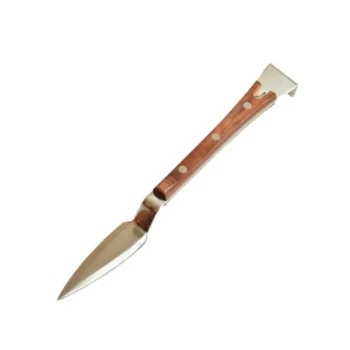
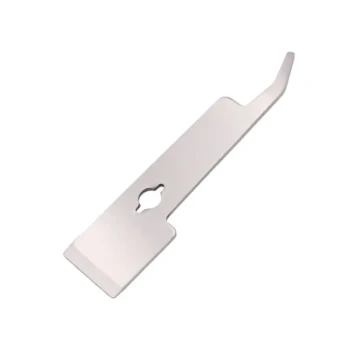
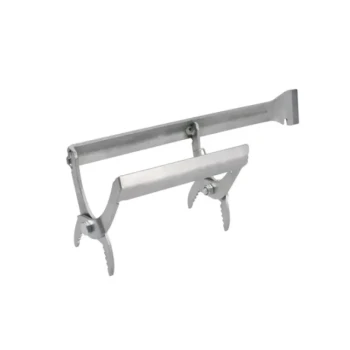
Commercial propagation requires tools designed to divide colonies and move nest components without damaging the brood core or storage pots. These tools should be compatible with the selected modular hive system.
The objective is controlled colony expansion while minimizing disturbance, leakage, contamination, and stress.
Honey Collection and Processing Equipment
Gentle Collection Systems
Stingless bee honey is stored in individual pots rather than removable combs. Collection therefore relies on careful scooping, draining, pumping, or gentle pressing rather than conventional centrifugal extraction.
Equipment should minimize physical damage to the nest and prevent excessive contamination from wax, propolis, brood material, or debris.
Filtration and Moisture Control
Stingless bee honey commonly has higher moisture content than standard Apis honey. This increases the need for sanitary handling, appropriate filtration, moisture monitoring, and controlled storage to reduce spoilage and fermentation risks.
Fine filtration should be selected carefully so that unwanted particles are removed without unnecessarily stripping the product of its distinctive biological and sensory characteristics.
Filling and Packaging Machinery
Liquid-filling equipment should handle a relatively viscous, pollen-rich product and provide hygienic, repeatable portioning. Sanitary pumps, storage containers, and filling systems are more appropriate than equipment designed only for conventional honey.
Packaging and storage should be selected around the product’s moisture, acidity, fermentation behavior, and intended market positioning.
Understanding the Trade-offs
Lower Forage Demand Does Not Mean Higher Honey Yield
Stingless bees may remain productive under more limited floral conditions, but their colonies generally produce less honey than commercial Apis mellifera colonies. Some commercial references cite annual stingless bee yields of roughly 2 kilograms per hive, but actual output varies by species, colony strength, climate, forage, and management.
The commercial advantage is therefore often specialty value, pollination, propolis, and premium positioning, rather than bulk honey volume.
Specialized Equipment Raises Complexity
Stingless bee operations cannot rely entirely on the standardized frames, supers, and centrifugal extractors common in honey bee supply chains. They require specialized hive dimensions, modular components, division tools, and gentle collection systems.
This creates a higher equipment-planning burden, but it also gives suppliers an opportunity to provide a complete, compatible product portfolio rather than isolated products.
Moisture Creates a Processing Risk
Higher moisture can increase the risk of fermentation or spoilage if collection, storage, and packaging are poorly controlled. Operators should avoid treating stingless bee honey as interchangeable with low-moisture Apis honey.
Processing specifications should be validated for the target species and product format instead of relying on standard honey-processing assumptions.
Species-Specific Design Is Essential
“Stingless bee hive” is not a universal specification. Entrance size, cavity volume, compartment layout, ventilation, and insulation requirements can differ among species and local conditions.
Suppliers should confirm the target species, colony size, climate, intended propagation method, and harvesting model before recommending equipment.
How to Apply This to Your Commercial Operation
The most effective supply strategy combines biological fit with reliable procurement and after-sales support.
-
If your primary focus is bulk honey production: Favor standardized Apis mellifera movable-frame hives and centrifugal extraction systems, because honey bees generally provide higher per-colony output.
-
If your primary focus is specialty honey and propolis: Use compact, sealed, modular wooden stingless bee hives with gentle collection, filtration, moisture-control, and sanitary filling equipment.
-
If your primary focus is pollination in resource-limited areas: Select species-appropriate stingless bee colonies and sheltered modular hives that support stable colony development across scattered flowering plants.
-
If your primary focus is commercial colony propagation: Prioritize sectional or vertical hive systems, division tools, and precision-made components that protect the brood core and support repeatable colony expansion.
-
If your primary focus is equipment distribution: Build a one-stop portfolio covering hive manufacturing, modular boxes, shelters, handling tools, processing machinery, replacement parts, and technical support, backed by responsive service and efficient order fulfillment.
The right commercial system is the one that matches the bee’s forage ecology and nest biology with equipment designed for dependable, scalable management.
Summary Table:
| Aspect | Stingless Bees | Honey Bees |
|---|---|---|
| Colony size | Smaller | Larger |
| Forage demand | Lower | Higher |
| Nest architecture | Cerumen pots | Parallel combs |
| Honey yield per colony | Lower (approx. 2 kg/yr) | Higher |
| Moisture content | Often higher | Lower |
| Hive type | Compact, sealed wooden | Standard movable-frame |
| Extraction method | Scooping/draining | Centrifugal |
At HONESTBEE, we specialize in equipping commercial apiaries and distributors with a complete range of stingless bee and honey bee management tools. Our portfolio includes precision hive-making machinery, modular wooden hives, gentle honey collection systems, and moisture-control processing equipment—all backed by OEM/ODM support, certifications, and rapid delivery. Whether you're expanding into specialty stingless bee products or aiming to optimize your distribution network, our experts are ready to help you maximize efficiency and profitability. Contact us today to discuss your unique requirements and get a tailored quotation!
Related Products
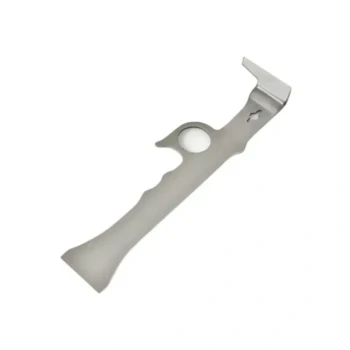
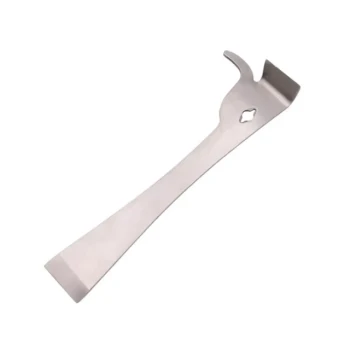
- HONESTBEE Advanced Ergonomic Stainless Steel Hive Tool for Beekeeping
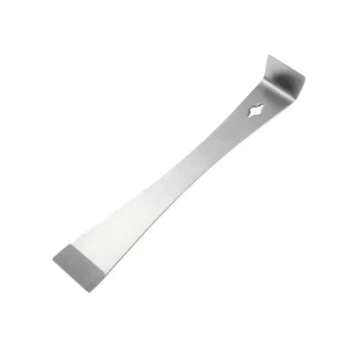
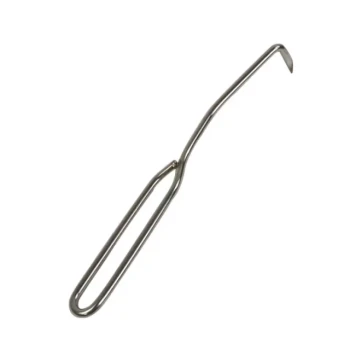
- Professional Stainless Steel Pry-Bar Hive Tool
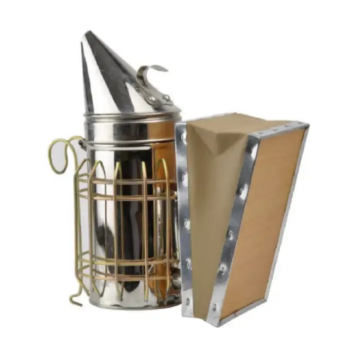
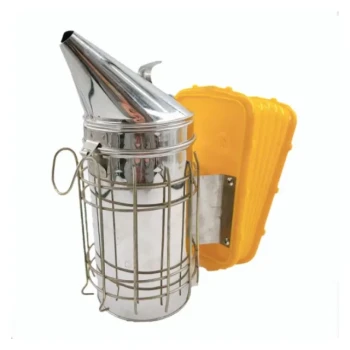
- Stainless Steel Honey Bee Smoker Hive and Honeycomb Smoker for Beekeeping
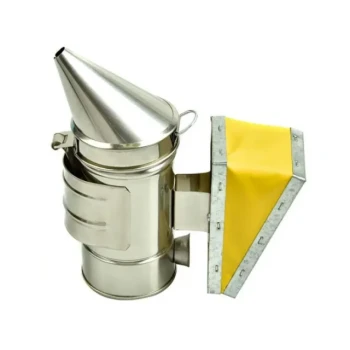
- European Stainless Steel Bee Smoker for Honey Bee Hive
- Professional Multi-Function Stainless Steel Hive Tool
People Also Ask
- What specific challenges do beekeeping hive tools address during hive maintenance? Essential Solutions for Apiaries
- How does a favorable microclimate interact with beekeeping tools? Boost Overwintering Success and Equipment Longevity
- Why is the treatment of beekeeping tools with high-concentration chemical disinfectants necessary for preventing AFB?
- What is the recommended method for storing beekeeping tools? Expert Vertical Storage Solutions for Your Apiary
- What personal tools are required for handling bees and a hive? 4 Essential Gear Items for Safe Beekeeping