The key purchasing principle is simple: commercial beekeeping equipment should be selected around the caste it must manage. Workers are smaller and equipped for foraging, wax production, and defense; queens are larger and specialized for reproduction; drones are broader, highly sensory, and lack pollen-collecting and stinging structures. These differences directly inform the design and selection of queen excluders, pollen traps, queen-rearing tools, frames, entrances, and inspection equipment.
Caste anatomy determines equipment function. Hardware that separates bees, collects hive products, or supports breeding must provide the correct openings, clearances, handling surfaces, and protective features for workers, queens, and drones without obstructing normal colony activity.
Why Caste Anatomy Matters in Commercial Apiaries
Workers Are the Primary Operating Caste
Worker bees perform nearly all routine colony labor, including nursing brood, building comb, processing nectar, collecting pollen, ventilating the hive, and defending the colony.
Their anatomy reflects these duties. Workers have pollen baskets and pollen presses on their hind legs, wax glands on the abdomen, active hypopharyngeal glands, and a relatively long proboscis for feeding and nectar collection.
Queens Require Access and Protection
The queen has a long abdomen, enlarged reproductive organs, and a large spermatheca for storing sperm. Her primary commercial importance is sustained egg production and the release of pheromones that help organize colony behavior.
Because queens are larger than workers, many hive-management accessories use a controlled opening size to restrict or isolate her. Queen handling must also minimize injury, stress, and accidental loss.
Drones Have Different Space and Handling Requirements
Drones are broader-bodied males with exceptionally large compound eyes and highly developed antennae. These sensory structures support mating flights, while drones lack pollen baskets, wax glands, and stings.
Their larger body size means that equipment designed to pass workers may exclude drones. This matters when selecting entrance hardware, drone management devices, and breeding accessories.
How Anatomy Informs Equipment Selection
Queen Excluders Depend on Calibrated Openings
A queen excluder is designed to allow workers to pass between hive sections while restricting the larger queen. Standard excluders generally also restrict drones because drones are wider than workers.
The critical purchasing factors are opening dimensions, flatness, rigidity, material quality, and edge finish. Openings that are too narrow can impede workers, while poor finishing can damage bees or cause traffic congestion.
Excluder compatibility should be checked against the hive format, frame spacing, bee strain, and manufacturer’s dimensional standard. Body size can vary, so a product should be validated in the field rather than selected by nominal labeling alone.
Pollen Traps Must Work With Worker Leg Anatomy
Pollen traps target the pollen pellets carried in worker corbiculae. They must remove a controlled portion of the pollen without trapping legs, interfering with grooming, or creating excessive resistance at the entrance.
Look for smooth, accurately manufactured grids, bee-safe materials, adequate ventilation, and adjustable collection rates. A trap that harvests aggressively but disrupts worker movement can reduce colony efficiency and create avoidable stress.
Queen-Rearing Equipment Must Fit the Queen’s Role
Queen-rearing kits are designed around the queen’s reproductive function and the worker colony’s role in feeding and caring for developing queens. Relevant products include queen cages, marking tubes, grafting tools, cell protectors, incubators, and mating equipment.
The equipment should provide secure containment while preserving airflow and preventing damage to the queen or queen cell. Fine control is more important than simply maximizing capacity.
Frames and Brood Equipment Must Support Worker Activity
Workers build and maintain comb using abdominal wax glands, then use the comb for brood care, food storage, and colony movement. Frame dimensions, foundation quality, spacing, and surface finish therefore affect how efficiently workers establish usable comb.
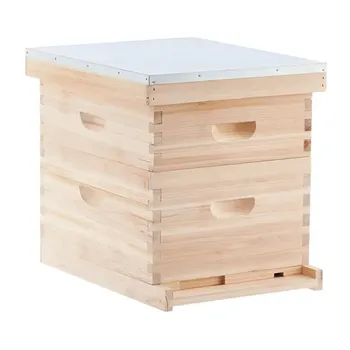
For commercial operations, standardized brood boxes, frames, and foundation reduce handling variation and simplify inventory management. Compatibility across equipment lines is especially important when supplying multiple apiaries or servicing replacement orders quickly.
Entrance Hardware Must Account for All Three Castes
Entrance reducers, guards, and screens influence the movement of workers, drones, and the queen. A design that permits worker traffic may restrict drones, while a barrier intended for pest control can also create congestion during periods of high foraging activity.
Products should be evaluated for opening size, airflow, ease of installation, weather resistance, and cleaning access. Entrance equipment must support the intended management goal without creating a bottleneck.
Connecting Caste Differences to Product Categories
Equipment for Worker Management
Worker-focused products include:
- Hive bodies, brood boxes, frames, and foundation
- Pollen traps and entrance collectors
- Feeders and ventilation components
- Protective gloves, veils, and suits
- Smokers, hive tools, and inspection equipment
Protective equipment should reflect colony temperament and inspection conditions. More defensive or highly active colonies may require heavier-duty suits, secure veils, and durable gloves.
Equipment for Queen Management
Queen-focused products include:
- Queen excluders
- Queen cages and marking cages
- Queen-rearing kits
- Grafting tools and cell protectors
- Queen introduction and transport containers
- Brood-chamber accessories
These products should prioritize controlled access, visibility, ventilation, and gentle handling. A supplier’s value is strongest when all compatible components are available through one coordinated product range.
Equipment for Drone Management
Drone-related products include:
- Drone traps
- Entrance screens and separators
- Breeding and mating accessories
- Specialized observation and transport equipment
Drone traps and separators must be selected carefully because drones are larger and may be affected by worker-sized openings. The intended purpose—population control, pest management, or breeding support—should determine the product design.
What This Means for Commercial Sourcing
Standardization Reduces Operational Friction
Commercial beekeepers benefit from standardized hive dimensions, frame systems, excluder formats, and accessory interfaces. Standardization reduces installation errors, simplifies staff training, and makes replacement orders more predictable.
For distributors and wholesalers, a full-spectrum portfolio is valuable because customers often need a complete equipment set rather than an isolated component. Hive hardware, protective clothing, queen accessories, and harvesting tools should be specified as compatible product families.
Dimensional Accuracy Is a Business Requirement
Many apiary accessories rely on narrow functional tolerances. A small dimensional problem in an excluder, pollen grid, frame spacer, or entrance screen can affect bee movement and colony management.
Quality control should therefore cover opening dimensions, material consistency, burr-free surfaces, fit, durability, and batch uniformity. Rapid fulfillment is useful only when the supplied product performs consistently.
Service Expertise Improves Product Selection
Customers may describe a need as “a queen excluder” or “a pollen trap,” while the correct solution depends on hive type, bee race, colony strength, climate, and management objective.
Responsive technical support can reduce mismatches by confirming dimensions, compatibility, operating conditions, and required quantities before an order is finalized. This is particularly important for B2B resellers supporting varied markets.
Understanding the Trade-offs
Separation Versus Colony Flow
A queen excluder improves control of brood and honey-storage zones, but it can restrict movement if poorly fitted or installed at the wrong time. Worker congestion may reduce the practical benefit of an otherwise technically correct product.
Selection should balance reproductive control with unobstructed worker traffic.
Pollen Harvesting Versus Colony Resources
Pollen traps can support commercial pollen collection, but pollen is also an essential colony resource. Excessive harvesting or continuous use can interfere with brood-rearing support, particularly when natural pollen availability is limited.
Adjustable or removable designs provide more management flexibility than permanently aggressive collection systems.
Drone Control Versus Breeding Objectives
Drone traps can support specific population-control goals, but drones are part of the colony’s reproductive system. Removing them indiscriminately may conflict with mating or breeding objectives.
The equipment choice must follow the apiary’s purpose rather than treating all drones as unwanted.
Universal Fit Versus Specialized Fit
Universal accessories simplify inventory and reduce SKU complexity, but they may provide less precise performance than equipment designed for a particular hive format or bee population.
For distributors, the right balance is usually a clearly documented core range supported by specialized options where dimensional accuracy materially affects results.
Making the Right Choice for Your Goal
The best equipment package begins with the caste being managed, the hive standard in use, and the operational result required.
- If your primary focus is queen control: Prioritize accurately dimensioned queen excluders, queen cages, marking tools, and rearing accessories that provide secure separation without obstructing worker movement.
- If your primary focus is pollen harvesting: Select smooth, adjustable pollen traps with bee-safe openings that work with worker corbiculae while limiting disruption to foraging and grooming.
- If your primary focus is colony productivity: Build around standardized brood equipment, reliable frames, compatible foundations, and hive accessories that support efficient worker activity.
- If your primary focus is drone management or breeding: Choose drone traps, separators, and mating accessories according to whether the goal is population control, pest management, or genetic reproduction.
- If your primary focus is distribution efficiency: Source compatible hive hardware, protective equipment, queen tools, and harvesting accessories from a supplier able to provide consistent specifications, rapid response, and dependable order fulfillment.
When equipment is matched to caste anatomy and colony purpose, technical fit, bee welfare, and commercial efficiency reinforce one another.
Summary Table:
| Caste | Key Features | Equipment Considerations |
|---|---|---|
| Worker | Small, pollen baskets, wax glands, long proboscis | Pollen traps with smooth grids; frames and foundation; protective gear; feeders; smokers |
| Queen | Large abdomen, reproductive organs | Queen excluders with calibrated openings; queen cages, marking tubes, grafting tools; rearings kits |
| Drone | Broad body, large eyes, no stinger | Drone traps and separators; entrance screens; breeding accessories |
Ready to equip your apiary with precision tools designed for each bee caste? At HONESTBEE, we offer a comprehensive range of beekeeping equipment, from queen excluders and pollen traps to full hive systems. Our B2B solutions include OEM/ODM support, fast delivery, and dedicated service to keep your operation efficient. Contact us today to discuss your wholesale needs and boost your productivity.
Related Products
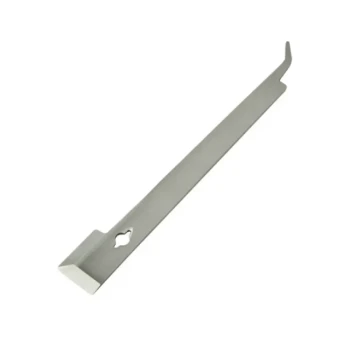
- Stainless Steel J Hook Hive Tool for Beekeeping
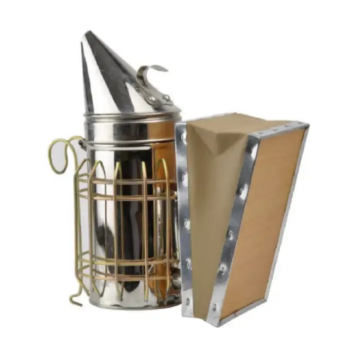
- Stainless Steel Honey Bee Smoker Hive and Honeycomb Smoker for Beekeeping
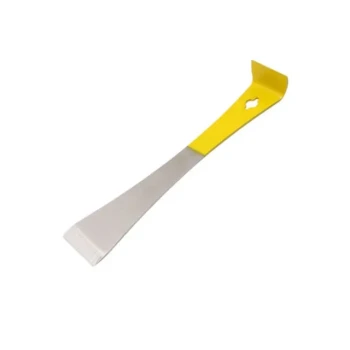
- HONESTBEE Classic Pry Bar Hive Tool with High Visibility Finish for Beekeeping
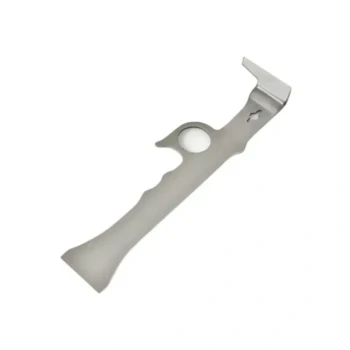
- HONESTBEE Advanced Ergonomic Stainless Steel Hive Tool for Beekeeping
- Durable Plastic Interlocking Hive Connector for Beekeeping
People Also Ask
- What specific challenges do beekeeping hive tools address during hive maintenance? Essential Solutions for Apiaries
- What is a J-hook hive tool and why is it favored by some beekeepers? Master Gentle Frame Handling
- What are the features of a J-hook hive tool? Effortlessly Lift Frames with Superior Leverage
- What is the purpose of the J-hook hive tool? Effortlessly Lift Frames with Superior Leverage
- How is a J-hook hive tool designed and what is its primary use? Master Effortless Hive Inspections