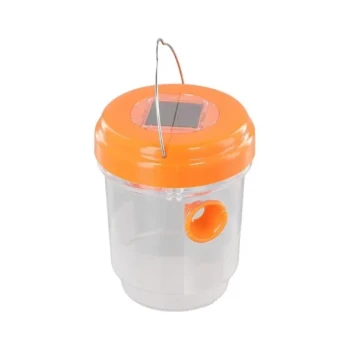
Swarm traps and professional collection tools serve as the critical bridge between natural selection and managed beekeeping. By utilizing these tools, breeders can capture wild honeybee colonies that have survived without human intervention—often indicating superior genetics and innate resistance to Varroa mites—and integrate them into controlled breeding programs.
The Core Mechanism Natural selection acts as a filter in the wild, leaving only the most resilient colonies to swarm. Capturing these swarms allows apiarists to harvest "survivor genetics," converting high-adaptation wild stocks into scalable resources that strengthen the overall gene pool against pests like Varroa.
Harvesting Natural Selection
Capitalizing on Survivor Stock
In the wild, honeybee colonies face immense pressure from pests and environmental stressors. Colonies that survive these pressures and eventually swarm possess high-adaptation genetic traits.
The Filter of Nature
Unlike managed colonies that are often chemically treated, wild survivors have developed natural defenses. Swarm traps are strategically placed to capture these specific populations, effectively selecting for bees that have already proven their ability to withstand Varroa infestations.
Converting Wild Resources to Apiary Assets
From Wild to Managed
Professional collection tools allow for the safe capture and relocation of these naturally occurring swarms. This process transforms a wild genetic resource into a controlled apiary resource without harming the colony structure.
Expanding the Gene Pool
Once relocating is complete, breeders can evaluate the specific traits of the captured colony. Integrating these wild genetics facilitates the large-scale expansion of Varroa-resistant populations, ensuring the breeding pool remains diverse rather than becoming inbred and vulnerable.
Supporting the Expansion Logistically
Ensuring Safe Distribution
While traps capture the genetics, specialized queen cages and package bee equipment are essential for distributing them. This equipment ensures high survival rates during long-distance transit, allowing resistant stock to be moved from breeding centers to commercial apiaries globally.
Protecting the Asset
Once resilient colonies are established, specialized tools for pest control (such as hornet traps) protect this investment. By reducing pressure from other biological enemies, these tools ensure the newly expanded resistant population can thrive without succumbing to secondary threats.
Understanding the Trade-offs
Unpredictable Temperament
While wild swarms may carry disease resistance, they are not bred for docility. Capturing wild stock introduces genetic uncertainty regarding aggression, which may require subsequent re-queening or behavioral selection.
Variable Resistance Levels
Not every captured swarm is a "super bee." Some swarms may simply be escapees from nearby treated apiaries rather than true wild survivors. Rigorous testing is required after capture to verify that the Varroa resistance is genetic and not just a fluke of location.
Making the Right Choice for Your Goal
To effectively utilize these tools for population expansion, align your equipment with your specific objective:
- If your primary focus is Genetic Diversity: Deploy swarm traps in isolated areas to capture feral survivors that likely possess unique, high-adaptation traits.
- If your primary focus is Commercial Stability: Utilize professional transport equipment to introduce proven, resistant package bees rather than relying solely on the unpredictability of wild captures.
- If your primary focus is Colony Retention: Invest in supplementary protection tools like hornet traps to ensure your resistant stock is not wiped out by environmental predators.
The ultimate value of collection tools lies not just in acquiring free bees, but in securing the genetic future of the species.
Summary Table:
| Tool Category | Primary Function | Genetic/Operational Benefit |
|---|---|---|
| Swarm Traps | Capturing feral swarms | Harvesting wild survivor stock with innate Varroa resistance |
| Collection Tools | Safe colony relocation | Converting wild genetic resources into manageable apiary assets |
| Transport Equipment | Distribution & transit | Ensuring high survival rates of resistant queens and packages |
| Protective Traps | Secondary pest control | Shielding established resistant stock from hornets and predators |
Secure Your Apiary's Genetic Future with HONESTBEE
Building a resilient, Varroa-resistant apiary requires more than just luck—it requires the right professional equipment. HONESTBEE empowers commercial apiaries and distributors with a comprehensive range of beekeeping tools, specialized machinery, and essential consumables designed for growth and sustainability.
From advanced swarm traps to capture hardy survivor stock, to specialized queen cages and honey-processing machinery, our portfolio supports every stage of your operation. Whether you are expanding a commercial breeding program or supplying the industry with high-quality hardware, we deliver the reliability you need.
Ready to elevate your beekeeping business? Contact HONESTBEE today for wholesale solutions and expert equipment support.
References
- Matthieu Guichard, Vincent Dietemann. Prospects, challenges and perspectives in harnessing natural selection to solve the ‘varroa problem’ of honey bees. DOI: 10.1111/eva.13533
This article is also based on technical information from HonestBee Knowledge Base .
Related Products
- HONESTBEE Collapsible Tiered Bee Swarm Catcher for Beekeeping
- HONESTBEE Professional Telescopic Pole Bee Swarm Catcher
- Reusable Clear Small Hive Beetle Traps for Beehives Beetle Trapping Tools
- Professional Bucket Style Wasp and Moth Pheromone Trap
- Removable Washable Hive Beetle Trap Attractants for Small Hive Beetles
People Also Ask
- What should be done if the swarm is situated on the bottom of a tree limb? A Guide to Methodical Bee Capture
- What role do swarm catchers play in maintaining the production scale of an apiary? Turn Colony Loss into Growth.
- What role does a Swarm Catcher play in the process of expanding apiary colony scale? Optimize Growth & Reduce Costs
- What precautions can be taken to prevent a newly captured swarm from absconding? Secure Your Swarm with Proven Methods
- What information should be gathered before attempting to catch a swarm of bees? A Safe and Successful Guide