Honeybee mandibles and proboscises impose different design requirements on a commercial hive. Mandibles are hard, force-producing tools used for chewing, cleaning, manipulating wax, handling propolis, and defending the colony, while the retractable proboscis is specialized for drawing and transferring liquids. Commercial apiaries should therefore treat hive entrances, feeders, comb systems, ventilation, and pest-control equipment as interfaces with bee anatomy, not as interchangeable hardware.
The central principle is simple: solid-material work is governed by the mandibles; liquid feeding and honey processing are governed by the proboscis. Equipment that supports these functions improves colony access and hygiene, while poorly designed hardware can obstruct feeding, restrict traffic, increase propolization, or interfere with pest-control behavior.
How Mouthpart Anatomy Shapes Hive Design
Mandibles govern solid-material handling
Worker mandibles allow bees to manipulate wax, clean debris, reshape hive entrances, and work with propolis. They also support defensive behavior and may help bees remove or damage hive pests during grooming and direct contact.
Hive components should tolerate repeated chewing, scraping, and propolis application. Entrance materials, frame parts, and internal surfaces that are weak, splinter-prone, or poorly finished can become damaged or create debris that increases cleaning demands.
Entrance reducers must balance access and defense
An entrance reducer changes how easily bees, air, and intruders move through the hive entrance. Because workers use the entrance as a defensive boundary that they can modify with wax and propolis, reducer dimensions and materials should support controlled traffic without creating sharp edges or obstructing workers.
Reducing the entrance can be useful during colony establishment, periods of weak population, or elevated robbing pressure. It should not be treated as a universal setting, particularly when colonies require greater airflow during hot weather or dense commercial handling.
Propolis changes equipment requirements
Bees use mandibles to collect and apply propolis to cracks, rough surfaces, brood-cell areas, and unwanted openings. This natural sealing behavior supports hive hygiene, but it can also glue together boxes, covers, and frame rests.
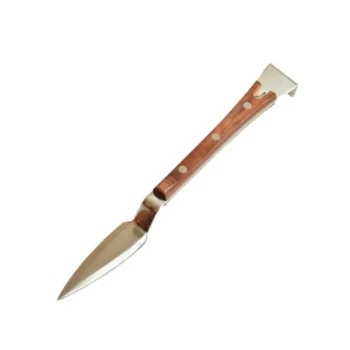
Commercial equipment should use accurate tolerances and surfaces that can be separated with standard hive tools. High-strength hive tools, frame scrapers, and durable box components are operational necessities when many colonies must be inspected or moved through honey extraction on a tight schedule.
Hive dimensions must support colony work
Hive dimensions determine the available space for brood development, comb construction, worker movement, and honey storage. A practical design gives bees enough usable interior space while preserving efficient access for inspections and equipment handling.
Comb-building capacity also depends on worker age structure. Wax-producing glands are most functional in young adult workers during a limited period of development, so commercial managers should coordinate foundation-frame placement and hive expansion with periods when colonies have a strong population of wax-producing workers.
How the Proboscis Shapes Feeding Protocols
The proboscis is a temporary liquid-feeding tube
The honeybee proboscis is formed from structures of the maxillae and labium and can be extended for liquid intake. Workers use it to collect nectar, water, and honey, and to transfer or spread liquid within the colony.
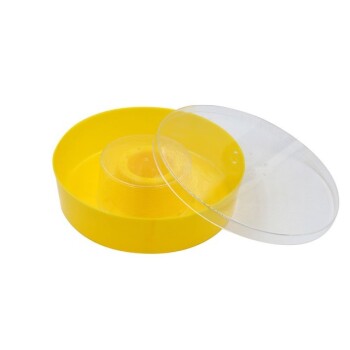
This anatomy means that liquid feeders should provide accessible, stable surfaces from which bees can collect fluid without excessive drowning risk. Feeder openings, channels, floats, and landing areas should be sized and finished for repeated proboscis access and safe worker movement.
Liquid and solid feeds require different interfaces
Liquid syrup is collected through the proboscis, whereas solid feed is handled through the mandibles. A commercial apiary should therefore select liquid feeders and solid-feed dispensers as different equipment categories rather than relying on one multipurpose design.
Liquid systems should minimize leakage, fermentation, contamination, and bee drowning. Solid-feed systems should keep the material dry, accessible, and positioned so that workers can remove it without excessive debris accumulating in brood or traffic areas.
Honey processing depends on liquid transfer
Foragers and house bees use the proboscis to move nectar and honey. Workers also spread nectar droplets, increasing exposure to hive airflow so water can evaporate during honey processing.
Hive design should therefore provide adequate internal circulation and avoid creating congested areas around feeders, comb, or entrances. Ventilated covers and screened components can support airflow, particularly in high-density colonies and during hot periods, but ventilation hardware must remain compatible with colony security and pest-control practices.
Feeding protocols should follow colony conditions
The appropriate feeder type and placement depend on colony strength, weather, transport status, and the risk of robbing. Equipment should provide controlled access so the target colony can feed without creating exposed liquid that attracts bees from neighboring colonies.
Distributors and apiary suppliers should offer a complete feeding range, including internal liquid feeders, external systems where appropriate, dry-feed dispensers, replacement parts, and cleaning-compatible components. Consistent availability matters because feeding failures often arise from missing fittings, poor seals, or unsuitable replacement hardware rather than from the feed itself.
How Mouthparts Inform Pest Management
Mandibles support natural defense and grooming
Mandibles contribute to cleaning, biting, and manipulation behaviors that can help workers remove foreign material and confront pests. Pest-management equipment should preserve worker access to affected areas and avoid creating surfaces that trap or injure bees.
However, natural grooming is not a complete varroa-management program. Varroa mites can reproduce within capped brood cells and remain difficult for workers to remove, so commercial apiaries need an integrated approach that combines monitoring, colony management, and appropriately selected control tools.
Pest-control hardware must protect bee surfaces
Honeybees have a wax-protected cuticle that helps limit water loss. Application equipment for organic acids, oxalic acid vaporizers, and other treatments must be calibrated and used according to the product and local regulations to avoid unnecessary exposure or damage to bees.
The practical requirement is controlled delivery: the equipment should distribute the treatment effectively against the target pest while limiting contact with bees, comb, equipment operators, and hive products. Protective gear, application accuracy, and treatment timing are as important as the treatment device itself.
Hive access affects treatment efficiency
Frames, boxes, and covers that are excessively propolized can delay treatment, inspection, and follow-up monitoring. Commercial hardware should allow reliable separation with hive tools while maintaining the colony's ability to seal unwanted gaps.
Equipment selection should also account for screened bottom boards, ventilation, and transport configurations. Airflow supports respiration and thermal regulation, but excessive openings or poorly fitted screens can undermine pest-control objectives and colony security.
Entrance hardware must avoid collateral stress
Entrance guards, reducers, and monitoring devices should have smooth, accurately sized openings. Poorly engineered grids can damage workers, interfere with normal traffic, or obstruct bees carrying materials and returning from foraging.
The same principle applies to pollen traps. They should remove pollen pellets from the corbiculae without trapping legs or disrupting grooming, wax handling, or normal movement through the entrance.
Understanding the Trade-offs
Security versus ventilation
A smaller entrance can improve defensive control and reduce robbing exposure, but it also restricts traffic and may reduce airflow. During hot weather, honey production, or live transport, screened bottoms, ventilated covers, and screened transport crates may be necessary to maintain respiration and thermal regulation.
The correct choice depends on colony population, climate, season, and transport conditions. Entrance reduction should be adjustable rather than permanently restrictive.
Propolis hygiene versus serviceability
Propolis contributes natural antibacterial and antifungal protection and helps seal the hive. Excessive propolization, however, increases labor, damages poorly engineered components, and slows inspections.
The best commercial equipment accepts propolis as a normal biological process while providing durable surfaces, consistent tolerances, and tool access for efficient separation.
Bee support versus product collection
Pollen traps can produce a valuable commercial output, but overly aggressive grids can injure workers or disrupt their movement. Likewise, feeding and pest-control equipment can improve management only when it does not compromise colony behavior or product quality.
Collection hardware should be evaluated by both yield and colony impact. A high-output device that increases injury, congestion, or stress may reduce overall apiary performance.
Treatment effectiveness versus bee exposure
A treatment device must reach the target pest, but excessive exposure can harm bees or degrade the protective properties of their cuticle. Vaporizers and applicators should be selected for controlled output, accurate calibration, and compatibility with the hive configuration.
Treatment decisions should follow label directions, monitoring results, and applicable regulations. Anatomy informs equipment design, but it does not replace a documented pest-management protocol.
Making the Right Choice for Your Goal
Equipment decisions should connect bee anatomy with the operating realities of the apiary.
- If your primary focus is hive productivity: Select dimensionally consistent hive components, durable frame systems, reliable foundation, and adjustable entrance hardware that support comb building, brood growth, honey storage, and efficient inspections.
- If your primary focus is feeding reliability: Use purpose-built liquid and solid feeders with safe access, leak-resistant construction, easy cleaning, and readily available replacement parts.
- If your primary focus is pest management: Combine monitoring with calibrated treatment equipment, screened or ventilated components, and hive hardware that supports worker grooming without relying on natural defense alone.
- If your primary focus is high-volume operations: Prioritize one-stop sourcing, standardized components, rapid technical response, and dependable fulfillment so replacement feeders, hive tools, frames, reducers, screens, and treatment accessories are available when colonies require them.
- If your primary focus is pollen or other hive-product collection: Choose precisely engineered traps and entrance devices that collect efficiently while preserving safe worker movement and normal colony routines.
When equipment is designed around how bees actually chew, drink, clean, defend, and regulate the hive, commercial apiaries gain a more reliable foundation for productivity, colony health, and efficient operations.
Summary Table:
| Aspect | Mandibles (Solid Material) | Proboscis (Liquid Material) |
|---|---|---|
| Function | Chewing, cleaning, wax manipulation, propolis handling, defense | Liquid intake, nectar/honey transfer, droplet spreading |
| Hive Design | Durable materials, smooth surfaces, propolis-resistant joints | Accessible feeder surfaces, stable landing areas, anti-drowning features |
| Feeding | Solid feed dispensers, dry-feed management | Liquid feeders with safe access, leak-resistant, easy cleaning |
| Pest Management | Grooming, debris removal, natural defense | Not directly involved; but equipment must not impede access |
| Equipment Considerations | High-strength tools, frame scrapers, accurate tolerances | Feeder openings, floats, channels sized for proboscis access |
Ready to optimize your apiary with equipment designed around bee anatomy? HONESTBEE offers a comprehensive range of beekeeping tools, machinery, and consumables tailored for commercial apiaries and distributors. From mandible-friendly hive components to proboscis-compatible feeders, we provide one-stop sourcing, rapid response, and ultra-fast delivery. Contact us today to discuss your needs and discover how our products can enhance your colony health and productivity. Get in touch now!
Related Products
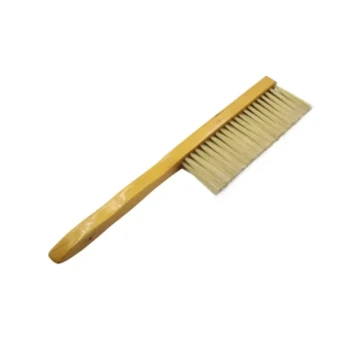
- Wooden Bee Brush with Double-Row Horsehair Bristles
- Classic Wooden Bee Brush with Double-Row Boar Bristles
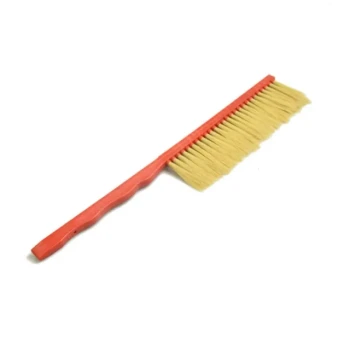
- Plastic Handle Single Row Artificial Fiber Bee Brush
- Plastic Bee Pollen Trap Strips Comb Catcher Collector
- Wooden Bee Brush with Triple Row Artificial Fiber for Beekeeping
People Also Ask
- Why is a bee brush necessary when extracting honeybee hive frames that contain larvae? Protect Your Brood and Colony
- What is the correct way to use a bee brush and what actions should be avoided? Master Gentle Hive Management
- What are the specific functions of the bee brush and the sealed sampling bottle? Optimize Your Parasite Sampling.
- What is a bee brush and what is it used for? Master Precision Bee Removal with Gentle Sweeping Techniques
- What is a bee brush used for in beekeeping? Essential Tool for Safe Hive Inspections & Honey Harvesting