The comparison between the crush and strain method and centrifugal extraction fundamentally comes down to a trade-off between initial cost and long-term hive efficiency. The crush and strain method is a low-cost, manual technique best suited for small-scale hobbyists, though it is slow and results in the destruction of the wax comb. In contrast, the centrifugal method utilizes mechanical force to extract honey rapidly while preserving the wax frames for future reuse, making it the preferred choice for growing or commercial operations.
Core Takeaway: While crush and strain offers the lowest barrier to entry financially, the centrifugal method is the superior investment for productivity. By preserving drawn comb, the centrifugal method saves the colony significant energy, allowing bees to focus on honey production rather than rebuilding wax.
Mechanisms of Extraction
The Crush and Strain Approach
This manual process relies on gravity rather than mechanical force. Instead of using an uncapping knife, you remove the honeycomb from the frames and use a mashing tool to break it apart.
The mashed comb is then placed into a filtration medium, such as a cheesecloth bag or metal sieve. The honey slowly drains into a collection container, leaving the wax and debris behind in the filter.
The Centrifugal Approach
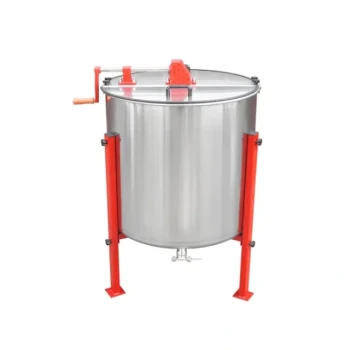
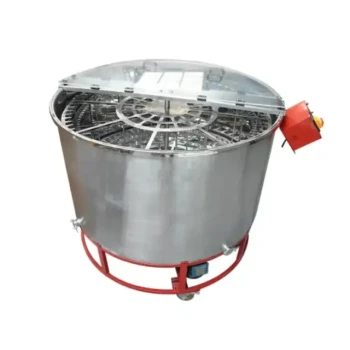
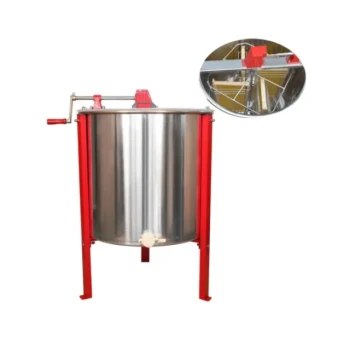
Centrifugal extraction uses a specialized machine, known as a honey extractor, to spin the frames at high speeds. This generates centrifugal force that flings the honey out of the uncapped cells and onto the walls of a stainless steel drum.
Because this method uses rotational force, it extracts honey much faster than gravity-based methods. It also allows for higher precision and hygiene consistency, which is essential for larger operations.
Impact on Hive Resources
Conserving Energy and Wax
A critical difference between the two methods is the fate of the wax frames. The centrifugal method keeps the drawn comb intact.
Because the structure is preserved, bees can immediately reuse the comb in future seasons. This saves the colony the substantial energy and resources required to secrete new wax, leading to higher honey yields in subsequent harvests.
The Cost of Wax Destruction
The crush and strain method destroys the wax comb entirely during the mashing process. Once the honey is harvested, the bees must rebuild the comb from scratch.
This makes the method less efficient for the colony in the long run. The bees must consume more honey to produce the energy needed to rebuild the wax infrastructure.
Equipment and Scalability
Financial Investment
Crush and strain is the "low-cost" option. It requires minimal equipment—often just a bucket, a filter, and a mashing tool—making it highly accessible for beginners or those on a strict budget.
Centrifugal extraction involves a "medium to high" initial investment. You must purchase a manual or automated extractor, which can be significant, though industrial-grade stainless steel equipment offers durability and longevity.
Speed and Throughput
For hobbyists with only a few hives, the slow pace of crush and strain is manageable. However, as the number of hives increases, the time required to manually mash and drain comb becomes prohibitive.
Centrifugal extractors are designed for speed. They significantly increase the volume of honey collected per season, making them the only viable option for medium-to-large scale operations.
Understanding the Trade-offs
Limitations of Crush and Strain
The primary downside is the labor intensity and the mess involved in manual mashing. Furthermore, because you are destroying the comb, you lose the "interest" on your investment—the drawn comb that speeds up next year's season.
Limitations of Centrifugal Extraction
The main barrier is the upfront cost and the space required to store the equipment. Additionally, extractors require thorough cleaning and maintenance to ensure hygiene, which can be a chore for a beekeeper with only one or two hives.
Making the Right Choice for Your Goal
Ideally, your extraction method should align with your budget and your future aspirations for your apiary.
- If your primary focus is low-budget entry: Choose the crush and strain method, as it allows you to harvest high-quality honey without purchasing expensive machinery.
- If your primary focus is maximum yield and growth: Invest in a centrifugal extractor, as preserving drawn comb enables your bees to produce more honey in future seasons.
The best method is the one that balances your current financial resources with your long-term goals for hive productivity.
Summary Table:
| Feature | Crush and Strain Method | Centrifugal Extraction Method |
|---|---|---|
| Mechanism | Manual mashing & gravity filtration | Mechanical centrifugal force |
| Initial Cost | Very Low (Buckets/Sieves) | Medium to High (Extractors) |
| Wax Fate | Destroyed (Must be rebuilt) | Preserved (Ready for reuse) |
| Honey Yield | Lower (due to wax rebuilding) | Higher (saves bee energy) |
| Scalability | Best for hobbyists (1-2 hives) | Ideal for commercial/growing apiaries |
| Labor Intensity | High (Slow & manual) | Low (Fast & efficient) |
Scale Your Honey Production with HONESTBEE
Choosing the right extraction method is the first step toward a profitable apiary. At HONESTBEE, we specialize in helping commercial apiaries and distributors maximize their efficiency through professional-grade equipment.
Whether you need high-capacity automated honey-filling machines, durable stainless steel extractors, or advanced hive-making machinery, we provide the full spectrum of tools and consumables required to run a successful operation. Our experts are ready to help you transition from manual methods to a high-yield industrial workflow.
Ready to upgrade your harvest? Contact HONESTBEE Today for Wholesale Solutions
Related Products
- Stainless Steel 3 Frame Manual Honey Extractor Spinner for Bee Honey Extraction
- Manual Hand Crank 4 Frame Honey Extractor Centrifuge for Beekeeping
- HONESTBEE 3-Frame Manual Acrylic Honey Extractor
- Stainless Steel Manual 8 Frame Radial Honey Extractor Machine for Beehives
- Plastic Hand Crank 2 Frame Honey Extractor Low Price
People Also Ask
- Which type of honey extractor is generally more durable? Focus on Material & Build Quality for Longevity
- What are the disadvantages of a manual honey extractor? Overcome Efficiency Bottlenecks in Your Apiary
- What is a manual honey extractor? The Essential Guide to Cost-Effective Beekeeping for Beginners
- Why are manual extractors popular among beginner beekeepers? A Guide to Starting Simple & Saving Money
- What are the primary advantages of utilizing a manual honey extractor? Cost-Effective & Gentle Harvesting