Honey analysis reports act as a decisive feedback loop for equipment procurement in modern apiculture. By revealing critical physico-chemical indicators like Hydroxymethylfurfural (HMF) content and enzyme values, these reports directly dictate the sophistication of the machinery required. Producers utilize this data to justify investing in professional harvesting systems and storage solutions that minimize product degradation.
The report system transforms abstract quality metrics into tangible economic incentives. Beekeepers upgrade to advanced collection and storage tools specifically to preserve biological integrity, ensuring higher grades and premium pricing on trading platforms.
The Direct Influence of Physico-Chemical Metrics
Monitoring HMF and Enzyme Levels
Analysis reports provide an objective measure of honey quality through specific indicators, most notably HMF content and enzyme values.
These metrics serve as a historical record of how the honey was handled. High HMF or low enzyme levels typically indicate thermal damage or improper aging, flagging the need for operational changes.
Upgrading Collection Equipment
To improve these specific metric scores, producers are motivated to abandon amateur tools in favor of professional honey collection equipment.
Professional gear is designed to extract honey without subjecting it to excessive heat or friction, which are the primary causes of enzyme destruction and HMF spikes during the harvest.
The Role of Storage Consumables
Preventing Post-Harvest Degradation
The influence of analysis reports extends beyond machinery to the selection of high-quality storage consumables.
Even perfectly harvested honey can degrade if stored in inferior containers. The data drives producers to select storage materials that maintain air-tight integrity and thermal stability to preserve the chemical profile established at harvest.
Securing Market Value
The ultimate goal of upgrading tools based on these metrics is economic.
Trading platforms often use these physico-chemical indicators to grade products. By using tools that preserve quality, producers achieve higher grades, directly unlocking better prices in the marketplace.
Understanding the Trade-offs
The Cost-Benefit Calculation
While upgrading tools improves analysis metrics, it requires significant upfront capital investment.
Producers must weigh the cost of professional-grade equipment against the projected increase in honey prices. High-end equipment is only financially viable if the producer intends to sell on platforms where grading is strictly enforced and premium quality is rewarded.
Operational Complexity
Adopting professional equipment often introduces new maintenance and operational requirements compared to simpler, traditional tools.
Operators must ensure that the increased complexity of the machinery does not create bottlenecks that negate the value of higher-quality output.
Making the Right Choice for Your Goal
When analyzing your production needs against honey reports, consider your market strategy:
- If your primary focus is Premium Market Grading: Invest heavily in "cold" extraction machinery and hermetic storage to keep HMF levels near zero and enzyme activity high.
- If your primary focus is Commercial Bulk Volume: Focus on equipment that balances throughput with acceptable metric standards, ensuring you meet minimum regulatory grades without over-investing in preservation technology.
Data-driven tool selection turns the art of beekeeping into a precision science, ensuring every drop of honey retains its maximum natural value.
Summary Table:
| Key Metric | Impact on Equipment Selection | Production Objective |
|---|---|---|
| HMF Content | Directs shift to low-friction extraction & thermal-stable storage. | Minimize heat damage and chemical degradation. |
| Enzyme Activity | Motivates investment in professional "cold" extraction machinery. | Preserve biological integrity and natural value. |
| Water Content | Influences choice of honey-filling and moisture-control machines. | Prevent fermentation and ensure shelf stability. |
| Purity/Grading | Dictates selection of high-grade stainless steel & food-safe consumables. | Secure premium pricing on global trading platforms. |
Elevate Your Apiary to Industrial Precision with HONESTBEE
Don't let poor metrics devalue your harvest. HONESTBEE specializes in empowering commercial apiaries and distributors with the professional-grade tools needed to master honey quality. From specialized honey-filling machines that preserve enzyme integrity to hive-making machinery and premium industrial consumables, our comprehensive wholesale portfolio is designed to ensure your honey achieves the highest market grades.
Ready to transform your production data into profit?
Contact HONESTBEE Today to source high-performance beekeeping machinery and tools tailored for the global market.
References
- Bilal Bağış, Çağlar Yurtseven. BİNGÖL BAL BORSASI İÇİN BİR MODEL ÖNERİSİ. DOI: 10.29029/busbed.334952
This article is also based on technical information from HonestBee Knowledge Base .
Related Products
- Precision Honey Refractometer Instrument for Quality Assessment
- Digital Honey Refractometer for Precision Measurement of Optimal Honey Quality
- Honey Bee Lifecycle Model: A Detailed Honeycomb Display of Bee Development
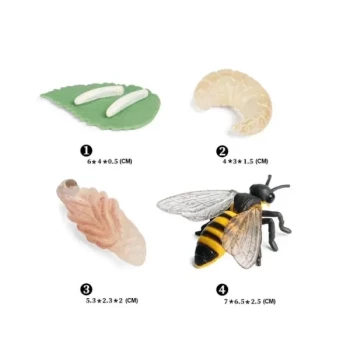
- Honey Bee Life Cycle Model 4 Stage Educational Set for Kids Learning
- HONESTBEE Anatomy Bee Model Detailed Anatomical Display for Education and Study
People Also Ask
- How do professional scientific instruments contribute to honey quality testing? Ensure Purity and Market Compliance
- Why is a honey refractometer important for beekeepers? Ensure Quality and Prevent Fermentation
- What are two critical factors for obtaining accurate results with a honey refractometer? Master Honey Testing Today
- What environmental conditions are suitable for operating a honey refractometer? Expert Tips for High Accuracy
- What is the recommended sample size for a honey refractometer and why? Master Precision with Just a Few Drops