Vitamin and mineral composite additives function by biologically manipulating the colony's preparation for dormancy. Specifically, they act to extend the queen bee's egg-laying period into the autumn while simultaneously ensuring that the resulting "winter bees" develop superior physiological reserves, particularly abundant fat bodies.
By directly influencing the physiological development of the bee and the reproductive timing of the queen, these additives shift the colony from a survival mode to a state of metabolic efficiency, reducing feed consumption and colony loss.
The Biological Mechanics of Winter Preparation
Extending the Reproductive Window
The primary function of these additives is to alter the natural cessation of breeding. By providing essential micronutrients, they stimulate the queen to extend her egg-laying period deeper into the autumn season.
This extension allows the colony to rear a fresh generation of young bees just before winter sets in. This ensures the population entering the cold months is not composed solely of aging foragers who may not survive the duration of winter.
Enhancing Physiological Quality
Quantity is irrelevant without quality; these additives function to improve the physiological state of the individual bees being reared.
The most critical aspect of this improvement is the development of abundant fat bodies. Unlike summer bees, winter bees require significant internal nutrient stores to survive months without foraging. These additives provide the metabolic building blocks necessary to maximize these internal reserves.
Economic and Survival Implications
Optimizing Feed Consumption
A unique function of these additives is the impact on colony metabolism. Bees with superior physiological states are able to consume feed reserves more economically.
By improving the metabolic efficiency of the bees, the colony burns through its stored honey and syrup at a slower, more controlled rate. This reduces the risk of starvation in late winter, even if food stores are limited.
Increasing Survival Rates
The ultimate function of these additives is the reduction of colony mortality. By combining a younger population with robust fat bodies, the overwintering survival rate is significantly improved.
Stronger bees are more resilient to cold stress and disease. Consequently, beekeepers see a tangible reduction in total colony losses come spring.
Understanding the Trade-offs
The Risk of Over-Extension
While extending egg-laying is beneficial, it must be balanced against local climate conditions. If the queen lays too late into the season, the colony may expend valuable energy trying to keep brood warm during unexpected early freezes.
Additive Quality vs. Quantity
Using additives does not replace the need for bulk macronutrients (carbohydrates and proteins). These composites function as catalysts for health, not as a replacement for the caloric density found in sugar syrup or honey.
Strategic Application for Overwintering
To maximize the benefit of vitamin and mineral composites, align their use with your specific colony management goals:
- If your primary focus is Colony Longevity: Prioritize additives in early autumn to maximize the development of fat bodies in the final brood cycles.
- If your primary focus is Resource Management: Use these additives to improve metabolic efficiency, ensuring your existing food stores last through the winter.
The correct application of these composites converts nutritional input into physiological insurance, securing the colony's future against the rigors of winter.
Summary Table:
| Function | Biological Mechanism | Overwintering Benefit |
|---|---|---|
| Reproductive Extension | Stimulates autumn egg-laying | Ensures a younger, healthier bee population for winter |
| Physiological Boost | Promotes fat body development | Increases internal nutrient reserves and cold resilience |
| Metabolic Efficiency | Optimizes nutrient processing | Reduces feed consumption and prevents late-winter starvation |
| Mortality Reduction | Enhances disease resistance | Increases spring survival rates and colony vigor |
Secure Your Apiary’s Future with HONESTBEE
Transitioning colonies through winter requires more than just luck; it requires professional-grade nutrition and equipment. HONESTBEE provides commercial apiaries and distributors with high-performance beekeeping tools, specialized honey-filling machinery, and essential industry consumables designed to maximize metabolic efficiency and colony health.
Whether you are scaling a commercial operation or supplying the next generation of beekeepers, our wholesale portfolio offers everything from hive-making hardware to premium nutritional support. Contact us today to discuss how our comprehensive equipment and supply solutions can enhance your production and minimize winter losses.
References
- D.O. Chornyi, O. P. Razanova. Effectiveness of the use of stimulating feedings in beekeeping. DOI: 10.32782/2226-0099.2025.143.2.31
This article is also based on technical information from HonestBee Knowledge Base .
Related Products
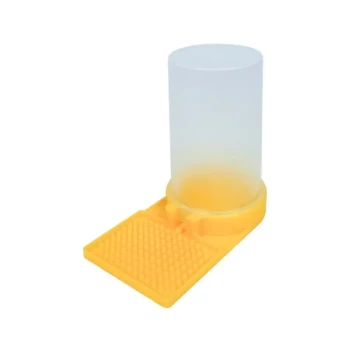
- HONESTBEE Entrance Bee Feeder Professional Hive Nutrition Solution for Beekeeping
- HONESTBEE Professional Entrance Bee Feeder Hive Nutrition Solution
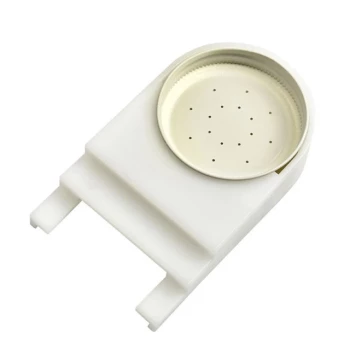
- HONESTBEE Round Hive Top Bee Feeder for Syrup
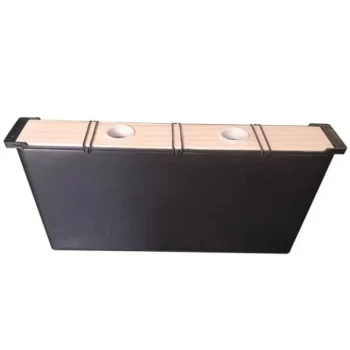
- HONESTBEE Professional Hive Top Bee Feeder Feeding Solution
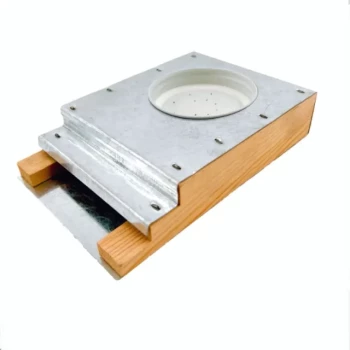
- HONESTBEE Entrance Bee Feeder Efficient Hive Front Liquid Feeding Solution for Beekeeping
People Also Ask
- What types of bee feeders are available for beginners? Start with the Simple Entrance Feeder
- What are the advantages and disadvantages of using an entrance feeder for bees? Balance Convenience and Hive Security.
- What is a bee entrance feeder and what are its drawbacks? Essential Guide to Hive Security and Feeding Efficiency
- How does a bee entrance feeder work? A Simple Guide to Convenient Hive Feeding
- How to make an entrance feeder for bees? A DIY Guide for Safe & Effective Feeding