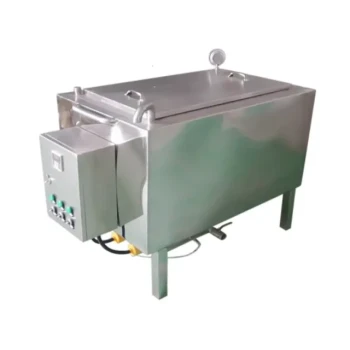
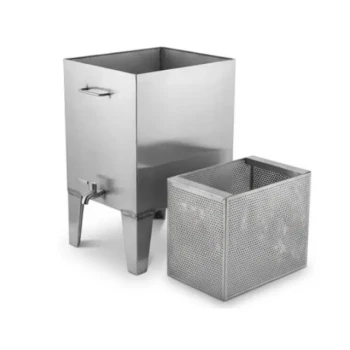
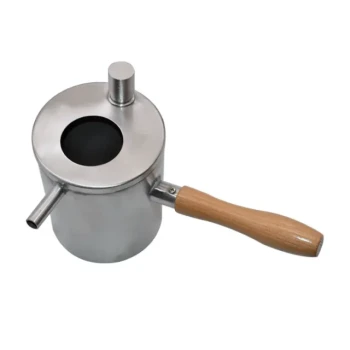
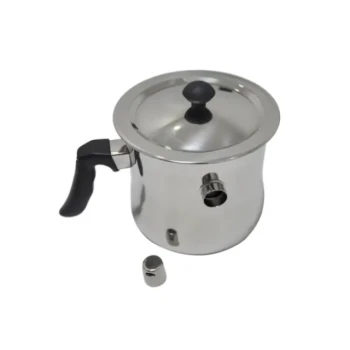
Wax melting and processing systems primarily prevent Nosema re-infection through high-temperature thermal sterilization. By liquefying old or potentially contaminated honeycomb foundations, these systems expose lingering spores to temperatures high enough to neutralize them. This process effectively converts contaminated biological waste into high-purity, sterile wax that is safe for manufacturing new comb foundations.
By coupling thermal sterilization with a closed-loop recycling strategy, these systems not only destroy existing spores but also eliminate the need for external wax sources, creating a comprehensive biological firewall against disease.
The Mechanics of Pathogen Neutralization
Thermal Destruction of Spores
The core function of these systems is the eradication of biological threats via heat. Nosema transmission relies on durable spores that can persist in old wax. The melting process raises the temperature of the honeycomb to a level where these spores are effectively neutralized, preventing them from infecting future generations of bees.
Recovering Sterile Material
Once the melting process is complete, the output is a high-purity liquid wax. This material has been stripped of the infectious agents found in the original comb. This allows apiaries to recover valuable resources without carrying over the disease load associated with used hive materials.
Safe Foundation Production
The sterile wax is subsequently used to manufacture new comb foundations. By ensuring the very structure the bees live on is biologically safe, the apiary drastically lowers the environmental viral load. This provides the colony with a clean slate, reducing the probability of re-infection from within the hive.
The Strategic Value of Closed-Loop Systems
Blocking External Pathogens
Beyond treating internal waste, these systems enable a closed-loop recycling process. Many apiaries rely on commercial beeswax substrates, which can inadvertently introduce pathogens from outside operations. By refining and reusing their own wax, commercial apiaries block this vector of entry entirely.
Autonomy and Epidemic Prevention
Internal recycling reduces dependence on external consumables. This self-sufficiency enhances the overall epidemic prevention level of the apiary. It serves as a key technology for sustainable production, ensuring that the only wax entering the hive has a known, safe history.
Operational Trade-offs and Considerations
Capital and Energy Intensity
Implementing a specialized refining system requires an investment in equipment and energy. The high temperatures required for effective sterilization demand consistent power consumption. Apiary managers must balance these operational costs against the long-term savings of reduced colony loss and lower medication costs.
Precision is Critical
The effectiveness of this method relies entirely on process control. If the temperature is not maintained at the correct level for the sufficient duration, spores may survive, rendering the effort futile. Conversely, overheating can degrade the chemical quality of the wax. Rigorous monitoring is essential to ensure biological safety without ruining the resource.
Ensuring Biosecurity for Your Apiary
To maximize the protective benefits of wax processing systems, align your usage with your specific operational goals.
- If your primary focus is Disease Eradication: Ensure your equipment is calibrated to maintain temperatures high enough to neutralize Nosema spores without fluctuation during the melting cycle.
- If your primary focus is Biosecurity and Sustainability: Commit to a strictly closed-loop system to eliminate the purchase of external foundation sheets, thereby isolating your colonies from outside contaminants.
Control the quality of your wax, and you control the health of your hive.
Summary Table:
| Key Feature | Benefit for Nosema Control | Operational Impact |
|---|---|---|
| Thermal Sterilization | Neutralizes durable spores through high-heat exposure | Converts contaminated waste into sterile wax |
| Closed-Loop Recycling | Blocks external pathogen entry from outside wax sources | Increases apiary autonomy and biosecurity |
| Safe Foundation Production | Provides a clean, pathogen-free structural slate for bees | Reduces environmental viral load within the hive |
| Purity Control | Strips infectious agents from old honeycomb material | Ensures high-quality, reusable biological resources |
Secure Your Apiary’s Future with HONESTBEE Professional Processing Solutions
Protecting your commercial apiary from Nosema re-infection requires more than just management—it requires the right industrial tools. HONESTBEE specializes in supporting commercial apiaries and distributors with a comprehensive range of beekeeping machinery designed for biosecurity and efficiency.
Our portfolio includes high-precision wax melting and processing systems, honey-filling machines, and hive-making equipment tailored for large-scale operations. By choosing HONESTBEE, you gain a partner dedicated to your sustainability and disease prevention goals, providing the professional hardware needed to maintain a sterile, closed-loop environment.
Ready to upgrade your biosecurity? Contact our expert team today to explore our wholesale beekeeping equipment and find the perfect machinery for your operation.
References
- Juraj Toporčák. Risk Assessment Of Infestation Of Nosematosis Of Bees - Nosema Apis A Nosema Ceranae In Slovak Republic. DOI: 10.5281/zenodo.819803
This article is also based on technical information from HonestBee Knowledge Base .
Related Products
- Electric Commercial Beeswax Melter for Factory Use
- Steam Beeswax Melter Wax Warmer for Wax Processing
- Professional Stainless Steel Wax Melter for Beekeeping and Crafts
- Solar Beeswax Melter Easy Solar Wax Melter for Beeswax
- Beeswax Melter for Candle Making Honey Bee Wax Melter
People Also Ask
- Why might a commercial beekeeper prefer an electric beeswax melter? Maximize Profit with Speed & Scale
- What safety precautions should be taken when melting beeswax? A Guide to Flammable Wax Handling
- What types of beeswax melters are available for different scales of beekeeping? Solar vs. Electric Melters Compared
- What are the three popular methods for melting beeswax? Safely Process Your Wax with Ease
- How do you melt beeswax without making a mess? Master Safe & Clean Techniques