A Bee Smoker functions essentially as a biological dampener. It generates cool, concentrated smoke that interrupts the colony's defensive communication network. By masking the alarm pheromones bees release when agitated, the device prevents the colony from coordinating a mass attack, keeping the insects calm and clustered during removal operations.
The smoker does not merely distract the bees; it fundamentally alters their priority hierarchy. By masking chemical signals and triggering a survival instinct, it shifts the colony’s focus from aggression to resource preservation.
The Physiology of Smoke Control
How the Device Operates
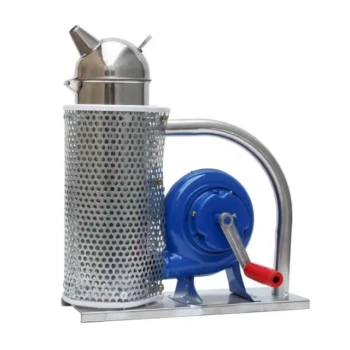
The smoker consists of a firebox and a bellows. Inside the chamber, fuel smolders at a slow rate due to restricted oxygen flow. This ensures the material creates smoke rather than an open flame.
The Role of the Bellows
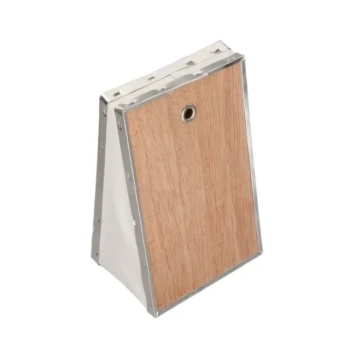
When the operator squeezes the bellows, a burst of fresh air is forced into the combustion chamber. This feeds the smoldering fuel just enough to expel a puff of cool smoke.
Importance of Smoke Temperature
It is critical that the smoke remains cool. Hot smoke or sparks can singe the bees' wings or bodies, which triggers an immediate, aggressive defensive reaction—the exact opposite of the desired effect.
Disrupting Chemical Communication
Blocking the Alarm Signal
Honeybees rely heavily on pheromones to communicate danger. When a guard bee senses a threat, she releases alarm pheromones to recruit other bees for defense.
Preventing Escalation
The primary function of the smoker is to mask these chemical scents. Because the smoke is dense, it physically overlays the pheromones. This prevents the alarm signal from spreading through the hive, stopping the defensive chain reaction before it begins.
Triggering the Survival Instinct
Simulating a Natural Threat
Beyond masking scents, the smoke triggers a deep-seated evolutionary response. To the bees, the smell of smoke signals a potential forest fire approaching their home.
The Feeding Response
Believing they may need to abandon the hive, the bees instinctively begin to gorge on honey. They consume large amounts of resources to fuel a potential migration.
Inducing Lethargy
This "feeding frenzy" creates a physical sedation effect. Engorged with honey, the bees become physically slower and more lethargic. Furthermore, a distended abdomen makes it mechanically difficult for a bee to curl its body to sting, significantly reducing the risk to the operator.
Understanding the Trade-offs
The Risk of Over-Smoking
While smoke is an essential tool, excessive use can be counterproductive. Flooding a hive with too much thick smoke can induce panic rather than calmness, causing bees to run wildly or become suffocated.
Temporary Effectiveness
The calming effect of smoke is transient. It creates a specific time window for operations. As the air clears and the smoke dissipates, the masking effect fades, and the bees may regain their defensive posture if the removal takes too long.
Making the Right Choice for Your Goal
To utilize a bee smoker effectively during removal, you must balance the volume of smoke with the temper of the hive.
- If your primary focus is Safety: Ensure the smoke is cool and white to effectively mask pheromones without injuring the bees or provoking a heat-based defense response.
- If your primary focus is Efficiency: Apply smoke in gentle puffs at the entrance and top bars to trigger the feeding response early, giving the colony time to settle before you begin major manipulation.
Mastering the smoker is not about overpowering the bees, but about speaking their language to negotiate a peaceful relocation.
Summary Table:
| Mechanism | Action | Resulting Effect |
|---|---|---|
| Pheromone Masking | Blocks alarm chemical signals | Prevents coordinated colony attacks |
| Bellows Airflow | Forces air into the firebox | Produces a controlled burst of cool smoke |
| Survival Instinct | Simulates a natural forest fire threat | Bees gorge on honey for potential migration |
| Physical Sedation | Bees become engorged with honey | Induces lethargy and reduces stinging ability |
| Optimal Temperature | Maintains cool, thick white smoke | Prevents injury to bees and avoids aggression |
Elevate Your Beekeeping Operations with HONESTBEE
At HONESTBEE, we specialize in empowering commercial apiaries and distributors with the high-performance tools needed for professional hive management. Whether you are conducting large-scale bee removals or routine maintenance, our comprehensive wholesale inventory is designed to meet your every need.
Our Value to You:
- Precision Engineering: From specialized hive-making and honey-filling machinery to high-efficiency bee smokers.
- Complete Supply Chain: Access a full spectrum of beekeeping hardware and essential industry consumables.
- Market Appeal: Expand your reach with our unique honey-themed cultural merchandise.
Ready to scale your business with industry-leading equipment? Contact us today to explore our wholesale solutions and discover how HONESTBEE can streamline your production from hive to honey jar.
References
- Mary Bammer, Amy T. Vu. Best Management Practices for Live Bee Removals in Florida: A Beekeeper’s Guide. DOI: 10.32473/edis-in1297-2020
This article is also based on technical information from HonestBee Knowledge Base .
Related Products
- Stainless Steel Honey Bee Smoker Hive and Honeycomb Smoker for Beekeeping
- Professional Bee Smoker with Elongated Spout and Durable Bellows for Beekeeping
- Premium Traditional Copper Bee Smoker with Bellows
- Heavy Duty Manual Bee Smoker Blower for Beekeeping
- European Stainless Steel Bee Smoker for Honey Bee Hive
People Also Ask
- What are bee smokers made out of? Choose the Right Material for Your Apiary
- What type of bee smoker is recommended for a beginner? Top Picks for Easy Hive Management
- Why is a stainless steel bee smoker considered indispensable? Master Hive Management with Cool Smoke Technology
- What is the best material for a bee smoker? Choose the Right Fuel for a Calm Hive
- How should a beekeeper use a smoker when approaching a hive? A Guide to Calm, Safe Inspections