A bee smoker functions by generating a stream of cool smoke that triggers a primal survival instinct in honeybees, temporarily overriding their defensive behavior. Physically, the device uses a bellows system to oxygenate smoldering fuel, while biologically, the resulting smoke induces the colony to consume honey and disrupts their ability to communicate threats.
The smoker pacifies bees through two primary mechanisms: it mimics a wildfire to trigger a feeding response that physically restricts stinging, and it masks the alarm pheromones that coordinate colony defense.
The Biological Response: Why Smoke Works
Triggering the "Wildfire" Instinct
When honeybees detect smoke, they perceive an immediate environmental threat, specifically a potential wildfire.
This triggers a deep-seated survival instinct to prepare for the possibility of abandoning the hive. Instead of defending their territory, the bees shift their focus to protecting the queen and preserving resources for migration.
The Sedative Effect of Engorgement
In preparation to flee, bees instinctively retreat into the hive to consume honey and nectar.
This ensures they have sufficient energy stores to survive the move and establish a new colony. The ingestion of these resources makes the bees lethargic and significantly less active.
Physical Restriction of Stinging
The act of gorging on honey creates a mechanical advantage for the beekeeper.
When a bee has a full stomach, its abdomen becomes distended and rigid. This makes it physically difficult for the bee to curl its abdomen into the necessary position to use its stinger.
Disrupting Chemical Communication
Beyond individual behavior, smoke acts as a jamming signal for the colony's communication network.
Guard bees typically release alarm pheromones to signal danger and incite the rest of the hive to attack. The smoke masks these scents, preventing the alarm signal from spreading and minimizing the defensive reaction of the entire colony.
The Mechanical Operation
Generating Cool Smoke
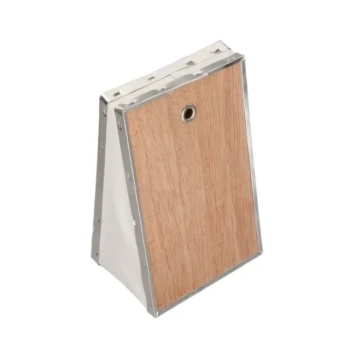
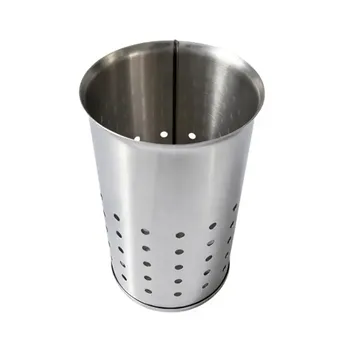
The device itself is a simple stainless steel combustion chamber attached to a set of bellows, typically made of wood and leather.
The beekeeper lights fuel inside the chamber and pumps the bellows to introduce oxygen. This keeps the fuel smoldering effectively without creating an open flame, generating a steady stream of "cool" smoke.
Directional Control
The smoker features a funnel-like nozzle that allows for precise application.
This allows the beekeeper to direct smoke exactly where it is needed—usually at the hive entrance or across the top bars of the frames—to pacify the bees before and during inspections.
Understanding the Trade-offs
Temperature Management
It is critical that the smoke generated is cool, not hot.
Hot smoke or sparks can singe the bees' wings or bodies, causing injury rather than pacification. This can inadvertently increase agitation rather than reducing it.
Alternatives and Limitations
While traditional smokers are the standard, alternatives like liquid smoke sprays or sugar syrup mists exist.
However, using sugar syrup requires caution; it should only be used under ideal conditions. Misuse can trigger "robbing," where bees from other hives attack the wet colony to steal the syrup.
Making the Right Choice for Your Goal
To effectively manage a hive, you must match your tool to the specific needs of the colony and the environment.
- If your primary focus is standard hive inspection: Use a traditional smoker with cool smoke to leverage both the gorging instinct and pheromone masking for maximum safety.
- If your primary focus is preventing stings: Ensure the bees have had a moment to consume honey after smoking; a full abdomen is the most effective physical deterrent against stinging.
- If your primary focus is minimizing equipment: Consider liquid smoke for very small, quick tasks, but be aware it may not trigger the deep biological "gorging" response as effectively as real smoke.
Success in beekeeping comes not just from having the tool, but understanding the biological behavior it controls.
Summary Table:
| Mechanism | Action Taken by Bees | Benefit to Beekeeper |
|---|---|---|
| Wildfire Instinct | Bees consume honey to prepare for migration | Reduces defensive aggression and stinging |
| Physical Gorging | Abdomens become distended/heavy | Bees find it mechanically difficult to sting |
| Pheromone Masking | Smoke blocks alarm pheromone scents | Prevents the colony from coordinating an attack |
| Bellows System | Smoldering fuel creates cool smoke | Provides directional control without harming bees |
Elevate Your Beekeeping Operations with HONESTBEE
At HONESTBEE, we understand that professional beekeeping requires precision tools that respect bee biology. As a premier partner for commercial apiaries and distributors, we provide a comprehensive wholesale range of high-quality beekeeping equipment—from robust smokers and specialized hardware to advanced honey-filling machines and cultural merchandise.
Whether you are scaling your production or stocking a distribution network, our expertise ensures you have the reliable tools needed to maximize efficiency and colony health. Contact us today to explore our wholesale solutions and see how we can support your business growth.
Related Products
- Stainless Steel Honey Bee Smoker Hive and Honeycomb Smoker for Beekeeping
- Professional Bee Smoker with Elongated Spout and Durable Bellows for Beekeeping
- Premium Traditional Copper Bee Smoker with Bellows
- Heavy Duty Manual Bee Smoker Blower for Beekeeping
- European Stainless Steel Bee Smoker for Honey Bee Hive
People Also Ask
- What are bee smokers made out of? Choose the Right Material for Your Apiary
- What type of bee smoker is recommended for a beginner? Top Picks for Easy Hive Management
- Why is a stainless steel bee smoker considered indispensable? Master Hive Management with Cool Smoke Technology
- Why is a specialized bee smoker considered a critical tool for apiary safety? Master Hive Control & Productivity
- How do bee smokers and colored light sources work together to assist in night-time honey harvesting? Expert Strategies