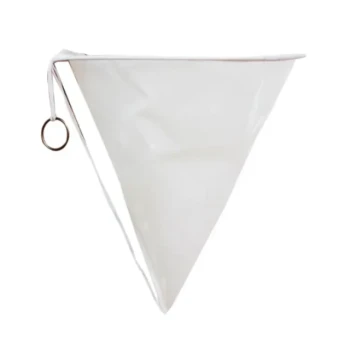
Fine filtration acts as the definitive quality control mechanism in honey processing, transforming raw extraction into a stable, commercially viable product. By utilizing filter screens or materials with specific pore sizes, the system physically removes inorganic and organic impurities, such as beeswax fragments and bee remains, to produce a clear, transparent liquid. Crucially, this process significantly reduces pollen content, which directly delays crystallization and enhances the overall sensory evaluation and shelf appeal of the final product.
The core value of fine filtration lies in stabilization. By removing particulate matter that acts as "seeds" for crystallization and fermentation, the system extends the honey's liquid shelf life and aligns the product with modern food safety and aesthetic standards.
Enhancing Physical Appearance and Marketability
Achieving Superior Clarity
The immediate impact of a fine filtration system is visual. Raw honey often contains suspended particles, including wax debris, larval remains, and other micro-impurities introduced during extraction.
Fine filtration intercepts these solids, resulting in a product with high transparency. This clarity is a primary driver of consumer preference and allows the honey to meet the visual requirements for high-end commercial grades.
Improving Sensory Evaluation
Beyond visuals, filtration refines the texture and mouthfeel of the honey. By removing gritty beeswax particles and organic residues, the system ensures a smooth consistency.
This elevation in sensory quality is essential for securing a market premium. It distinguishes professionally processed honey from raw counterparts that may be perceived as unrefined or "dirty" by general consumers.
Extending Shelf Life and Stability
Delaying Crystallization
Crystallization is a natural process, but it is often viewed as a defect by consumers. Solid particles, particularly pollen grains and microscopic wax bits, act as nucleation sites where sugar crystals begin to form.
By significantly reducing the pollen content and removing solid impurities, fine filtration removes these nucleation sites. This effectively delays the solidification process, keeping the honey in a desirable liquid state for a longer period on the shelf.
Preventing Spoilage
Organic residues left in honey can serve as a catalyst for fermentation. If yeast or moisture-retaining debris remains in the mixture, the honey risks souring over time.
Multi-stage filtration systems remove these organic risks. This ensures the biological stability of the honey after bottling, preventing fermentation and maintaining safety standards during long-term storage.
Equipment Integrity and Material Safety
The Role of Stainless Steel
The quality of the filtration equipment itself plays a role in the chemical purity of the honey. Honey is naturally acidic, which can cause inferior metals to corrode.
Professional filtration systems utilize food-grade stainless steel. This corrosion-resistant material prevents metal ions from leaching into the product, thereby preserving the honey's physicochemical stability and ensuring it remains free of metallic contamination.
Preserving Nutritional Integrity
Unlike traditional manual squeezing methods, which can introduce contaminants or oxidize the product, modern mechanical filtration is designed to be efficient yet gentle.
Properly calibrated filtration separates impurities without destroying essential nutrients. It balances the need for purity with the preservation of the honey's inherent flavor profile.
Understanding the Trade-offs
The Pollen Reduction Factor
It is important to recognize that "quality" is subjective based on the target market. Fine filtration improves clarity and shelf life specifically by removing pollen.
However, pollen is often used to trace the floral origin of honey and is valued in "raw" honey markets. High-density filtration creates a more stable, clear product, but it does so by altering the honey's natural pollen composition.
Over-Processing Risks
While removing debris is necessary, excessive filtration (sometimes called ultra-filtration) can strip honey of its unique character. The goal is to remove impurities that degrade quality (wax, legs, larvae) while maintaining the nutritional components that define the honey.
Making the Right Choice for Your Goal
To ensure your filtration process aligns with your product goals, consider the following:
- If your primary focus is Mass Market Retail: Prioritize fine filtration to maximize clarity and minimize pollen, ensuring the product remains liquid and attractive on supermarket shelves for as long as possible.
- If your primary focus is "Raw" or Artisanal Honey: Use a coarser filtration mesh that removes macroscopic debris (wax and bee parts) but retains the pollen required for botanical origin verification.
- If your primary focus is Food Safety: Ensure your system utilizes corrosion-resistant stainless steel to prevent chemical contamination from the equipment itself due to honey's acidity.
Fine filtration is not just about cleaning honey; it is a strategic tool for controlling the texture, longevity, and commercial value of your final product.
Summary Table:
| Feature | Impact on Honey Quality | Benefit to Producer |
|---|---|---|
| Impurity Removal | Eliminates wax, bee remains, and debris | Superior clarity and high-end market appeal |
| Pollen Reduction | Removes nucleation sites for sugar crystals | Significantly delayed crystallization and longer shelf life |
| Organic Filtration | Removes yeast-catalyzing residues | Prevents fermentation and ensures biological stability |
| Stainless Steel Build | Prevents acid-based metal leaching | Guaranteed chemical purity and food safety compliance |
| Texture Refinement | Eliminates gritty particles | Smoother mouthfeel and premium sensory evaluation |
Elevate Your Honey Production with HONESTBEE
At HONESTBEE, we understand that professional-grade filtration is the bridge between raw extraction and a premium, market-ready product. As a leading supplier to commercial apiaries and distributors, we provide high-performance honey-processing machinery and food-grade stainless steel filtration systems designed to maximize clarity and shelf stability.
Whether you need specialized honey-filling machines, industrial-scale hive-making equipment, or essential consumables, our comprehensive wholesale offering ensures your operations meet the highest industry standards.
Ready to scale your honey business? Contact us today to discover how our equipment and expertise can optimize your production line.
References
- Federica Litrenta. Safety and Toxicological Risk Assessment of Northern Algerian Honeys. DOI: 10.3390/agriculture15232421
This article is also based on technical information from HonestBee Knowledge Base .
Related Products
- Electric Double Wall Honey Filtering Machine Purifier Equipment for Honey Processing Plant
- Professional Stainless Steel Honey Filtering Machine with Water Bath Heating for Beekeeping
- Professional Honey Filter with Tripod Support Stand
- Professional Stainless Steel Honey Filter with Support Handle
- 0.5T Capacity Honey Dehumidifier Dryer with Vacuum Heating and Thickening Filtering Machine
People Also Ask
- What is the process of filtering honey? A Guide to Clean, Pure, and Market-Ready Honey
- What types of equipment are used in honey filtering? Build an Efficient System for Pure, Marketable Honey
- What is the overall importance of using the right equipment in honey filtering? Boost Quality & Marketability
- What role do professional honey harvesting and filtering equipment play in meeting honey market quality standards? Boost ROI
- What are the benefits of drying honey filtering equipment after use? Protect Your Honey Quality & Equipment Investment