A flowering calendar serves as a critical predictive tool, signaling the precise months when natural nectar flows are interrupted. By identifying these periods of scarcity in advance, the calendar dictates exactly when beekeepers must install supplemental feeding equipment to administer artificial nutrients, preventing colony decline before natural resources return.
By mapping natural resource gaps, a flowering calendar shifts beekeeping from reactive crisis management to proactive planning. It identifies the specific window for installing feeders, ensuring colonies maintain the population density and energy required to capitalize on the next major nectar flow.
The Strategic Role of the Calendar
Predicting Resource Interruptions
A flowering calendar does more than track blooms; it specifically highlights months of "nectar dearth."
This data identifies when natural food sources will be insufficient to support the hive.
By pinpointing these interruptions, the calendar acts as an early warning system for potential colony starvation or stagnation.
Triggering Equipment Installation
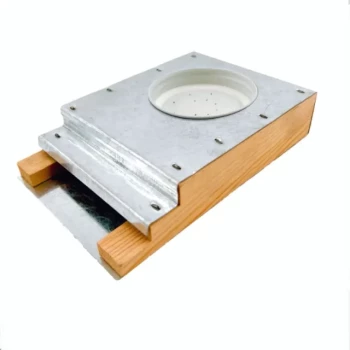
The primary function of the calendar in this context is to schedule the installation of feeding hardware.
Managers use the dates provided by the calendar to proactively set up feeders before the colony stresses.
This allows for the precise administration of sugar syrup or dry sugar exactly when the bees need it most.
Optimizing Colony Health via Supplemental Feeding
Preventing Population Decline
During dry seasons or dearth periods, colonies risk starvation or mass absconding.
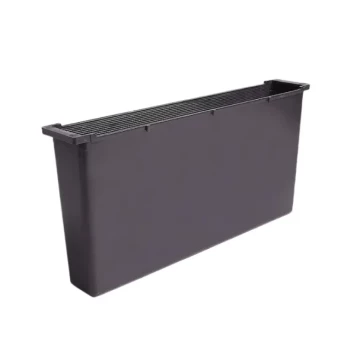
Supplemental feeding equipment provides the essential carbohydrates and proteins needed to prevent this collapse.
It ensures the workforce remains strong and healthy, bridging the gap between natural blooms.
Stimulating Queen Activity and Growth
The goal of supplemental feeding is not merely survival; it is continuous development.
The calendar ensures feeders are active in time to support rapid population growth and queen replacement.
By simulating a natural flow, the equipment encourages the queen to continue laying eggs and nurse bees to secrete royal jelly.
Preparation for the Next Flow
The ultimate objective of using the calendar to guide feeding is future readiness.
A colony that is fed through the dearth remains robust and energized.
This ensures the hive is at full strength and ready for intensive foraging the moment the next natural nectar flow begins.
Critical Considerations and Risks
The Risk of Reactive Management
If a beekeeper ignores the calendar and delays equipment installation, the colony may face irreversible decline.
Without the timely intervention signaled by the calendar, bees may abscond due to starvation before feeders are introduced.
The Necessity of Controlled Dosage
Using equipment allows for "regular and controlled quantities" of feed.
This precision is vital; haphazard feeding may not sufficiently simulate a nectar flow to trigger the nursing instincts required for queen breeding.
Making the Right Choice for Your Goal
To effectively utilize a flowering calendar for supplemental feeding, consider your primary management objective:
- If your primary focus is Colony Survival: Use the calendar to identify the start of the dry season and install feeders immediately to prevent starvation and mass absconding.
- If your primary focus is Production Readiness: Use the calendar to begin feeding well before the next bloom to stimulate egg laying and ensure a maximum workforce is ready for the harvest.
- If your primary focus is Queen Breeding: Use the calendar to simulate nectar flows during dearth periods, ensuring nurse bees maintain the royal jelly secretion necessary for queen cell development.
Success depends on using the calendar not just to observe nature, but to precisely time the artificial support your colonies need to thrive.
Summary Table:
| Strategic Need | Calendar Signal | Equipment Function | Management Outcome |
|---|---|---|---|
| Survival | Start of dry season | Install feeders for carbs/proteins | Prevents starvation & absconding |
| Growth | Pre-bloom gap | Stimulate queen via syrup feed | Maximizes workforce for next flow |
| Breeding | Nectar dearth | Regular, controlled dosing | Sustains royal jelly production |
| Readiness | End of dearth | Transition from feed to forage | Ensures colony is at full strength |
Maximize Your Colony Potential with HONESTBEE
At HONESTBEE, we understand that timing is everything in professional beekeeping. We support commercial apiaries and distributors by providing the high-quality beekeeping tools, machinery, and essential consumables needed to bridge the gap between nectar flows.
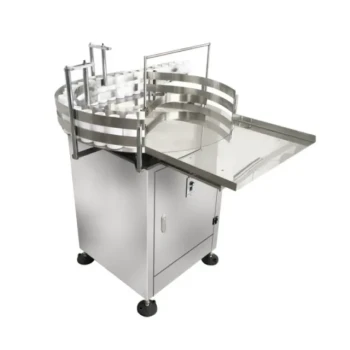
Whether you require precise honey-filling machines for your harvest or durable feeding equipment to sustain your hives during a dearth, our comprehensive wholesale portfolio has you covered. Partner with us to ensure your colonies remain robust, productive, and ready for every season.
Contact HONESTBEE Today to Scale Your Operation
References
- Bishnu Neupane, Jiban Shrestha. Diversity study and development of bee floral calendar for Kavrepalanchowk district, Nepal. DOI: 10.3126/janr.v7i1.73210
This article is also based on technical information from HonestBee Knowledge Base .
Related Products
- In-Hive Dual Compartment Frame Bee Feeder for Targeted Colony Nutrition
- HONESTBEE Professional Hive Top Bee Feeder Feeding Solution
- HONESTBEE Entrance Bee Feeder Efficient Hive Front Liquid Feeding Solution for Beekeeping
- HONESTBEE Entrance Bee Feeder Professional Hive Nutrition Solution for Beekeeping
- HONESTBEE Professional Entrance Bee Feeder Hive Nutrition Solution
People Also Ask
- What are the advantages of using a frame feeder for bee colonies? Boost Growth and Prevent Robbing Efficiently
- Why should sugar syrup or dry sugar not be left out in the open when feeding bees? Avoid a Dangerous Feeding Frenzy
- What precautions should be taken when feeding bees inside the hive? Safeguard Your Colony from Robbing and Leaks
- How do in-hive feeders support honey bee colonies during autumn? Ensure Overwintering Success for Your Apiary
- Why is an in-hive feeder necessary for stimulatory feed? Protect Nano-Particle Integrity and Dosage Accuracy