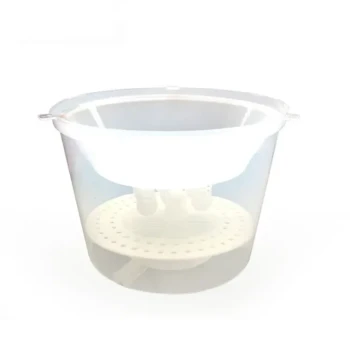
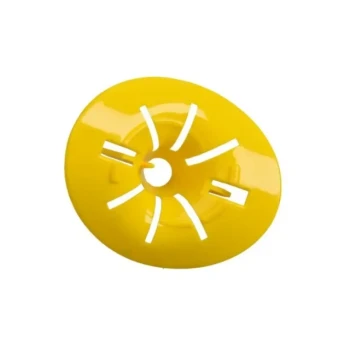
A Pollen Trap functions by leveraging the natural entry behavior of foraging bees to mechanically separate pollen from the insect. Installed directly at the beehive entrance, the device forces returning bees to squeeze through a grid of specifically sized openings. As the bees pass through these narrow apertures, the pollen pellets stored on their hind legs (corbiculae) are scraped off and fall into a secure collection tray below.
By functioning as a precise mechanical filter, the Pollen Trap enables the non-contact harvesting of fresh, raw pollen. This allows for standardized collection and environmental monitoring without requiring manual intervention or harming the foraging bees.
The Mechanics of Interception
The Grid System
The core component of the trap is a physical barrier featuring internal grids or screens. These grids are engineered with specifically sized openings that are just large enough for a worker bee to pass through, but narrow enough to impact the bee's legs.
Dislodging the Payload
As foraging bees attempt to re-enter the hive through these restricted openings, the edges of the grid mechanically scrape against the pollen pellets attached to their hind legs.
This friction dislodges the pellets from the bee’s pollen baskets. Gravity then causes the loose pollen to fall immediately into a collection drawer located beneath the grid, separating the harvest from the colony.
Passive Batch Separation
This design facilitates efficient, non-contact harvesting. Because the separation occurs automatically as the bee enters, it allows for the continuous, batch accumulation of pollen without the beekeeper needing to handle individual insects.
Operational Objectives
Preserving Raw Quality
A primary function of the trap is to intercept pollen before it enters the hive's internal processing system.
By collecting the pellets at the entrance, the trap prevents the bees from processing the material into bee bread. This ensures the pollen remains raw and minimally disturbed, retaining its original botanical and chemical properties for analysis or consumption.
Monitoring and Standardization
The trap serves as a standardized sampling tool. By collecting pollen across specific timeframes, researchers and beekeepers can monitor foraging activities and assess plant diversity in the surrounding environment.
Understanding the Trade-offs
Colony Nutrition Balance
While the trap is efficient, it is designed to be selective rather than total.
Supplementary data indicates that these devices typically intercept approximately 50% of the pollen loads. This partial collection is intentional; it secures a harvest for the beekeeper while ensuring enough protein bypasses the trap to support the colony's survival.
Entrance Restriction
The installation of a trap inherently restricts the hive entrance.
Forcing bees to squeeze through small holes alters the traffic flow at the hive entry. While necessary for collection, this mechanical restriction requires careful management to ensure it does not cause excessive stress or congestion for the colony during peak foraging hours.
Making the Right Choice for Your Goal
Whether you are harvesting for commercial sale or conducting environmental research, the Pollen Trap is the industry standard for obtaining raw material.
- If your primary focus is Commercial Harvesting: Prioritize traps with high-capacity collection trays to maximize yield efficiency while ensuring the grid size minimizes damage to the bee.
- If your primary focus is Environmental Research: Use the trap to create standardized time-series samples, allowing you to accurately map local plant diversity and flowering periods based on pollen composition.
The Pollen Trap effectively transforms a beehive into a passive data collection point, balancing the needs of the harvester with the health of the hive.
Summary Table:
| Component | Function | Benefit |
|---|---|---|
| Grid System | Mechanically scrapes pollen from bee legs | Automated, non-contact harvesting |
| Collection Tray | Captures falling pollen pellets securely | Prevents processing into bee bread |
| Selective Aperture | Intercepts ~50% of incoming pollen | Balances harvest yield with colony nutrition |
| Passive Design | Operates via natural bee entry behavior | Reduces labor and manual intervention |
Scale Your Bee Pollen Production with HONESTBEE
Maximize your apiary's output with professional-grade harvesting equipment. HONESTBEE specializes in serving commercial apiaries and distributors by providing a full spectrum of high-capacity pollen traps, hive-making machinery, and honey-filling systems.
Whether you are expanding a wholesale operation or sourcing essential consumables, our comprehensive portfolio ensures your business has the tools to succeed. Contact us today to discover how our specialized hardware and beekeeping expertise can streamline your operations and enhance your market value.
References
- Sahin Aydin, Serhat Solmaz. An Ontology for Apiculture Practices (Onto4API): Towards Semantic Interoperability and Knowledge Sharing in the Apiculture Community. DOI: 10.18615/anadolu.1749470
This article is also based on technical information from HonestBee Knowledge Base .
Related Products
- Removable Plastic Pollen Trap With Ventilated Tray for Bees Pollen Collector
- 30 cm Plastic Entrance Hole Bee Pollen Trap and Collector
- Plastic Bee Pollen Trap Strips Comb Catcher Collector
- High-Efficiency Diamond Maze Bee Escape for Clearing Supers
- Professional Bucket Style Wasp and Moth Pheromone Trap
People Also Ask
- What are the design principles and advantages of pollen traps in the collection of bee pollen? Boost Your Apiary Yield
- What is the function of professional pollen traps in evaluating honey plants? Quantifying Pollination and Crop Potential
- What functions do pollen traps serve for bee bread production? Optimize Your Raw Material Collection
- What maintenance and pest prevention measures should be taken for pollen traps? Protect Your Hive and Harvest Quality
- How does the use of pollen traps in honeybee hives enhance crop fertilization? Boost Your Yield Through Induced Activity