The strategic use of a queen excluder creates a physical boundary that directly dictates the maximum population capacity of a hive.
By confining the queen to a specific section of the hive, usually the lower brood chambers, you strictly limit the available surface area for egg-laying. This restriction acts as a mechanical throttle on colony growth, preventing the population from expanding beyond a manageable size, which is a critical tactic when dealing with aggressive bee strains.
Core Takeaway A queen excluder does not inherently change bee genetics, but it controls the manifestation of those genetics by limiting the brood population. By capping the number of offspring a queen can produce, you maintain a smaller, more manageable colony, which is essential for mitigating the risks associated with aggressive or defensive hive temperaments.
The Mechanics of Population Control
Limiting the Laying Area
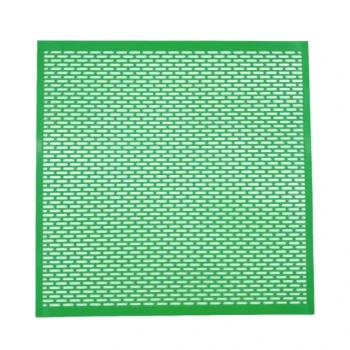
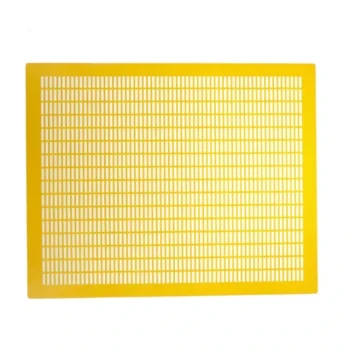
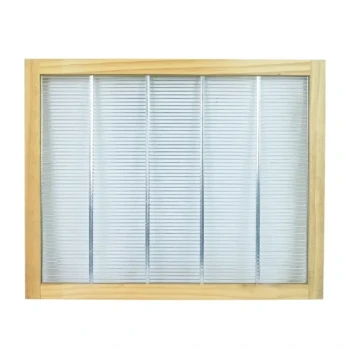
The primary function of the queen excluder is to restrict the queen's movement based on size. The device utilizes a grid with precise spacing—large enough for worker bees to pass through, but too narrow for the queen's larger thorax. By placing this barrier above the brood boxes, you physically prevent the queen from entering honey supers or upper hive bodies.
Establishing a Population Ceiling
Without an excluder, a prolific queen may expand the brood nest upward into honey supers, resulting in a massive population boom. By confining her to the lower boxes, you cap the total number of cells available for brood rearing. Once the available cells in the brood chamber are full, the colony's growth rate plateaus. This prevents the exponential population spikes that can make a colony difficult to inspect or manage.
Managing Temperament Through Size
Mitigating Aggressive Strains
The size of a colony often correlates with the intensity of its defensive response. A massive colony of aggressive bees can be dangerous and difficult to work with. As noted in the primary reference, the excluder is particularly effective in regions with aggressive strains. By limiting the brood population, you keep the number of defensive bees at a level that is safer for the beekeeper to handle.
Facilitating Genetic Management
While the excluder limits population size, it also aids in long-term temperament management by simplifying the re-queening process. Because the queen is confined to a known area (the bottom box), she is easier to locate. This facilitates the removal of an aggressive queen and the introduction of a new queen with gentler genetics (such as Varroa Sensitive Hygiene traits).
Controlled Reproductive Research
In advanced management or research scenarios, high-precision excluders can be used to prevent virgin queens from taking mating flights. This allows for strict control over the queen's mating status and prevents the introduction of unknown or undesirable genetics into the colony, ensuring the social structure remains stable and predictable.
Understanding the Trade-offs
Necessity of Use
While effective for restriction, an excluder is not always required for every hive setup. Supplementary data suggests that in hives utilizing multiple hive bodies for the brood nest, the queen may naturally limit her laying without a mechanical barrier. The use of an excluder should be a deliberate choice based on your specific goals for population density and honey harvesting.
Honey Super Isolation
The most common "side effect" of using an excluder is the segregation of the hive. While this keeps the honey supers free of brood (and therefore "clean" for harvesting), it forces worker bees to squeeze through the mesh to store nectar. In some cases, this can slightly slow down the movement of workers into the upper supers, though modern designs minimize this friction.
Making the Right Choice for Your Goal
To determine if a queen excluder is the right tool for your current management strategy, consider your primary objective:
- If your primary focus is Temperament Control: Use the excluder to restrict the queen to a single brood box, keeping the population of aggressive strains small and manageable.
- If your primary focus is Honey Production: Use the excluder to ensure honey supers remain free of eggs and larvae, simplifying the extraction process.
- If your primary focus is Genetic Control: Use the excluder to confine the queen for easy location during re-queening or to prevent unauthorized mating flights in research contexts.
The queen excluder is not just a harvest tool; it is a volume knob for your colony's population and a safety barrier against unmanageable aggression.
Summary Table:
| Feature | Impact on Hive Management | Benefit to Beekeeper |
|---|---|---|
| Laying Restriction | Caps the total number of brood cells available | Prevents unmanageable population spikes |
| Physical Barrier | Confines the queen to lower brood chambers | Simplifies queen location for re-queening |
| Space Segregation | Keeps honey supers free of larvae/eggs | Ensures cleaner honey and easier harvesting |
| Genetic Control | Prevents unauthorized mating flights | Maintains predictable colony genetics |
| Size Modulation | Limits the number of defensive bees | Increases safety when handling aggressive strains |
Upgrade Your Apiary Management with HONESTBEE
Effective colony control starts with the right tools. HONESTBEE provides commercial apiaries and distributors with premium-grade beekeeping equipment designed for precision and durability. From high-precision queen excluders that manage hive temperament to industrial honey-filling machines and hive-making machinery, our comprehensive wholesale offering covers every industry need.
Partner with us to streamline your operations and scale your business with professional-grade hardware and essential consumables.
Ready to optimize your production? Contact us today to explore our full spectrum of beekeeping solutions!
Related Products
- High Performance Plastic Queen Excluder for Beekeeping and Apiary Management
- Professional Plastic Queen Excluder for Modern Beekeeping
- Lightweight Durable Plastic Queen Excluder Scraper for Beekeeping
- Metal Queen Bee Excluder for Beekeeping
- Premium Wood Framed Metal Wire Queen Bee Excluder
People Also Ask
- What are the characteristics of a plastic queen excluder? Key Benefits for Cost-Effective Beekeeping
- What are the operational and cost advantages of using plastic queen excluders over metal or wire excluders in commercial hive management? Discover how they reduce labor, prevent wing damage, and lower total costs.
- What types of queen excluders are available for beekeepers? Choose the Right Tool for Your Hive
- Why are standardized hive frames and queen excluders essential for maintaining honey purity and quality? Scale Your Purity
- Do plastic queen excluders work? A Cost-Effective Solution for Modern Apiaries