A queen excluder serves as a significant bottleneck that inhibits the speed and efficiency with which bees draw out new foundation. Because the excluder restricts the natural, easy movement of worker bees between the brood box and the honey super, it discourages them from moving upward to perform the energy-intensive task of building new comb.
Consequently, if you are attempting to get a new super of foundation drawn out, the presence of an excluder is often detrimental to the process.
Core Takeaway A queen excluder acts as a "traffic control" device that, while useful for segregating the queen, creates resistance for worker bees. When introducing bare foundation, this resistance often prevents bees from entering the super altogether; therefore, it is best to leave the excluder off until the comb is fully built.
The Mechanics of Inhibition
To understand why the excluder impacts comb building, one must understand how the device functions physically within the hive.
Restricting Natural Hive Flow
The primary reference indicates that the excluder inhibits foundation work by restricting the natural flow of the colony.
Worker bees are generally reluctant to traverse a barrier to enter an empty box. When that box contains only foundation (sheets of wax or plastic) rather than drawn comb, the bees have little incentive to push through the excluder to occupy the space.
The Physical Barrier
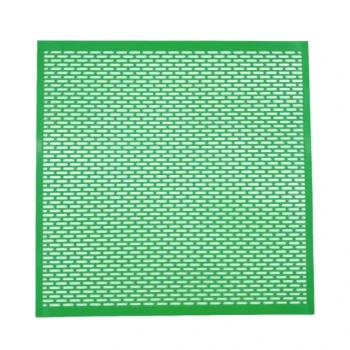
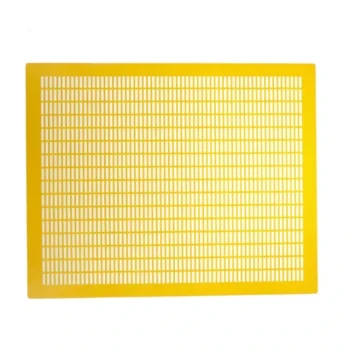
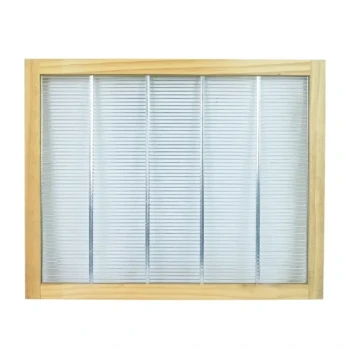
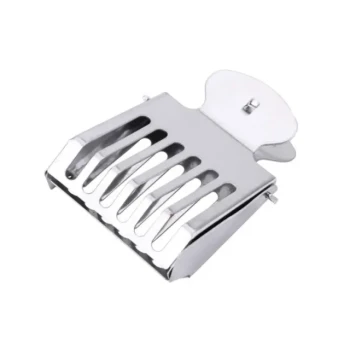
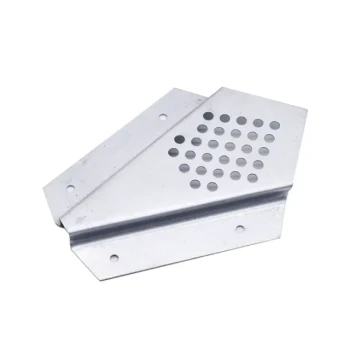
The excluder operates on a precise size differential. The gaps in the metal grid are typically manufactured between 4.1 and 4.4 millimeters.
This spacing is calculated to be just large enough for a worker bee to squeeze through, but too small for the larger thorax of a queen bee. While workers can pass through, it is not an effortless movement, creating a physical deterrent to mass migration into the upper supers.
Understanding the Trade-offs
While removing the excluder speeds up the drawing of foundation, using one is a balancing act between speed and honey quality.
Protection Against Brood Contamination
The primary purpose of the excluder is to confine the queen to the lower brood chambers.
Without an excluder, the queen may move up into the fresh comb and lay eggs. This results in the honey super containing larvae and other biological contaminants, which complicates extraction and lowers the sensory quality of the honey.
Physical Toll on the Colony
Beyond simply slowing down the work, excluders can have physical consequences for the workforce.
Some excluders, particularly those with sharp edges, can damage the wings of worker bees as they squeeze through the tight grid. This physical trauma can result in a shorter lifespan for the foraging bees, potentially impacting the colony's overall productivity over time.
Making the Right Choice for Your Goal
The decision to use an excluder depends entirely on the current state of your equipment and your immediate objective.
- If your primary focus is drawing out new foundation: Leave the queen excluder off. Allow the bees free access to the super to encourage rapid comb building, then add the excluder once the work is done (ensuring the queen is below it).
- If your primary focus is producing clean honey in drawn comb: Install the queen excluder. Once the frames are drawn, the priority shifts to keeping the honey free of brood, making the excluder an essential tool.
Summary: Remove the barrier to build the infrastructure, but restore the barrier to protect the harvest.
Summary Table:
| Factor | With Queen Excluder | Without Queen Excluder |
|---|---|---|
| Comb Building Speed | Slower (Significant bottleneck) | Faster (Unrestricted movement) |
| Bee Traffic | Restricted (4.1-4.4mm gap) | Natural, high-volume flow |
| Brood Management | Queen confined to lower box | Risk of queen laying in supers |
| Honey Quality | High (No brood contamination) | Potential for brood in honey comb |
| Bee Longevity | Potential wing wear from grid | No physical barrier stress |
Maximize Your Honey Yield with HONESTBEE Professional Equipment
Are you a commercial apiary or a distributor looking to optimize hive productivity? At HONESTBEE, we understand the delicate balance between rapid foundation building and maintaining pristine honey harvests. We provide a comprehensive wholesale range of beekeeping tools, from high-precision queen excluders and specialized hive-making machinery to professional honey-filling systems.
Whether you need industrial-grade consumables or honey-themed cultural merchandise to expand your portfolio, our team is ready to support your growth with high-quality, durable solutions.
Ready to scale your beekeeping operations? Contact us today to explore our wholesale catalog and expert solutions!
Related Products
- High Performance Plastic Queen Excluder for Beekeeping and Apiary Management
- Lightweight Durable Plastic Queen Excluder Scraper for Beekeeping
- Professional Plastic Queen Excluder for Modern Beekeeping
- Metal Queen Bee Excluder for Beekeeping
- Premium Wood Framed Metal Wire Queen Bee Excluder
People Also Ask
- What are the characteristics of a plastic queen excluder? Key Benefits for Cost-Effective Beekeeping
- What are the operational and cost advantages of using plastic queen excluders over metal or wire excluders in commercial hive management? Discover how they reduce labor, prevent wing damage, and lower total costs.
- What types of queen excluders are available for beekeepers? Choose the Right Tool for Your Hive
- Why are standardized hive frames and queen excluders essential for maintaining honey purity and quality? Scale Your Purity
- Do plastic queen excluders work? A Cost-Effective Solution for Modern Apiaries