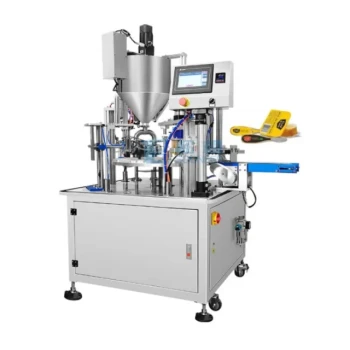
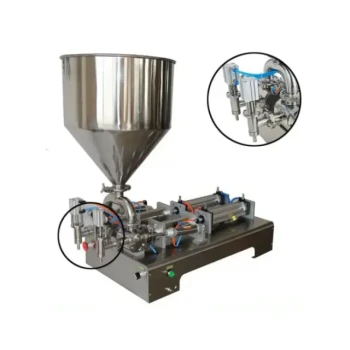
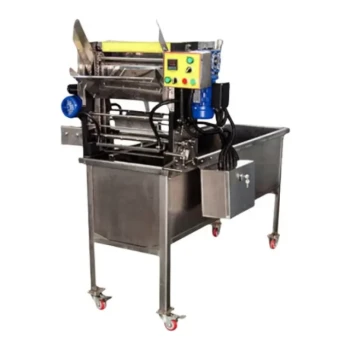
Automatic honey filling machines transform production by shifting the workflow from a variable, labor-intensive process to a precise, mechanical cycle. By implementing automation, operations achieve a significant reduction in cycle times, enhanced filling accuracy, and lower labor costs, while simultaneously enabling advanced data collection for long-term optimization.
Core Takeaway: The transition to automation is not merely about speed; it is about standardization. Automatic filling machines decouple production output from manual labor limitations, ensuring consistent quality and hygiene while generating the data necessary to scale operations efficiently.
The Mechanics of Workflow Enhancement
Compressing Cycle Times
Manual filling is inherently limited by human reaction time and physical fatigue. Automatic machines eliminate these variables, performing repetitive tasks with mechanical consistency.
By significantly reducing the cycle time required to fill each unit, the machinery increases hourly output without requiring additional staff. This allows for rapid scaling to meet seasonal demands or large orders.
Eliminating the "Stringing" Bottleneck
Honey’s high viscosity and tendency to "string" or drip is a major workflow disruptor in manual operations. It requires frequent cleaning and slows down packaging.
Automated systems utilize pneumatic or servo-driven piston technologies, often paired with temperature controls, to manage this viscosity. These systems ensure a clean cutoff after every fill, preventing drips and eliminating the need for constant cleanup.
Precision and Material Economy
Human error often leads to inconsistent fill levels, resulting in either product waste (overfilling) or regulatory non-compliance (underfilling).
Automatic machines enhance filling accuracy through high-precision metering. This ensures that the net weight of every jar is consistent, maximizing the number of units produced from a single batch of bulk honey.
Strategic Operational Benefits
Reducing Labor Dependency
Relying on manual labor for filling creates a linear relationship between cost and output: to produce more, you must pay more.
Automation breaks this link, resulting in lower labor costs per unit. Staff can be redeployed from repetitive filling tasks to higher-value roles, such as quality assurance, logistics, or machine monitoring.
Enhancing Hygiene and Brand Integrity
Manual transfer of organic honey increases the risk of secondary contamination.
Industrial-grade machines utilize closed-loop operations to maintain strict hygiene standards. This protects the product from external contaminants, ensuring consistent product quality that meets international export trade standards.
Leveraging Data for Decisions
Modern production requires visibility into performance metrics. Manual workflows are often "black boxes" where inefficiencies are hard to track.
Automatic machines offer improved capabilities for data collection and analysis. Operators can monitor real-time output rates and error margins, allowing for evidence-based decisions to further optimize the production line.
Understanding the Trade-offs
Calibration Complexity
While these machines offer precision, they require precise setup. Adjusting filling molds for different container specifications requires technical skill and downtime, unlike a human worker who can instantly switch tasks.
Maintenance Overhead
The pneumatic and servo-driven components that handle viscous honey require regular, specialized maintenance. Neglecting this can lead to equipment failure, which halts the entire workflow—a risk that does not exist with manual filling.
Making the Right Choice for Your Goal
To maximize the return on investment, align the technology with your specific operational focus:
- If your primary focus is Scalability: Prioritize machines with low cycle times and servo-driven pistons to maximize throughput and handling of viscous fluids.
- If your primary focus is Cost Reduction: Focus on the machine's ability to lower labor costs and reduce material waste through high-precision filling.
- If your primary focus is Quality Assurance: Select equipment that emphasizes closed-loop hygiene and data collection to ensure consistency and traceability.
Automation turns the art of bottling honey into a predictable, scalable science.
Summary Table:
| Feature | Manual Filling Impact | Automatic Filling Impact | Primary Benefit |
|---|---|---|---|
| Cycle Time | High (Limited by fatigue) | Low (Constant mechanical speed) | Rapid Scalability |
| Filling Accuracy | Variable (Prone to error) | High-Precision (Servo/Piston) | Reduced Material Waste |
| Viscosity Management | High 'stringing' & cleanup | Pneumatic drip-free cutoff | Clean Workflow |
| Labor Cost | Linear (More output = more staff) | Decoupled (Low cost per unit) | Operational Efficiency |
| Hygiene | Higher risk of exposure | Closed-loop system | Enhanced Brand Integrity |
Scale Your Honey Production with HONESTBEE
Transitioning to automation is the key to transforming your honey production from a labor-intensive task into a high-performance operation. At HONESTBEE, we specialize in empowering commercial apiaries and distributors with the robust machinery needed to lead the market.
Our comprehensive range of honey-filling machines and industrial beekeeping tools is designed to eliminate bottlenecks, reduce waste, and ensure your product meets the highest international standards. Whether you are looking for specialized hardware or a full spectrum of wholesale consumables, our team is ready to help you optimize your workflow.
Ready to boost your output? Contact HONESTBEE today to discover how our tailored equipment solutions can drive your business growth.
Related Products
- Automatic Honey Filling and Filtering Machine for Beekeeping Bottle Filling
- Fully Automatic Honey Filling Packaging Machine for Processing Line
- Semi Automatic Small Honey Bottle Filling Machine Honey Filler
- Automatic Single-Dose Snap & Squeeze Honey Sachets Packing Machine
- Precision Durable Efficient HONESTBEE Rotary Honey Filling Machine
People Also Ask
- What process advantages do professional honey filtering and filling machines provide? Optimize Your Organic Honey Output
- How do honey filling and filtering machines increase product value? Turn Raw Honey into Premium Export-Grade Goods
- How do honey filtration and filling machinery contribute to industrialization? Scale Your Commercial Honey Production
- What specific issues do industrial filtration and automated filling machinery address? Ensure Honey Quality & Compliance
- How does the use of professional honey filtration and filling machinery facilitate international honey exports?