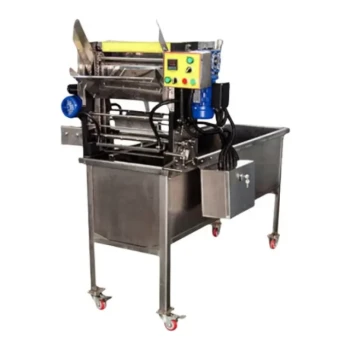
Automatic honey-filling machines secure product quality by integrating precise measurement systems with sterile sealing environments. This technology eliminates human error and contamination risks while ensuring exact dosage consistency. Crucially, it minimizes air exposure during the fill, which protects the honey's texture and stability as it moves from bulk forest sources to retail shelves.
The transition from raw forest extraction to commercial viability relies on standardization; automation bridges this gap by ensuring hygiene, preventing crystallization through air control, and delivering the precise consistency required for brand trust.
The Mechanics of Quality Assurance
Precision Dosage and Weight Control
Automated machines utilize high-precision weighing sensors and flow control systems to guarantee exact volume for every unit. This technology actively addresses the challenge of varying viscosity common in raw honey types. By standardizing the net weight, producers ensure compliance with retail regulations and prevent revenue loss from overfilling.
Hygiene and Contamination Prevention
To convert raw forest products into food-safe commercial goods, these machines often employ non-contact filling technology. This approach removes the variables associated with human handling, effectively preventing secondary contamination. The synchronization of filling and sealing in a sterile environment maintains high purity standards essential for international market competition.
Controlling Crystallization and Oxidation
A critical function of the filling machinery is minimizing air incorporation during the packaging process. Air bubbles introduced during manual filling can accelerate crystallization and increase the risk of oxidation. By controlling the flow and sealing environment, the machine preserves the honey's chemical stability and extends its shelf life.
Preserving Sensory Characteristics
Forest honey is valued for its specific botanical origins and unique flavor profiles. Automated filling provides a sealed, hygienic environment that locks in these sensory characteristics. This preservation is vital for maintaining the "differentiation" of high-value honey products against generic competitors.
Operational Considerations and Trade-offs
Viscosity Management
While modern machines are designed to handle varying thicknesses, honey viscosity changes significantly with temperature. Operators must ensure the machine’s flow control systems are calibrated correctly for the specific batch of forest honey. Failure to adjust for viscosity changes can lead to minor inconsistencies or mechanical strain.
Maintenance of Sterile Environments
The benefits of non-contact and sterile filling are only maintained through rigorous cleaning protocols. The complexity of high-precision sensors and nozzles requires a disciplined maintenance schedule. Neglecting the machinery can reintroduce the very contamination risks the equipment is designed to eliminate.
Making the Right Choice for Your Goal
To maximize the value of your honey processing line, align the machine’s capabilities with your specific commercial objectives:
- If your primary focus is Shelf Life: Prioritize machines with advanced air control features to minimize crystallization and oxidation risks.
- If your primary focus is Brand Consistency: Select equipment with high-precision weighing sensors to ensure identical fill levels and standardized appearance for retail display.
- If your primary focus is Purity: Invest in systems featuring non-contact filling technology to eliminate secondary contamination and preserve natural botanical flavors.
Automation is not just about speed; it is the fundamental tool for translating raw potential into a trustworthy, standardized commercial asset.
Summary Table:
| Quality Feature | Mechanism | Commercial Benefit |
|---|---|---|
| Dosage Precision | High-precision sensors & flow control | Compliance with retail regs & zero waste |
| Hygiene Control | Non-contact filling & sterile sealing | Prevents contamination & meets safety standards |
| Air Management | Minimized air incorporation | Reduced crystallization & extended shelf life |
| Sensory Lock | Sealed environment processing | Preservation of unique forest honey flavors |
Elevate Your Apiary Operations with HONESTBEE
Transitioning from raw forest extraction to a premium commercial brand requires the right technology. HONESTBEE specializes in supporting commercial apiaries and distributors with high-performance honey-filling machines and comprehensive beekeeping equipment.
Our machinery is engineered to preserve the purity of your honey while ensuring the consistency your brand needs to thrive. Whether you require specialized hive-making hardware or advanced filling lines, we provide the tools to scale your business.
Contact us today to explore our wholesale solutions!
References
- І. Solomakha, V. Solomakha. Field forest strips of the Middle Dnipro Area Forest- Steppe as raw areas for beekeeping. DOI: 10.33730/2077-4893.1.2023.276726
This article is also based on technical information from HonestBee Knowledge Base .
Related Products
- Fully Automatic Honey Filling Packaging Machine for Processing Line
- Automatic Honey Filling and Filtering Machine for Beekeeping Bottle Filling
- Precision Durable Efficient HONESTBEE Rotary Honey Filling Machine
- Automatic Single-Dose Snap & Squeeze Honey Sachets Packing Machine
- Semi Automatic Small Honey Bottle Filling Machine Honey Filler
People Also Ask
- Why are fully automatic honey filling and packaging lines essential? Boost Your Honey's Market Value and Quality
- What is a fully-automatic honey filler? Streamline Your Production with High-Precision Automation
- How do automated honey filling and packaging machines affect profitability? Boost Margins with HONESTBEE Technology
- How do automated honey filling and packaging machines contribute to the market value of honey products? Maximize Your ROI
- How do industrial-grade automated honey filling and packaging machines mitigate the risk of physical contamination?