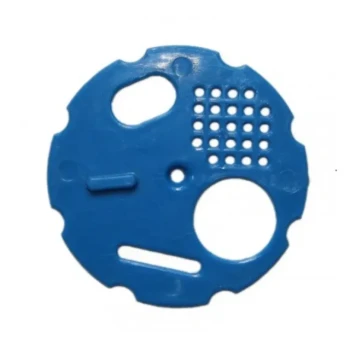
Physically narrowing the hive opening is the primary way an entrance reducer protects a colony during winter. By rotating the reducer to its smallest setting, you create a barrier that is too narrow for a mouse to squeeze through, effectively blocking them from accessing the warmth and food stores inside while still allowing bees to exit for cleansing flights.
Core Takeaway Winter causes mice to seek the heat and honey found inside a beehive, where they can destroy the comb and kill the colony. While a standard wooden reducer narrows the entrance to deter entry, a metal entrance reducer (or "mouse guard") provides the most reliable protection because determined pests cannot chew through it.
The Mechanics of Winter Protection
Why Mice Target Hives
During cold weather, mice are driven by a survival instinct to find shelter and sustenance. A beehive offers a perfect environment: it is warm due to the cluster of bees and stocked with high-calorie honey.
The Consequence of Intrusion
Once inside, mice do not merely sleep; they eat the honey stores intended for the bees' winter survival. Furthermore, they create a significant mess and destroy the wax comb, which can weaken or ultimately kill the colony.
Limiting the Aperture
The entrance reducer works by physically restricting the size of the hive's bottom opening. Using the smallest notch on the reducer generally makes the gap too tight for a rodent's skeletal structure to pass through.
Thermal Regulation
Beyond pest control, reducing the entrance limits the intake of freezing cold air. This restriction helps the colony maintain the internal temperature required to survive the winter without exhausting their energy reserves.
Understanding the Trade-offs: Material Selection
The Vulnerability of Wood
Standard entrance reducers are often made of wood. While these are effective visual deterrents, the primary reference notes that a determined mouse can chew through a wooden reducer to gain entry.
The Superiority of Metal
For maximum security, a metal entrance reducer—often called a mouse guard—is the superior choice. Metal allows for adequate ventilation and bee traffic but provides an impenetrable barrier against chewing pests.
Improvising with Natural Materials
If a manufactured reducer is unavailable, you can use natural items like small pinecones, sticks, or chestnuts to narrow the opening. However, these are less secure and harder to standardize than manufactured guards.
Balancing Ventilation
The Risk of Condensation
While reducing the lower entrance keeps mice out and heat in, it can restrict airflow. Trapped moisture from the bees' respiration is dangerous in winter.
Using Upper Entrances
To offset the reduced bottom entrance, it is beneficial to provide an upper entrance using an inner cover or spacer shim. This allows moisture to escape and maintains air circulation without compromising the mouse barrier at the bottom.
Making the Right Choice for Your Goal
To ensure your colony survives the winter intact, choose the protection method that matches your specific equipment and local pest pressure.
- If your primary focus is absolute security against pests: Install a metal mouse guard, as this is the only material guaranteed to stop a mouse from chewing its way inside.
- If your primary focus is thermal retention: Use the smallest setting on a wooden reducer or improvised natural blocks, ensuring the opening is small enough to stop drafts but open enough for emergency bee egress.
- If your primary focus is moisture management: Pair your entrance reducer with a top entrance to allow warm, moist air to escape, preventing dangerous condensation buildup.
A properly secured entrance is the first line of defense in ensuring your colony survives to see the spring bloom.
Summary Table:
| Protection Method | Material | Primary Benefit | Level of Pest Security |
|---|---|---|---|
| Wooden Reducer | Pine/Cedar | Thermal insulation and wind reduction | Moderate (Mice can chew wood) |
| Metal Mouse Guard | Steel/Galvanized | Absolute barrier against rodents | High (Impenetrable to chewing) |
| Improvised Blocks | Natural (Pinecones/Sticks) | Emergency narrowing of entrance | Low (Inconsistent and loose) |
| Upper Entrance | Wood/Plastic | Ventilation and moisture release | N/A (Focuses on airflow) |
Secure Your Apiary for Winter with HONESTBEE
Protecting your colonies from winter pests and harsh elements requires professional-grade equipment. At HONESTBEE, we cater to commercial apiaries and distributors by providing a comprehensive wholesale range of high-quality beekeeping tools and machinery. From durable metal mouse guards and hive-making hardware to advanced honey-filling machines, our portfolio ensures your operations remain efficient and your bees stay safe.
Partner with us to access the full spectrum of essential industry consumables and specialized equipment designed for large-scale success.
Contact HONESTBEE Today for Wholesale Inquiries
Related Products
- Steel Round Disc Entrance Reducer for Flexzion Bee Hive Nuc Box Gate
- Beehive Entrance Reducer Guardian Metal Hive Entrance for Bees
- Professional Hive Front Entrance Bee Feeder
- HONESTBEE Entrance Bee Feeder Efficient Hive Front Liquid Feeding Solution for Beekeeping
- HONESTBEE Entrance Bee Feeder Professional Hive Nutrition Solution for Beekeeping
People Also Ask
- What is the purpose of an entrance reducer for a beehive? Strengthen Colony Defense and Prevent Robbery
- Why are entrance reducers used to counter hornet infestations? Protect Your Hive with Strategic Choke Points
- Why is it critical to maintain a smaller entrance for a newly established bee hive? Boost Colony Growth and Security
- Under what conditions should a beekeeper adjust the size of a beehive entrance? Seasonal & Defense Management Tips
- What is the function of an entrance reducer on a beehive? Strengthen Colony Defense and Climate Control