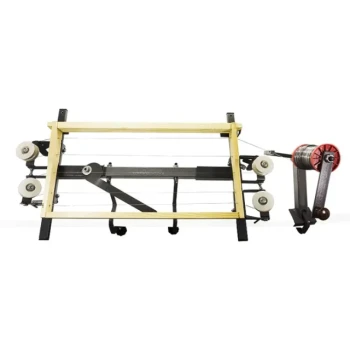
The integrated circuit control module acts as the precision "brain" of the collection device, regulating electrical output to maximize venom extraction while strictly maintaining bee safety. By locking operation into specific parameters—such as a frequency range of 30 to 80 Hz and a "2 seconds on, 3 seconds off" cycle—the module triggers the defensive stinging response without delivering the excessive voltage that leads to colony collapse.
The core function of the control module is not just stimulation, but protection. It optimizes yield by balancing the intensity required for high venom production against the physiological limits of the bees, ensuring the colony survives to produce again.
The Mechanics of Controlled Stimulation
Precise Frequency Regulation
The control module is responsible for maintaining the electrical frequency within a specific, optimal window of 30 to 80 Hz.
Frequencies outside this range may fail to provoke a stinging response or, conversely, cause unnecessary neurological damage to the bees.
By stabilizing the frequency, the module ensures consistent stimulation across the entire collection plate.
The Importance of Interval Timing
Continuous electrical stimulation is detrimental to bee health and can rapidly deplete the colony's energy.
To prevent this, the module enforces a strict operation interval: 2 seconds of power followed by 3 seconds of rest.
This intermittent cycling allows the bees a brief recovery period, preventing exhaustion while maintaining a steady rate of venom release.
Regulating Pulse Amplitude
Yield is heavily dependent on the strength of the electrical signal, known as pulse amplitude.
The integrated circuit prevents voltage spikes that could prove fatal.
It maintains the amplitude at a level that is irritating enough to induce stinging but low enough to ensure high bee survival rates.
Understanding the Trade-offs
The Balance Between Aggression and Survival
There is a direct tension between forcing a defensive response (which yields venom) and preserving the life of the insect.
Aggressive settings might yield more venom initially, but they result in colony loss due to stress and electrocution.
The control module mediates this trade-off, prioritizing a sustainable harvest over a destructive, one-time maximum yield.
Risks of Improper Calibration
Without the precision of an integrated circuit, variations in voltage or improper pulse frequencies occur naturally.
These fluctuations are the primary cause of colony mortality in manual or less advanced systems.
The module eliminates this variability, ensuring that the critical safety thresholds are never breached.
Optimizing Your Collection Strategy
To achieve the best results, your equipment must adhere to the parameters enforced by the control module.
- If your primary focus is Immediate Volume: Ensure your device is operating at the higher end of the frequency spectrum (up to 80 Hz) without exceeding voltage limits.
- If your primary focus is Colony Sustainability: Strictly adhere to the 3-second rest interval to minimize stress and prevent population decline.
Technology turns a biological defense mechanism into a sustainable resource by respecting the biological limits of the hive.
Summary Table:
| Parameter | Optimal Range | Purpose |
|---|---|---|
| Frequency | 30 to 80 Hz | Ensures consistent stimulation without neurological damage |
| Operation Cycle | 2s ON / 3s OFF | Prevents bee exhaustion and allows for recovery |
| Pulse Amplitude | Controlled Voltage | Induces stinging response while ensuring high survival rates |
| Core Goal | Sustainable Harvest | Maximizes venom extraction while preventing colony collapse |
Elevate Your Apiary Operations with HONESTBEE
Are you looking to scale your venom production while safeguarding your colonies? HONESTBEE provides professional-grade beekeeping tools and machinery tailored for commercial apiaries and global distributors. From precision-engineered venom collection modules to honey-filling machines and hive-making hardware, we supply the full spectrum of equipment needed to thrive in the modern bee industry.
Why partner with HONESTBEE?
- Precision Technology: Advanced integrated circuits designed for high-yield, sustainable harvests.
- Comprehensive Wholesale: A one-stop shop for machinery, tools, and essential industry consumables.
- Industry Expertise: Specialized solutions for commercial-scale honey and venom production.
Ready to optimize your yield and expand your portfolio? Contact us today to discuss your wholesale needs!
References
- Enas Nour-El-Deen, Ahmad Shaheen. Influence of Electric Amplitude and the Frequency Level combinations on Venom Productivity of Honey Bee Colonies in Egypt. DOI: 10.21608/ejarc.2024.340545
This article is also based on technical information from HonestBee Knowledge Base .
Related Products
- Full Set Beekeeping Electronic Bee Venom Collector Machine Device for Bee Venom Collecting
- Professional Bee Frame Wiring Tool with Integrated Tensioning System by HONESTBEE
- Steel Round Disc Entrance Reducer for Flexzion Bee Hive Nuc Box Gate
People Also Ask
- How does the glass plate integrated into a bee venom collector contribute to maintaining quality and purity?
- What is the function of specialized collection equipment in the production process of bee venom? Expert Guide
- What is the significance of using specialized bee venom collection devices in commercial beekeeping operations?
- Why are bee venom collection devices typically mounted on specialized wooden carrier boards? Maximize Yield & Purity.
- How does a dedicated bee venom collection device operate? Extract Pure Venom Safely Without Harming Your Bees