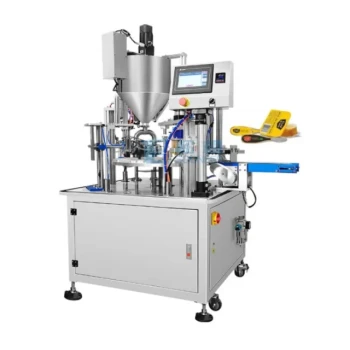
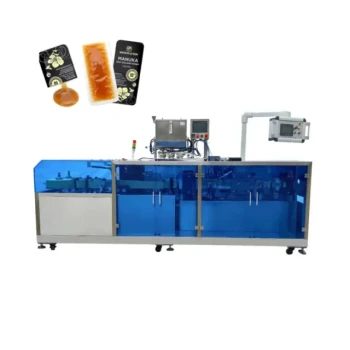
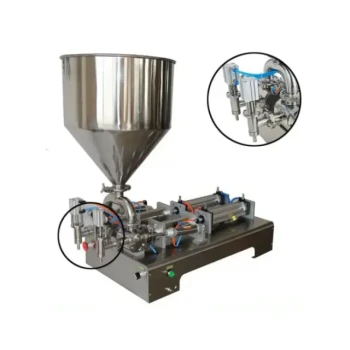
Automated filling and packaging equipment radically extends the shelf life of bee pollen by isolating the product within a closed, clean environment immediately prior to sealing. This precise mechanical isolation prevents the ingress of atmospheric moisture and oxygen, effectively neutralizing the primary causes of nutrient degradation and mold growth.
Bee pollen is highly hygroscopic and nutrient-rich, making it uniquely vulnerable to environmental spoilage; automated packaging solves this by establishing strict physical and atmospheric barriers that preserve antioxidant activity and prevent microbial contamination.
The Mechanisms of Preservation
Combatting Moisture Absorption
Bee pollen is naturally hygroscopic, meaning it aggressively absorbs moisture from the surrounding air. If left exposed during manual processing, this moisture uptake creates an ideal breeding ground for bacteria and mold.
Automated equipment mitigates this risk by executing the filling and sealing process in a controlled, sanitary environment. By minimizing the time the product is exposed to ambient humidity, the equipment ensures the pollen remains dry and stable inside the package.
Preventing Nutritional Oxidation
Oxygen is the enemy of the delicate fatty acids found in bee pollen, specifically docosadienoic acid. Exposure to air causes these components to oxidize, leading to rancidity and a significant loss of nutritional value.
Automated systems protect these nutrients by creating a hermetic seal that isolates the granules from the atmosphere. This preserves the activity of sensitive polyphenolic compounds and antioxidants, ensuring the product remains biologically active for the consumer.
Eliminating Microbial Threats
Manual handling introduces a high risk of biological contamination. Automated lines remove human contact from the critical filling stages, drastically reducing the introduction of microorganisms.
By sealing the product in a closed system, the machinery creates a physical barrier that prevents external contaminants from compromising the product’s safety profile.
The Role of Advanced Technologies
Vacuum Filling Capabilities
Advanced automated lines often utilize vacuum filling technology to actively remove air from the container before it is sealed.
This active removal of oxygen is superior to simple sealing because it eliminates the air trapped inside the jar, creating a strict oxygen barrier. This significantly slows the chemical reactions that degrade pollen quality over time.
Precision Heat Sealing
The integrity of the closure is just as important as the filling process. Industrial-grade machinery applies heat-sealing caps with consistent pressure and temperature.
This consistency ensures a uniform seal that prevents "micro-leaks," which are common in manual capping and can allow air or moisture to seep back into the container during storage.
Understanding the Trade-offs
Automation Cannot Fix Poor Materials
While automated equipment ensures a perfect seal, the packaging material itself plays a critical role. Automation is most effective when paired with high-barrier materials like glass.
Clear glass containers are recommended because they provide a superior barrier against air and moisture compared to many plastics. If the machine fills a porous or low-quality container, the shelf life benefits of automation will be compromised.
The Temperature Dependency
Automation creates a secure package, but it does not arrest biological processes triggered by heat. Even perfectly sealed bee pollen requires proper temperature control.
To maximize the shelf life gained through automation, the product must still be stored in a refrigerator or freezer. Automation protects against the atmosphere, but cold storage protects against thermal degradation.
Making the Right Choice for Your Goal
- If your primary focus is maximizing antioxidant levels: Prioritize equipment with vacuum filling capabilities to actively remove oxygen and protect fatty acids like docosadienoic acid.
- If your primary focus is long-term storage stability: Combine automated heat-sealing technology with airtight glass containers to create the most durable barrier against moisture.
High-quality sealing is the first line of defense in preserving the complex biological integrity of bee pollen.
Summary Table:
| Feature | Preservation Impact | Technical Benefit |
|---|---|---|
| Vacuum Filling | Removes trapped oxygen | Prevents fatty acid oxidation and rancidity |
| Hermetic Heat Sealing | Creates airtight barrier | Eliminates micro-leaks and moisture ingress |
| Automated Isolation | Reduces microbial load | Minimizes human contact and contamination |
| Precise Metering | Maintains stability | Reduces exposure time to ambient humidity |
Scale Your Bee Pollen Production with HONESTBEE
Preserving the delicate nutritional profile of bee pollen requires precision. HONESTBEE specializes in supporting commercial apiaries and distributors with high-performance automated machinery designed to lock in quality and extend shelf life.
From advanced honey-filling and pollen-packaging machines to a complete range of beekeeping tools and industrial consumables, we provide the hardware and expertise you need to ensure your products reach consumers in peak condition.
Ready to upgrade your facility? Contact us today for a wholesale consultation and see how our specialized equipment can enhance your brand's market value.
References
- Katarína Fatrcová-Šramková, Janka Nôžková. Bee Pollen – Nutritional and Toxicological Aspects. DOI: 10.36547/ae.2019.1.4.41-47
This article is also based on technical information from HonestBee Knowledge Base .
Related Products
- Automatic Honey Filling and Filtering Machine for Beekeeping Bottle Filling
- Automatic High-Speed Bee Hive Box Stapling Machine
- Heavy-Duty Ergonomic Grip Galvanized Pollen Shovel
- Precision Durable Efficient HONESTBEE Rotary Honey Filling Machine
- Fully Automatic Honey Filling Packaging Machine for Processing Line
People Also Ask
- What process advantages do professional honey filtering and filling machines provide? Optimize Your Organic Honey Output
- How do honey filling and filtering machines increase product value? Turn Raw Honey into Premium Export-Grade Goods
- How do honey filtration and filling machinery contribute to industrialization? Scale Your Commercial Honey Production
- What specific issues do industrial filtration and automated filling machinery address? Ensure Honey Quality & Compliance
- How does the use of professional honey filtration and filling machinery facilitate international honey exports?