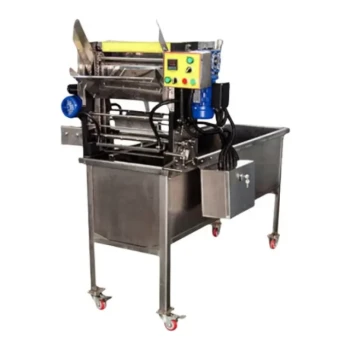
Automated honey filling machinery mitigates microbial risks by operating within enclosed sterile environments that physically isolate the product from external contaminants. By combining high-precision volumetric controls with integrated filtration systems, these machines drastically reduce the introduction of airborne molds, yeasts, and particulate impurities that cause fermentation and spoilage in the finished product.
The core value of automation is not just speed, but the creation of a closed hygiene loop. While manual filling exposes honey to environmental pathogens and moisture, automated machinery creates a defensive barrier that preserves chemical stability and prevents the secondary contamination that leads to product failure.
The Mechanics of Contamination Control
Sterile Enclosure and Isolation
The primary defense mechanism of this machinery is the utilization of enclosed sterile operating environments. Unlike manual processing, where open jars are exposed to ambient air and human contact, automated lines shield the honey within a controlled system.
This physical barrier significantly reduces the probability of airborne molds and yeasts settling into the product. It eliminates the variables introduced by human handling, which is a common vector for secondary contamination.
Precision Volumetric Control
High-precision volumetric controls are essential for maintaining hygiene standards. By dispensing the exact net weight into every container, the machinery prevents overfilling, spills, and drips.
Eliminating sticky residue on the exterior of bottles or the conveyor belt is critical. It removes the sugar-rich environment where bacteria and pests thrive, keeping the overall processing zone sanitary.
Integration with Filtration Systems
Automated filling is most effective when it serves as the final step in a larger purification process. These machines are designed to work in tandem with modern filtration and impurity removal systems.
This integration ensures that physical impurities, which often harbor yeast spores, are removed before the honey enters the sterile filling chamber. The result is a product that is not only visually clear but microbiologically stable.
Preventing Spoilage Through Environmental Regulation
Hermetic Sealing Technology
Honey is hygroscopic, meaning it naturally absorbs moisture from the air, which can dilute the sugars and trigger fermentation. Automated machinery utilizes specialized sealing packaging processes to apply hermetic seals immediately after filling.
This rapid, airtight closure locks out humidity and environmental pollutants. It effectively pauses the biological clock of the honey, preventing the activation of dormant yeasts.
Temperature and Viscosity Management
Industrial-grade machines utilize temperature-regulated designs to manage the high viscosity of honey without overheating it. This ensures a consistent flow rate while preserving the honey's natural enzymes and sensory characteristics.
By maintaining optimal flow, the machinery prevents stagnation in the supply lines. This continuous movement ensures that honey does not sit in the system long enough to become a breeding ground for microbes.
Understanding the Trade-offs
The Risk of Centralized Contamination
While automation reduces random human error, it centralizes hygiene risk. If the internal components of the filling machine are not properly sanitized, the machine itself can become a vector for contamination.
In this scenario, rather than ruining a single jar, a dirty machine will contaminate the entire production run. Operators must adhere to rigorous Clean-in-Place (CIP) protocols to ensure the hardware remains a defense rather than a liability.
Complexity and Capital Requirements
Transitioning to automated hygiene control requires a significant technical and financial foundation. These machines are complex to calibrate and require specialized knowledge to maintain precise metering and sealing standards.
For very small, artisanal batches that require frequent changes in bottle size or honey type, the setup time and cleaning requirements of industrial machinery may outweigh the hygiene benefits compared to careful manual handling.
Making the Right Choice for Your Goal
To select the right equipment for your processing line, consider your primary objective:
- If your primary focus is extending shelf life: Prioritize machinery with advanced hermetic sealing and moisture control to prevent fermentation.
- If your primary focus is regulatory compliance: Look for systems with fully enclosed sterile operating environments to meet rigorous food safety and supermarket supply chain standards.
Automated filling machinery transforms honey processing from a simple packaging task into a rigorous scientific process, ensuring every bottle meets the highest standards of safety and stability.
Summary Table:
| Contamination Control Feature | Technical Mechanism | Primary Benefit |
|---|---|---|
| Sterile Enclosures | Physical isolation from ambient air | Eliminates airborne molds, yeasts, and human-borne pathogens |
| Precision Volumetric Control | High-accuracy dispensing (net weight) | Prevents spills and sticky residues that attract bacterial growth |
| Integrated Filtration | Pre-filling impurity removal | Removes physical particles that harbor dormant yeast spores |
| Hermetic Sealing | Rapid, airtight closure technology | Blocks moisture absorption to prevent fermentation and spoilage |
| Temperature Management | Regulated flow and viscosity | Prevents product stagnation and preserves natural honey enzymes |
Elevate Your Honey Quality with HONESTBEE Professional Solutions
For commercial apiaries and distributors, maintaining product purity is the foundation of brand trust. HONESTBEE provides the industry-leading tools you need to transition from manual risk to automated precision.
We offer a comprehensive wholesale portfolio, including:
- Advanced Honey-Filling Machinery: Integrated with sterile enclosures and hermetic sealing to eliminate microbial risks.
- Industrial Equipment: Hive-making machines, specialized hardware, and essential beekeeping tools.
- Consumables & Merchandise: A wide array of industry essentials and honey-themed cultural goods.
Partner with HONESTBEE to streamline your production line, ensure regulatory compliance, and extend your honey's shelf life. Contact us today to discuss your wholesale requirements and let our experts design your high-hygiene processing loop.
References
- Nesrine Feknous, Mahieddine Boumendjel. Natural bioactive compounds of honey and their antimicrobial activity. DOI: 10.17221/247/2021-cjfs
This article is also based on technical information from HonestBee Knowledge Base .
Related Products
- Fully Automatic Honey Filling Packaging Machine for Processing Line
- Automatic Honey Filling and Filtering Machine for Beekeeping Bottle Filling
- Precision Durable Efficient HONESTBEE Rotary Honey Filling Machine
- Precision Automated Packaging Turntable Honey Spoon Filling Sealing Packing Machine
- Semi Automatic Small Honey Bottle Filling Machine Honey Filler
People Also Ask
- Why are fully automatic honey filling and packaging lines essential? Boost Your Honey's Market Value and Quality
- What is a fully-automatic honey filler? Streamline Your Production with High-Precision Automation
- How do automated honey filling and packaging machines affect profitability? Boost Margins with HONESTBEE Technology
- How do automated honey filling and packaging machines contribute to the market value of honey products? Maximize Your ROI
- How do industrial-grade automated honey filling and packaging machines mitigate the risk of physical contamination?