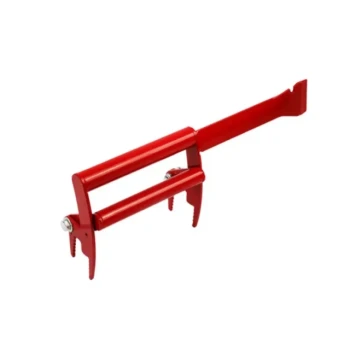
Heavy propolis use makes routine hive handling a mechanical challenge. Races such as Caucasian bees can apply substantial propolis to entrances, frame rests, box joints, and internal comb structures, effectively bonding hive components together. Apiaries managing these colonies should select high-leverage, durable hive tools and robust frame materials, while scheduling regular cleaning and inspection to keep equipment serviceable.
High-propolis colonies require a management system built around controlled leverage, durable equipment, correct spacing, and routine maintenance. The goal is to break propolis seals efficiently without cracking frames, gouging boxes, or creating excessive vibration that disturbs the colony.
Why Propolis Changes Hive Management
Frames Become Mechanically Bonded
Propolis is a resinous sealant that bees use to close unwanted gaps, reinforce structures, and coat interior surfaces. When it accumulates around frame shoulders, rests, and box joints, it can make frames feel welded into place.
The result is greater labor during inspections, harvesting, colony division, and equipment rotation. A standard lightweight hive tool may bend, slip, or provide insufficient leverage.
Hive Boxes Require Controlled Separation
Heavy propolis can bind supers and hive bodies together, particularly around mating surfaces and corners. Separating them requires steady, progressive force rather than sudden impacts.
Controlled leverage reduces the risk of splitting wooden components and limits sharp snaps or vibrations that may alarm the colony. It also gives the beekeeper better control when working around bees.
Frame Spacing Becomes More Important
Bees tend to fill narrow internal gaps with propolis and larger unintended spaces with wax comb. Maintaining consistent frame spacing and properly seated equipment helps limit irregular buildup and reduces the chance that frames become excessively fused together.
Frame rests, box dimensions, and replacement components should therefore be compatible with the apiary’s existing equipment standard. Small dimensional inconsistencies can create additional areas for propolis accumulation.
Selecting Tools for High-Propolis Colonies
Choose High-Leverage Hive Tools
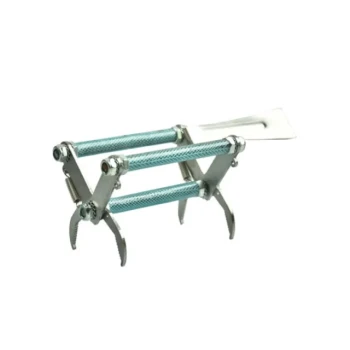
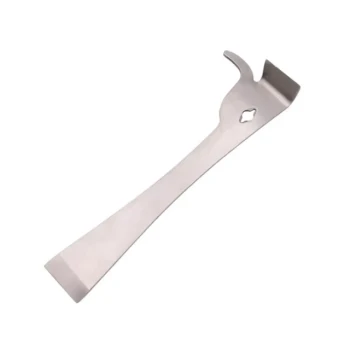
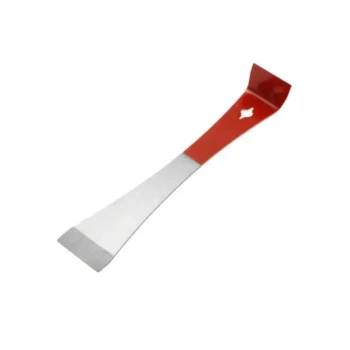
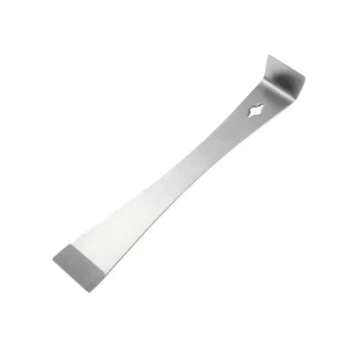
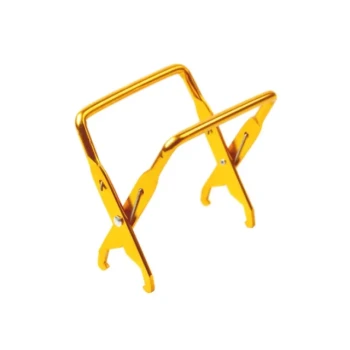
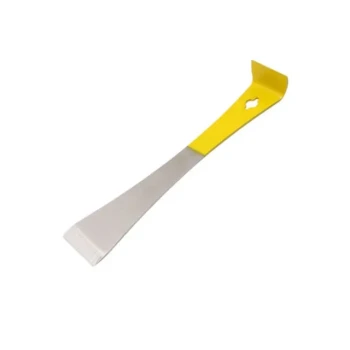
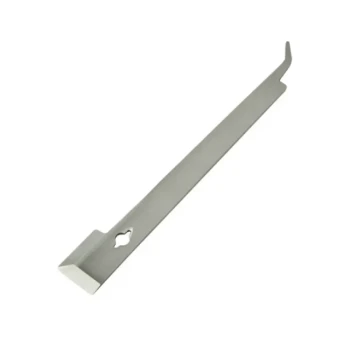
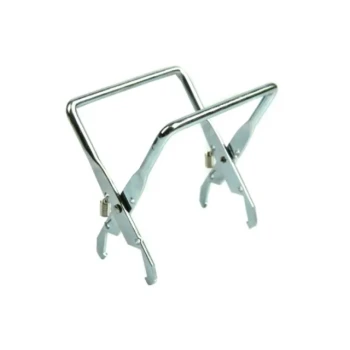
High-propolis operations generally benefit from robust stainless steel hive tools with a broad, rigid prying edge. The tool should be strong enough to separate box components and frame ends without bending under repeated use.
A frame scraper or integrated scraping edge is valuable for removing resin from frame rests, ledges, and contact surfaces before it hardens into a thicker seal.
Prioritize Durability and Easy Cleaning
Tools used around heavy propolis should tolerate repeated scraping, prying, and cleaning. Stainless steel is practical because it resists corrosion and can be cleaned more easily than porous or fragile materials.
For commercial users, tool consistency matters as much as individual tool strength. Standardized tools simplify staff training, replacement purchasing, and field servicing across multiple apiaries.
Match Frame Materials to the Workload
Frames must withstand repeated separation and prying without cracking at the end bars, top bars, or joints. Durable wooden frames with sound construction, or appropriately specified reinforced alternatives, are better suited to colonies that heavily seal equipment.
The frame material should also remain compatible with the beekeeper’s foundation, hive dimensions, and repair process. A stronger tool cannot compensate for weak or poorly fitted frames.
Use Separate Tools for Scraping and Prying
A single tool can perform several functions, but high-volume operations may be more efficient with dedicated tools. A rigid pry tool can handle box separation, while a scraper can remove propolis from frame rests and other narrow surfaces.
This division reduces unnecessary wear and makes it easier to keep a clean, sharp working edge available for inspections.
Maintenance Practices That Reduce Downtime
Clean Contact Surfaces Regularly
Propolis buildup should be removed from frame rests, box rims, entrance components, and other mating surfaces during scheduled maintenance. Allowing layers to accumulate increases separation force and can distort equipment alignment.
Maintenance intervals should reflect colony behavior, season, apiary scale, and inspection frequency rather than relying on a single universal schedule.
Work With Temperature in Mind
Propolis becomes softer and stickier in warmer conditions and harder and more brittle when cooler. This affects both tool performance and the amount of force needed to separate equipment.
Beekeepers should account for these conditions when planning inspections, cleaning tools, and handling frames. The appropriate technique may change between warm fieldwork and cool-weather equipment servicing.
Inspect Frames After Difficult Separations
After breaking a heavy seal, inspect frame joints, end bars, top bars, and foundation attachment points. Early detection of cracks or loosened joints prevents failures during later lifting or transport.
Damaged frames should be repaired or removed from service before they become a source of comb collapse, handling delays, or colony disruption.
Secure Hives With Proper Hardware
Propolis can help hold hive components together during transport, but it should not be treated as a transportation fastening system. Hive straps, fasteners, and other purpose-designed securing equipment provide predictable protection against movement.
This distinction is especially important for migratory operations, where vibration and road movement can expose weaknesses in improvised connections.
Using Propolis as a Managed Resource
Install Collection Mats or Traps
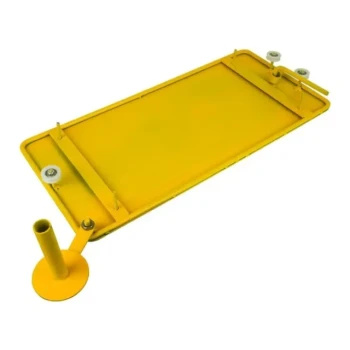
High-propolis colonies may provide an opportunity to collect propolis commercially. Specialized mats or trap grids create narrow spaces that bees tend to fill, allowing collection without repeatedly scraping valuable resin from wooden frames.
Collection systems should be compatible with the hive design and managed without compromising ventilation, colony access, or normal inspection routines.
Balance Harvesting With Colony Needs
Propolis supports hive sealing, structural reinforcement, and interior sanitation. Collection should therefore be managed as a secondary activity rather than removing material indiscriminately from essential hive surfaces.
The commercial value of recovered propolis must be weighed against the colony’s need to maintain functional seals and a stable hive environment.
Understanding the Trade-offs
Heavy-Duty Tools Increase Weight and Cost
Stronger tools generally weigh more and may cost more than lightweight alternatives. In large apiaries, these differences affect worker fatigue, transport loads, and replacement budgets.
The appropriate choice is not the heaviest tool available. It is a tool with sufficient rigidity, leverage, corrosion resistance, and cleaning practicality for the colony type and work volume.
More Leverage Can Damage Equipment
A high-leverage tool can separate tightly bonded components, but excessive or poorly directed force can gouge hive bodies, split frame wood, or damage frame rests. Tool strength must be paired with controlled technique.
Training should emphasize gradual pressure, correct insertion points, and support of the component being separated.
Propolis Reduction Can Conflict With Harvesting
Frequent scraping keeps equipment operational but may reduce the amount of propolis available for collection. Conversely, collection mats can preserve equipment surfaces while creating an additional handling and processing requirement.
Commercial operators should decide whether the priority is faster hive maintenance, propolis recovery, or a balanced program that supports both.
Incorrect Gaps Create Additional Work
Improper frame spacing or poorly matched hive components can encourage bees to fill unwanted gaps with propolis or wax. This increases cleaning time and can make frame removal less predictable.
Equipment standardization across suppliers and apiary locations is therefore a practical cost-control measure, not merely a design preference.
Making the Right Choice for Your Goal
High-propolis colonies are easiest to manage when tools, frames, spacing, maintenance, and supply support are treated as one operating system.
- If your primary focus is inspection efficiency: Choose rigid, high-leverage stainless steel hive tools with scraping capability and maintain frame rests and box rims on a regular schedule.
- If your primary focus is equipment longevity: Use durable, well-constructed frames and apply controlled force to prevent cracking, gouging, and loosened joints.
- If your primary focus is large-scale apiary operations: Standardize tool and frame specifications across locations, maintain replacement stock, and work with suppliers that can provide rapid response and consolidated fulfillment.
- If your primary focus is propolis commercialization: Add compatible collection mats or trap grids while preserving the colony’s essential seals and maintaining adequate hive ventilation.
- If your primary focus is migratory beekeeping: Use dedicated hive straps and fasteners for transport instead of relying on propolis to hold boxes together.
With the right equipment specification and maintenance discipline, high-propolis colonies become a manageable operational difference rather than a recurring source of damage and downtime.
Summary Table:
| Impact Aspect | Description | Recommended Approach |
|---|---|---|
| Frame Bonding | Frames become mechanically sealed by propolis, making removal difficult. | Use high-leverage tools and inspect frames after separation. |
| Box Separation | Hive bodies bind together, requiring controlled force. | Apply gradual pressure with robust hive tools to avoid damage. |
| Frame Spacing | Irregular gaps encourage propolis buildup. | Maintain consistent spacing and standardize equipment. |
| Tool Selection | Lightweight tools may bend or slip. | Choose durable stainless steel with scraping edges. |
| Maintenance | Propolis accumulates on contact surfaces. | Clean regularly and adapt to temperature conditions. |
Ready to streamline your beekeeping operations? At HONESTBEE, we supply durable hive tools, robust frames, and commercial-grade equipment tailored for high-propolis colonies. Our wholesale solutions support commercial apiaries and distributors with fast delivery and dedicated service. Contact us today to discuss your requirements and get a customized quote — Get in Touch!
Related Products
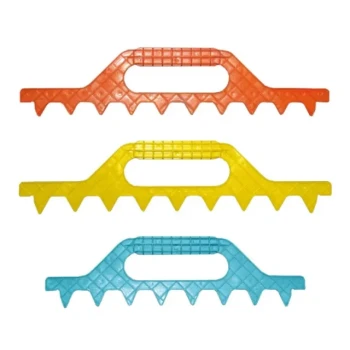
- Ergonomic Plastic Frame Spacer Tool for Rapid Hive Management Beekeeping
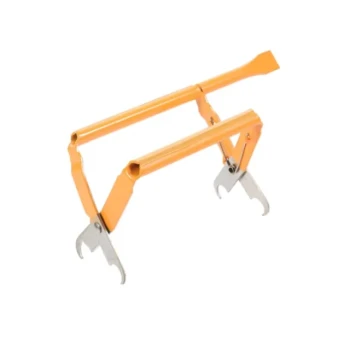
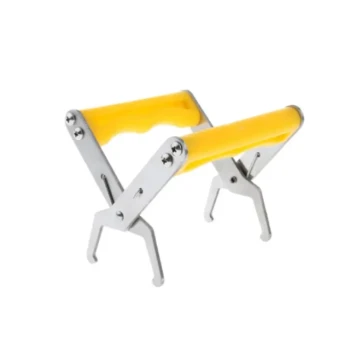
- Multi-Function Frame Grip with Integrated Hive Tool
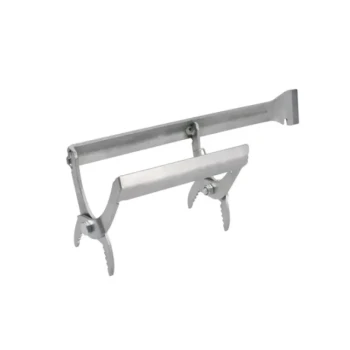
- Multi-Function Plier-Style Frame Grip Hive Tool
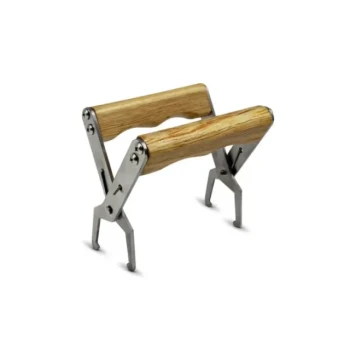
- Premium Frame Grip with Ergonomic Wood Handles
- Professional 3-Bar Frame Grip with Integrated Hive Tool
People Also Ask
- What specific challenges do beekeeping hive tools address during hive maintenance? Essential Solutions for Apiaries
- How do specialized beehive management tools assist in the routine maintenance of bee colonies? Boost Hive Efficiency
- How do specialized beehive management tools support high-purity honey production? Master Monofloral Isolation
- What are the approximate costs of basic beekeeping tools? Start Your Apiary for Under $85
- What additional equipment might be useful for beekeeping? Boost Hive Health & Efficiency